

Άρθρο: A Guide to the Best Rug Size for Your Space
A Guide to the Best Rug Size for Your Space
Selecting the right rug size is one of the most important decisions in interior planning. While color and texture influence style, dimensions determine balance, proportion, and functionality. A rug that is too small can make a room feel disconnected. A rug that is too large may overwhelm the layout or cover important flooring details. covering living rooms, bedrooms, dining areas, and smaller spaces. It standard rug sizes, placement principles, and layout techniques to help you make an informed choice.
Why Rug Size Matters in Interior Design
A rug acts as a visual anchor. It defines seating zones, frames furniture, and adds warmth underfoot. Correct sizing ensures:
-
Furniture placement looks intentional
-
Traffic flow remains comfortable
-
The room feels proportionate
-
Flooring and décor elements complement each other
Improper sizing is a common mistake. In many homes, rugs are chosen based solely on available stock rather than room measurements. Measuring first prevents costly adjustments later.

Standard Rug Sizes and What They Suit
Before focusing on specific rooms, it helps to understand common rug dimensions.
4’ x 6’ and 5’ x 8’
These sizes work well for:
-
Small seating areas
-
Home offices
-
Compact bedrooms
-
Under coffee tables (with limited furniture overlap)
They are suitable when the goal is to add texture without covering a large portion of the floor.
8’ x 10’
One of the most popular sizes, this works in:
-
Medium living rooms
-
Standard dining areas
-
Queen-sized bedrooms
An 8’ x 10’ rug allows front legs of sofas and chairs to rest comfortably on the rug, creating a unified seating arrangement.
9’ x 12’ and Larger
Ideal for:
-
Large living rooms
-
Open-plan layouts
-
King-sized bedrooms
These sizes create a strong visual base and can hold all major furniture pieces within a defined zone.
Choosing the Right Rug Size for the Living Room
The living room often requires the most careful planning.
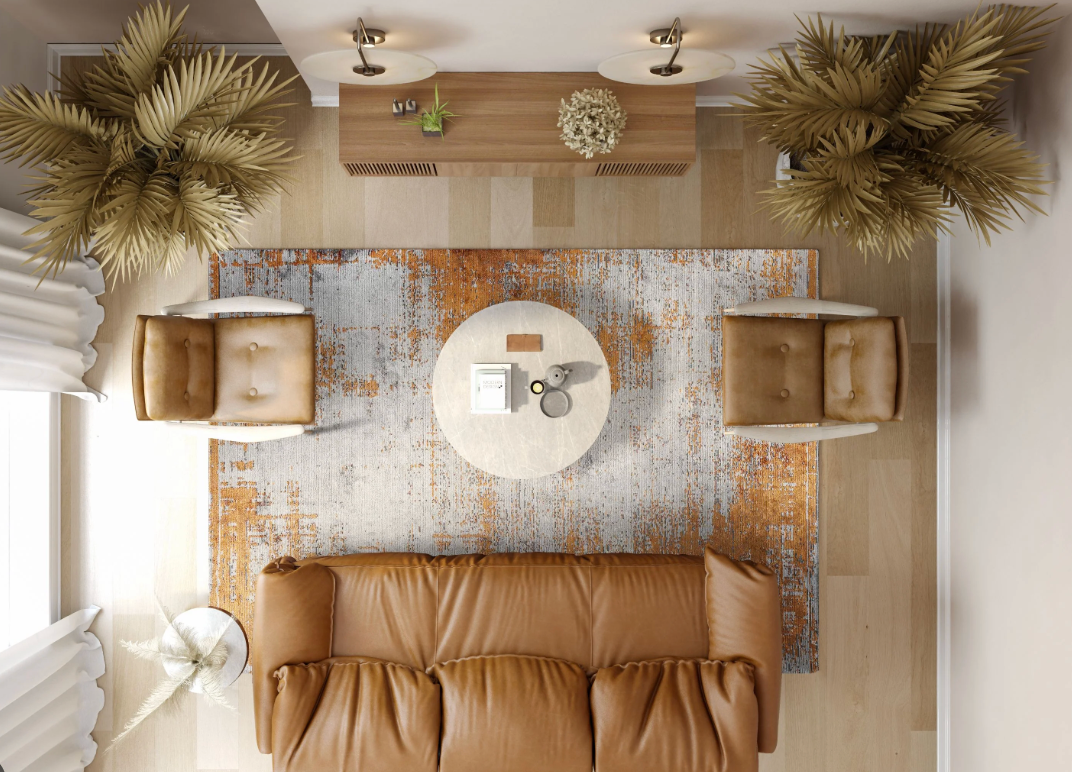
All Legs on the Rug
In larger spaces, place all seating furniture entirely on the rug. This approach works well with 9’ x 12’ rugs and above. It creates a complete and cohesive seating area.
Front Legs on the Rug
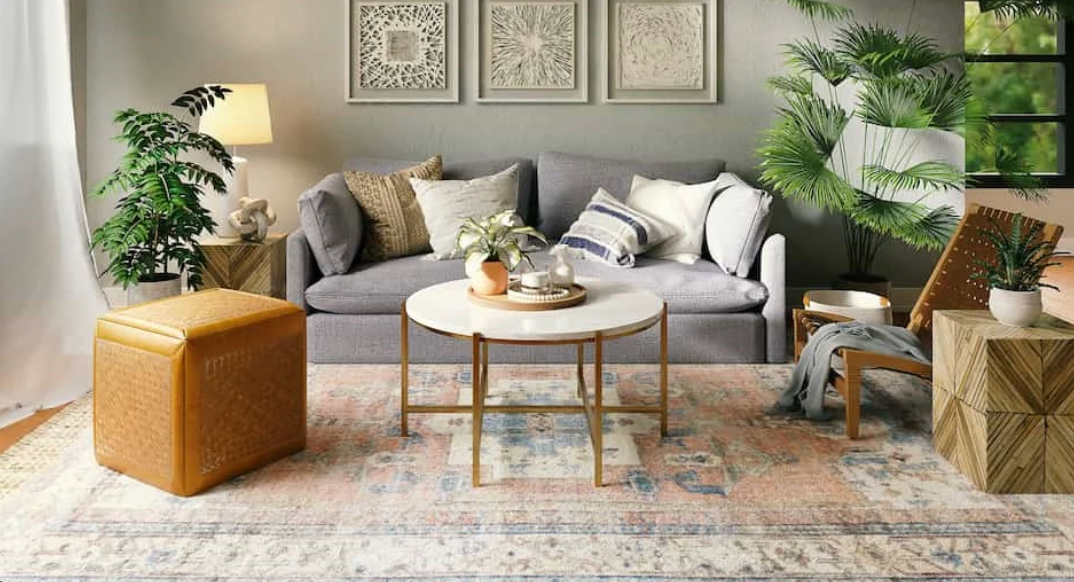
For medium rooms, placing only the front legs of sofas and chairs on the rug maintains openness while still connecting the layout. An 8’ x 10’ rug typically supports this arrangement.
Floating Rug Under Coffee Table
Smaller rugs placed only beneath a coffee table tend to look undersized unless the room is compact. Ensure the rug extends beyond the table edges by at least 6 to 12 inches.
A key principle in A guide to the Best Rug Size for Your Space is proportion. The rug should relate to the furniture grouping, not just the room dimensions.
Selecting Rug Size for the Bedroom
Bedroom rugs add comfort and visual softness.
Queen Bed Layout
For queen beds:
-
8’ x 10’ rugs allow side and foot exposure
-
The rug should extend at least 18–24 inches beyond each side
This ensures that when stepping out of bed, feet land on the rug rather than cold flooring.
King Bed Layout
For king beds:
-
9’ x 12’ rugs are typically recommended
-
The rug should extend beyond nightstands if placed fully under the bed
Alternative Placement
In smaller bedrooms:
-
Use runners on each side
-
Place a 5’ x 8’ rug at the foot of the bed
These alternatives work when full-size rugs are impractical.
Dining Room Rug Size Guidelines
Dining areas require additional space to accommodate chair movement.
Allow Room for Chairs
The rug should extend at least 24 inches beyond all sides of the dining table. This ensures chairs remain on the rug when pulled out.
For example:
-
A 6-seat rectangular table often pairs with an 8’ x 10’ rug
-
Larger tables may require 9’ x 12’ or bigger
Shape Considerations
Match rug shape to table shape:
-
Rectangular table → Rectangular rug
-
Round table → Round rug
This alignment maintains visual symmetry and spatial balance.
Rugs for Small Spaces and Entryways
Compact spaces require precise measurement.
Entryway Rugs
Choose a rug that:
-
Leaves several inches of flooring visible on all sides
-
Does not interfere with door clearance
Hallway Runners
Runners should:
-
Leave equal spacing on both sides
-
Avoid touching walls
-
Extend most of the hallway length without fully covering it
Correct sizing in smaller areas enhances proportion without crowding.
How to Measure Your Space Correctly
Accurate measurement prevents sizing errors.
-
Measure the full room length and width
-
Outline furniture placement using painter’s tape
-
Leave 6–12 inches of visible flooring around the perimeter in living areas
-
Consider door swings and traffic flow
Testing the layout with tape provides a clear visual reference before purchase.
Common Rug Size Mistakes to Avoid
Even carefully designed rooms can suffer from sizing errors. Avoid:
-
Choosing rugs that are too small for the seating area
-
Ignoring chair movement space in dining rooms
-
Placing rugs without measuring furniture footprint
-
Allowing rugs to sit unevenly under furniture
Consistency and proportion remain central to A guide to the best rug size for your space.
Final Considerations Before Buying
When finalizing a rug size, evaluate
-
Room scale
-
Furniture dimensions
-
Desired layout style
-
Traffic patterns
Neutral rugs may visually expand a room, while darker rugs can define boundaries more strongly. Always confirm dimensions in feet and inches before placing an order.
Conclusion
Choosing the right rug size requires planning, measurement, and an understanding of layout proportions. By focusing on furniture placement, room function, and standard dimensions, you can create a balanced and practical interior.
Following a guide to the best rug size for your space ensures that your rug enhances comfort, defines structure, and supports a well-organized room layout.