

Άρθρο: Dining Room Wall Decor: How to Match Your Art & Rug
Dining Room Wall Decor: How to Match Your Art & Rug
Creating a well-designed dining room requires more than selecting a table and chairs. Wall décor and rugs play a significant role in defining the mood, balance, and visual flow of the space. When these elements work together, they help the dining room feel intentional and comfortable rather than mismatched. This guide on Dining Room Wall Décor: How to Match Your Art & Rug explains practical ways to coordinate these features for a polished and cohesive interior.
Why Coordination Between Wall Art and Rugs Matters
The dining room is often a shared space for meals, conversations, and gatherings. Because of this, visual harmony is important. Wall art usually sits at eye level and draws immediate attention, while a rug anchors the furniture and sets the foundation for the room’s color palette. When these two elements complement each other, they create continuity and balance.
Poor coordination, on the other hand, can make the room feel cluttered or unfinished. Choosing art and rugs independently without considering color, style, and scale may result in competing focal points. Thoughtful matching helps unify the space and enhances the overall dining experience.
Start With a Clear Color Palette
Use the Rug as the Base
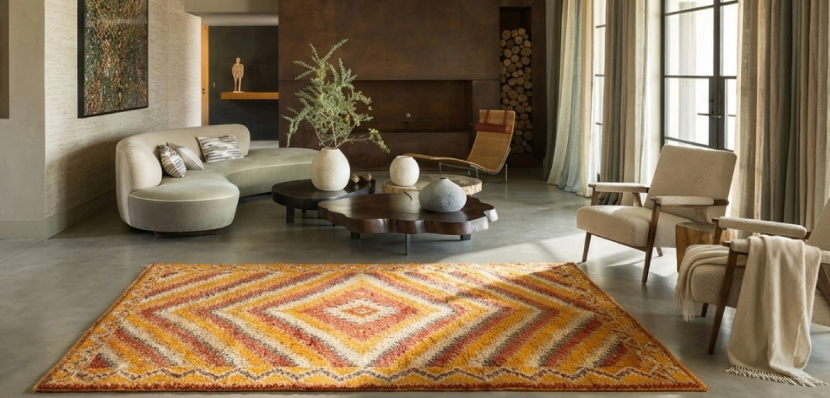
In most dining rooms, the rug covers a large area and naturally becomes a visual anchor. For this reason, it is often best to select the rug first. Once the rug is chosen, its colors can guide decisions about wall décor.
Look for one or two dominant colors in the rug and repeat them in the artwork. This does not mean the art must match exactly, but similar tones help establish visual consistency.
Balance Warm and Cool Tones
If the rug features warm shades such as beige, rust, or soft brown, artwork with warm undertones will feel more connected. Similarly, rugs with cool tones like gray, blue, or muted green pair well with art that carries the same temperature. Mixing warm and cool elements can work, but it requires careful balance to avoid contrast that feels unplanned.
Match Styles for a Unified Look
Traditional, Modern, or Eclectic
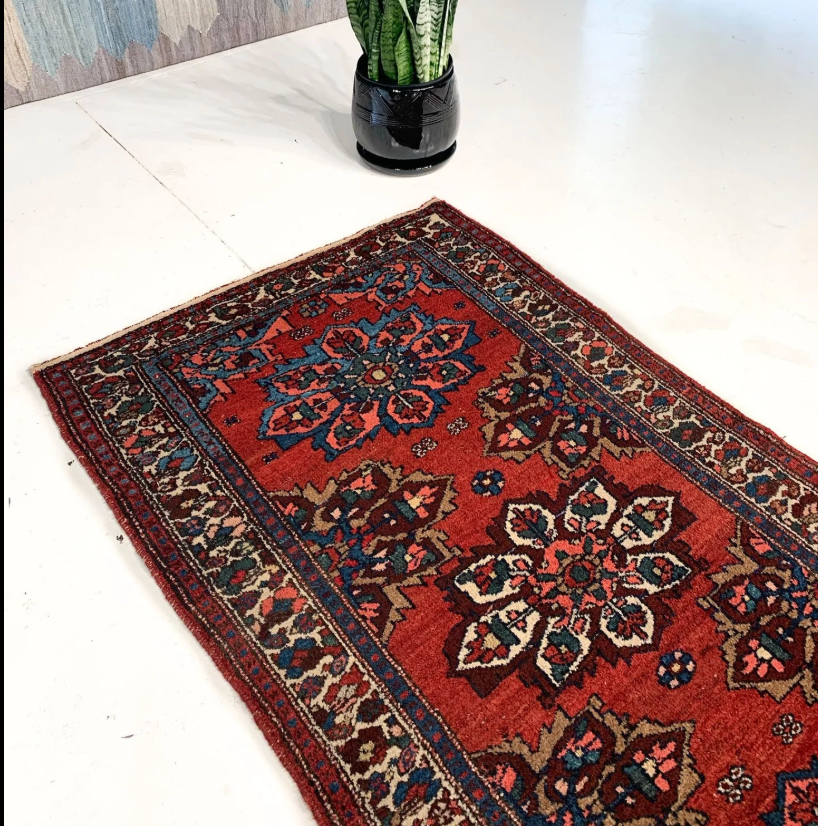
The style of your rug should align with the theme of your wall décor. A traditional rug with ornate patterns pairs well with classic paintings, framed prints, or symmetrical arrangements. Modern rugs with clean lines and subtle patterns suit abstract or minimalist art.
For eclectic dining rooms, the key is consistency rather than sameness. Even if the art and rug differ in pattern, they should share a common element such as color, texture, or mood.
Consider Texture and Material
Texture is often overlooked but plays an important role in coordination. A flatwoven rug with a simple design may benefit from textured wall art, such as canvas prints or mixed-media pieces. Conversely, a richly textured rug can be balanced with simpler, smoother artwork to avoid overwhelming the space.
Pay Attention to Scale and Proportion
Artwork Size Matters
Wall art should be proportional to both the wall and the rug beneath it. Large rugs usually work best with medium to large artwork, especially on main dining room walls. Small art pieces can feel lost above a bold rug unless they are grouped thoughtfully.
Rug Size and Furniture Placement
The rug should extend beyond the dining table and chairs to frame the seating area. When the rug is correctly sized, the wall art above it appears more intentional. A rug that is too small may disrupt the visual balance, making it harder to coordinate décor elements effectively.
Coordinate Patterns Without Overcrowding
Mix Patterns Carefully
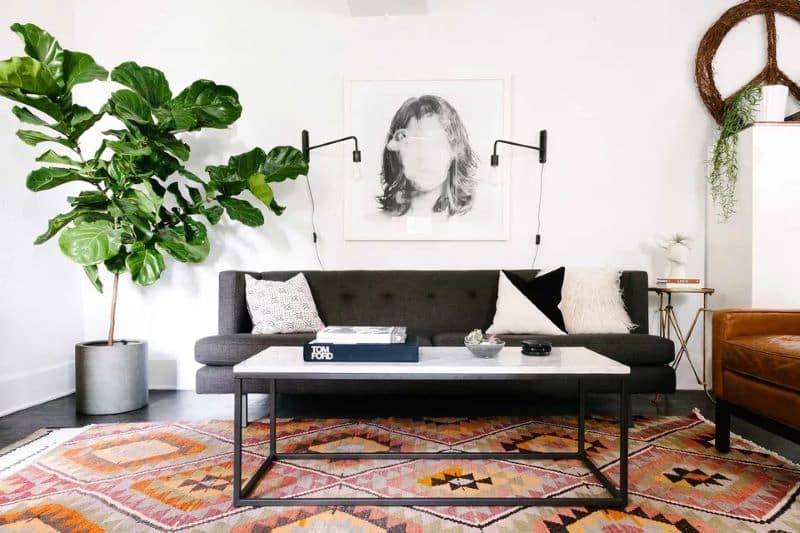
If your rug has a strong pattern, wall art should be simpler in design. This prevents visual overload and keeps the dining room comfortable to look at during meals. On the other hand, a plain or lightly textured rug allows for more detailed or expressive artwork.
Use Repetition for Balance
Repeating a shape or motif can help connect the rug and art. For example, geometric patterns in a rug can be echoed subtly in abstract artwork. Floral rugs may pair well with botanical prints or nature-inspired art.
Placement and Spacing Considerations
Correct Art Height
Wall art in a dining room should generally be hung at eye level. When art is placed too high or too low, it disrupts the connection between the wall and the rug. Proper placement helps the eye move naturally through the space.
Create Visual Flow
If the dining room opens into another area, ensure the rug and wall décor do not clash with nearby elements. Continuity between spaces improves the overall interior design and makes the dining room feel well-integrated.
Lighting and Its Effect on Décor
Lighting influences how both rugs and artwork are perceived. Natural and artificial light can change colors and textures. Before finalizing your choices, observe how light falls on the rug and wall art throughout the day. Well-lit artwork enhances the rug’s presence, while softer lighting can create a relaxed dining atmosphere.
Final Thoughts
Matching wall décor and rugs is an essential part of dining room design. By focusing on color harmony, style consistency, proper scale, and thoughtful placement, you can create a dining area that feels cohesive and inviting. This approach to Dining Room Wall Décor: How to Match Your Art & Rug ensures that each element supports the other, resulting in a space that is visually balanced and practical for everyday use.