

Άρθρο: A Designer's Guide to Rug Scale and Layering
A Designer's Guide to Rug Scale and Layering
Rugs play an important role in interior design by adding warmth, texture, colour and structure to a room. Beyond their decorative appeal, they help define seating areas, create visual balance and connect different elements of a space. Choosing the right rug size and understanding how to layer rugs can transform an ordinary room into a thoughtfully designed interior.
Following A Designer's Guide to Rug Scale and Layering can help homeowners make confident decorating decisions, whether furnishing a spacious living room, a compact bedroom or an open-plan interior. Understanding proportions, materials, patterns and placement is essential to achieving a cohesive look without making the room feel overcrowded.
Why Rug Scale Matters in Interior Design
Rug scale refers to the size of a rug in relation to the furniture, room dimensions and surrounding décor. A rug that is too small can make a room feel disconnected, while an oversized rug may overwhelm the available space.
The correct rug size creates visual continuity and helps furniture appear properly arranged. In living rooms, rugs can bring sofas, chairs and coffee tables together into a unified seating area. In bedrooms, they provide a comfortable surface underfoot and frame the bed.
Choosing the Right Rug Size for Your Room
When selecting a rug, consider the room's dimensions and furniture arrangement rather than choosing based on the rug's appearance alone.
-
Living rooms: Choose a rug large enough to accommodate the front legs of sofas and chairs. For a more connected arrangement, all seating furniture can sit entirely on the rug.
-
Bedrooms: A large rug extending beyond the sides and foot of the bed creates a balanced appearance and provides a soft surface when getting out of bed.
-
Dining rooms: Select a rug that extends beyond the dining table and chairs so the chairs remain on the rug when pulled out.
-
Entryways: Runner rugs can help guide movement through narrow spaces while adding colour and texture.
Measuring your furniture arrangement before purchasing a rug can help prevent common sizing mistakes.

Understanding Patterns, Colours and Proportions
Rug patterns influence how a room feels. Large-scale patterns can create a strong visual statement, while smaller motifs often introduce subtle detail.
In spacious rooms, large geometric designs, floral patterns or bold traditional motifs can work well because they remain visible without appearing crowded. Smaller rooms may benefit from simpler patterns or softer colour combinations that maintain visual openness.
Balancing Rug Patterns with Furniture
When working with patterned furniture, curtains or wallpaper, consider how the rug complements the existing design.
For example, a patterned sofa can be paired with a rug featuring subtle texture or a complementary geometric design. Alternatively, a neutral sofa can provide the perfect foundation for a colourful statement rug.
The goal is not to match every colour or pattern exactly. Instead, repeat a few complementary shades throughout the room to create a consistent visual connection.
The Art of Rug Layering
Rug layering involves placing two or more rugs together to create depth, contrast and additional texture. This technique is particularly useful in interiors where a single rug may not provide enough visual interest or coverage.
Layering allows designers to combine different materials, shapes, patterns and sizes while maintaining a cohesive arrangement.
1. Start with a Larger Foundation Rug
The foundation rug should generally be larger, simpler and more neutral than the rug placed on top. Natural materials such as jute, sisal and wool can provide an attractive base.
A neutral foundation helps establish the seating area while allowing the upper rug to become the focal point.
2. Add a Smaller Statement Rug
Place a smaller rug over the foundation rug to introduce colour, pattern or softness. Vintage rugs, Persian-inspired designs, textured wool rugs and contemporary patterned rugs can all work well.
Ensure the upper rug is positioned intentionally rather than appearing randomly placed. In a living room, it can sit beneath the coffee table or within the central seating arrangement.
3. Combine Different Textures
Texture is one of the most important elements of successful rug layering. Pairing a flatwoven foundation with a plush wool rug creates contrast and makes the arrangement feel more interesting.
Other combinations include natural jute with soft cotton, woven sisal with distressed vintage designs, or low-pile rugs with textured wool.
Avoid combining too many competing textures, as this may make the space appear visually cluttered.
How to Layer Rugs Without Overcrowding a Room
Successful layering requires attention to proportions and placement. The foundation rug should remain visible around the edges of the upper rug, creating a deliberate border.
Choose colours that complement the room's existing palette. If the upper rug features several colours, consider using one of those shades in cushions, throws or decorative accessories.
In smaller rooms, keep layering restrained. A modest contrast in texture and colour can add depth without making the room feel crowded.
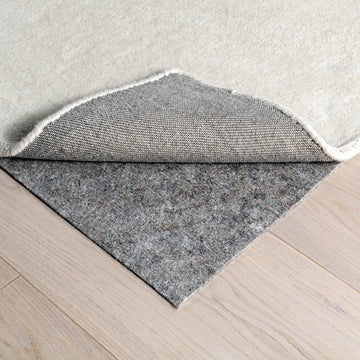
For practical use, ensure rugs lie flat and are secured with suitable rug pads to reduce slipping and movement.
Common Rug Styling Mistakes to Avoid
Several mistakes can affect the overall appearance of a rug arrangement:
-
Choosing rugs that are too small for the furniture.
-
Combining patterns with competing colours or scales.
-
Layering rugs without considering the room's proportions.
-
Using rugs that are unsuitable for high-traffic areas.
-
Ignoring rug pads and creating slipping hazards.
-
Selecting materials that are difficult to maintain for the household's needs.
Always consider durability, cleaning requirements and foot traffic alongside appearance.
Conclusion
Rug scale and layering are essential elements of thoughtful interior design. Choosing the correct rug size helps establish proportion, define furniture arrangements and create visual balance. Layering introduces texture, colour and depth while allowing different design styles to work together.
By considering room dimensions, furniture placement, pattern scale and material combinations, homeowners can create interiors that feel comfortable, cohesive and visually appealing. Whether you prefer understated neutral rugs or bold decorative designs, the right combination can transform the character of any room.