

Άρθρο: Rugs for Living Room: Make Small Spaces Look Bigger
Rugs for Living Room: Make Small Spaces Look Bigger
Small living rooms can feel comfortable and welcoming, but they often need careful styling to avoid looking crowded. Furniture placement, wall colour, lighting, and flooring all play a role in how spacious a room appears. One of the easiest ways to improve the visual balance of a compact area is by choosing the right rug. The right rug can define the seating space, create flow, and make the room look more open.
Using Rugs for Living Room: Make Small Spaces Look Bigger as a design approach is about more than placing a carpet on the floor. It involves selecting the correct size, colour, pattern, material, and placement so the room feels wider, cleaner, and better organised. A well-chosen rug can connect furniture pieces and make the entire space look planned rather than cramped.
Why Rugs Matter in Small Living Rooms
A rug acts as a visual foundation for the room. In a small living space, every design element should help create a sense of openness. Without a rug, furniture can look scattered, and the floor may appear broken into separate sections. This can make the room feel smaller than it actually is.
A properly placed rug brings all the key furniture pieces together. It creates one defined area instead of several disconnected corners. When the seating arrangement looks unified, the room appears more spacious and organised. Rugs also add warmth and comfort without requiring additional furniture or decorative items that may take up valuable space.
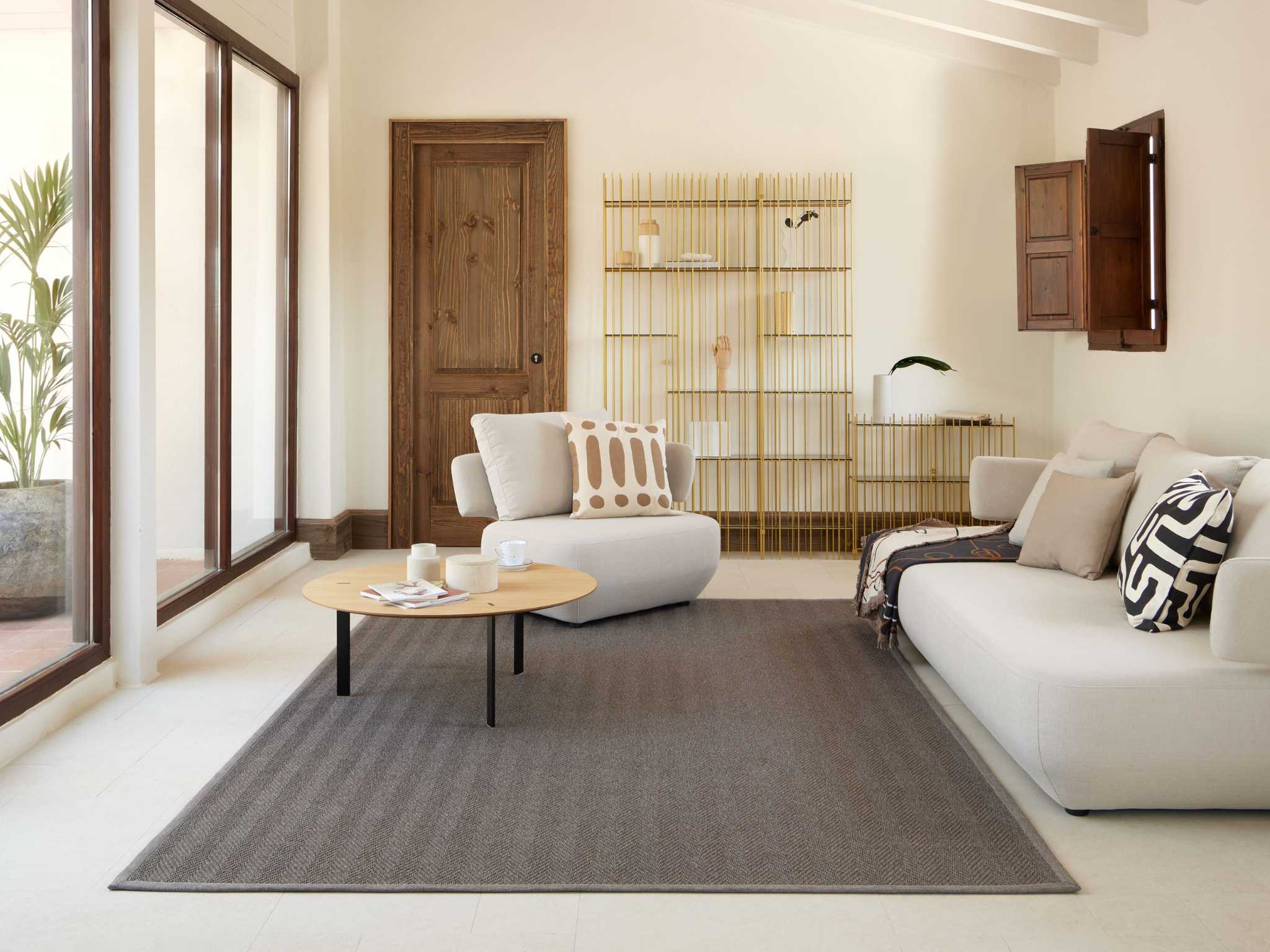
Choose the Right Rug Size
Size is one of the most important factors when choosing rugs for small living rooms. Many people select a rug that is too small, thinking it will suit a compact space. However, a small rug can make the room look even smaller because it breaks the floor visually.
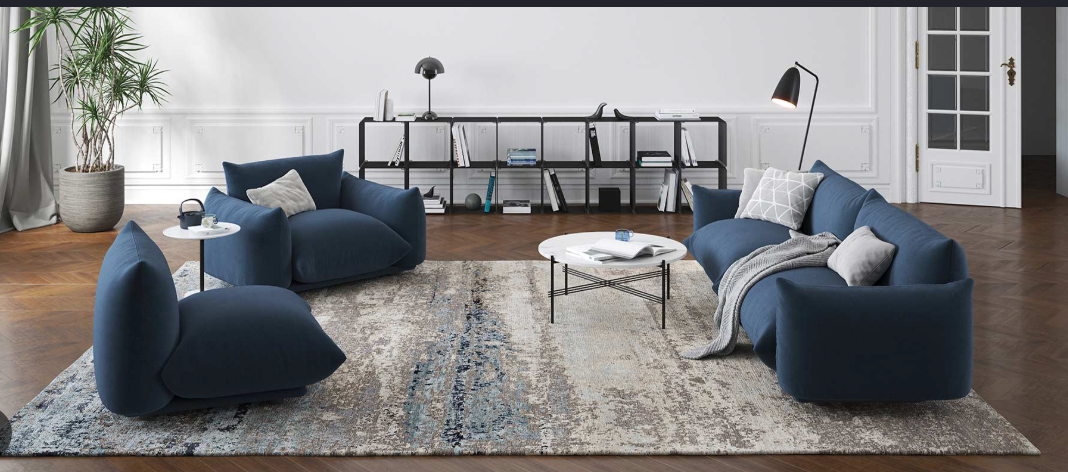
For a more spacious look, choose a rug large enough to fit under the front legs of the sofa and chairs. This creates a connected seating area and makes the room feel wider. If possible, leave a small border of visible flooring around the rug. This gives the room structure while still allowing the rug to anchor the layout.
Avoid Floating Rugs
A rug that sits only in the centre of the room without touching any furniture can look disconnected. This is often called a floating rug. In small spaces, it can make the furniture look separate and the floor area appear limited. Instead, place the rug so it supports the main furniture arrangement.
Use Light Colours to Open the Space
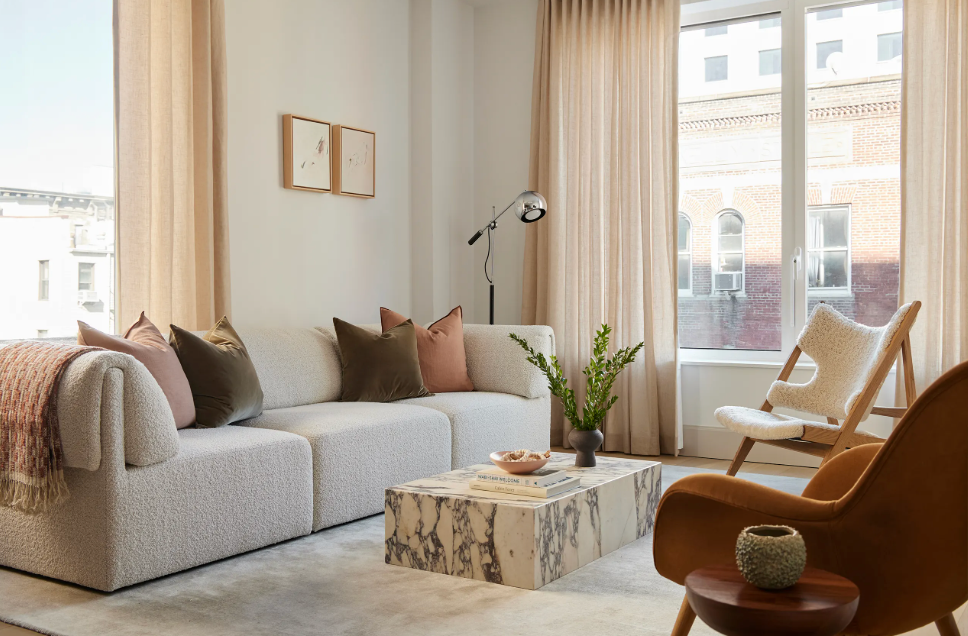
Colour has a strong effect on how large or small a room feels. Light-coloured rugs are often a good choice for compact living rooms because they reflect more light and create a softer appearance. Shades such as beige, ivory, light grey, cream, soft blue, and pale taupe can make the floor look more open.
Dark rugs can still work in small rooms, but they need to be used carefully. If the walls, sofa, and curtains are already dark, a dark rug may make the room feel heavier. A lighter rug can balance the space and improve brightness.
Match Rug Colour with the Room Palette
For a seamless look, choose a rug colour that works with the existing wall, furniture, and curtain shades. When colours flow naturally, the room appears less cluttered. Too many contrasting colours can visually divide the room and reduce the feeling of space.
Pick Simple Patterns
Patterns can add character to a living room, but in a small space, they should be chosen with care. Large, bold, and busy patterns may dominate the room and make it feel crowded. Simple patterns, soft lines, or minimal geometric designs usually work better.
Stripes can be useful when placed correctly. A striped rug can make a room appear longer or wider, depending on the direction of the lines. Subtle patterns also help hide dust and daily wear while maintaining a clean look.
Place the Rug to Improve Room Flow
Placement affects how the eye moves across the room. A rug should guide attention through the space rather than stop it. In a narrow living room, placing the rug lengthwise can make the room look longer. In a square room, a rectangular rug can add direction and structure.
Make sure the rug does not block walkways or create uneven edges near doors. A rug that fits neatly within the layout helps the room feel practical and easy to move through.
Keep Furniture Balanced
The rug should support the main furniture pieces without making the arrangement feel tight. Keep enough space between furniture items for movement. A balanced layout makes the room feel open and functional.
Select the Right Rug Material
Material also matters when choosing rugs for living rooms. In small spaces, heavy or overly thick rugs can sometimes look bulky. Low-pile rugs are a practical option because they are easier to clean and create a smooth floor appearance.
Wool rugs offer durability and comfort, while cotton rugs are lightweight and easy to maintain. Synthetic rugs can be suitable for busy households because they are often stain-resistant and budget-friendly. The best material depends on usage, maintenance needs, and personal style.
Use Rugs to Define Open Layouts
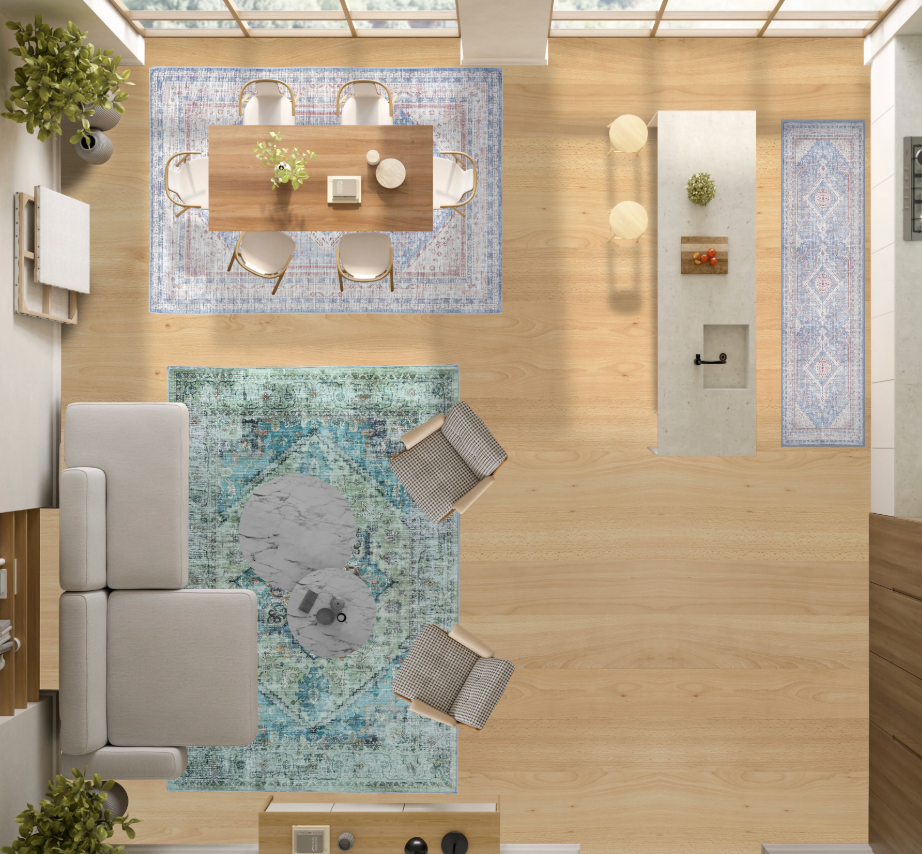
Many modern homes have open layouts where the living room connects with the dining area or kitchen. In such spaces, a rug helps define the living zone clearly. This is especially useful in small apartments where one room serves multiple purposes.
A rug under the seating area separates the living room visually without needing partitions or extra furniture. This makes the space look organised while keeping it open.
Common Mistakes to Avoid
When using rugs in small living rooms, avoid choosing rugs that are too small, too dark, or too busy in design. Also, avoid placing rugs at awkward angles unless the room layout specifically supports it. Another common mistake is ignoring maintenance. A rug that is hard to clean may quickly lose its appeal in a frequently used living room.
It is also important not to overload the room with too many rugs. One well-placed rug is usually enough for a compact living area. Too many layers can make the room feel crowded.
Final Thoughts
The right rug can change how a small living room looks and feels. It can make the space appear larger, brighter, and more organised without major renovation. By choosing the right size, colour, pattern, material, and placement, homeowners can create a balanced living area that feels comfortable and visually open.
When planned carefully, Rugs for Living Room: Make Small Spaces Look Bigger becomes a practical interior styling strategy. A rug is not just a decorative item; it is a functional design element that improves layout, comfort, and visual space.