

Άρθρο: What Makes a Rug Truly Pet-Friendly?
What Makes a Rug Truly Pet-Friendly?
Choosing the right rug for a home with pets requires more than focusing on design or color. Pet owners need rugs that can handle daily wear, accidental spills, and constant movement without compromising comfort or hygiene. Understanding What Makes a Rug Truly Pet-Friendly helps in selecting an option that balances durability, safety, and ease of maintenance.
A pet-friendly rug is not just resistant to stains; it is designed to support a cleaner living environment while remaining comfortable for both pets and people.
Why Pet-Friendly Rugs Matter in Everyday Living
Pets bring activity, unpredictability, and occasional mess into a home. From shedding fur to muddy paws, rugs are often the first surface affected. A standard rug may quickly show signs of damage, while a pet-friendly rug is built to handle these challenges.
Choosing the right rug can:
-
Reduce cleaning time
-
Prevent lingering odours
-
Maintain indoor hygiene
-
Improve the longevity of your flooring
This makes rug selection an important part of maintaining a pet-friendly home.

Key Features That Define a Pet-Friendly Rug
To understand What Makes a Rug Truly Pet-Friendly?, it is important to evaluate specific features rather than relying on appearance alone.
Durable Materials That Withstand Wear
Durability is one of the most critical factors. Pets can scratch, dig, or frequently move across surfaces, causing wear over time.
Recommended materials include:
-
Synthetic fibres like polypropylene and nylon
-
Flatweave rugs that resist pulling
-
Low-pile constructions that reduce damage
These materials are less likely to fray or tear, making them suitable for active households.
Stain Resistance for Easy Maintenance
Accidents are unavoidable, especially with young or untrained pets. A pet-friendly rug should be able to resist stains and allow quick cleaning.
Look for rugs that:
-
Have stain-resistant coatings
-
Do not absorb liquids quickly
-
Can be cleaned with mild solutions
This ensures that spills do not turn into permanent marks.
Odour Control and Hygiene
Odour retention is a common issue with traditional rugs. Pet-friendly rugs are designed to minimise absorption and allow easy cleaning.
Materials that do not trap moisture or bacteria help in maintaining freshness. This is particularly important in humid environments where odours can develop quickly.
Low Pile or Flat Surface Design
Rugs with long fibres tend to trap pet hair and make cleaning difficult. Low-pile or flatweave rugs are easier to maintain and prevent hair buildup.
Benefits include:
-
Easier vacuuming
-
Reduced allergen accumulation
-
Lower risk of fibre damage
This design also prevents pets from getting their claws stuck in the rug.
Non-Slip Backing for Safety
Safety is often overlooked when selecting rugs. Pets tend to run or jump indoors, which can cause rugs to shift.
A pet-friendly rug should:
-
Stay in place during movement
-
Provide a stable surface
-
Reduce the risk of slips and falls
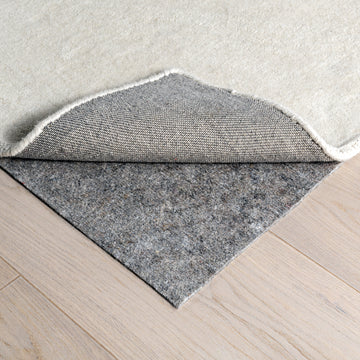
Non-slip backing or rug pads are useful additions for improving safety.
Best Materials for Pet-Friendly Rugs
Material selection plays a significant role in defining What Makes a Rug Truly Pet-Friendly?. Some materials perform better than others in homes with pets.
Synthetic Fibres
Polypropylene, polyester, and nylon are widely used for pet-friendly rugs due to their durability and stain resistance. These materials are easy to clean and do not absorb moisture easily.
Natural Fibres with Limitations
Natural materials such as wool or cotton can offer comfort but may require more maintenance. They tend to absorb liquids and may retain odours if not cleaned promptly.
For pet owners, synthetic blends often provide a more practical solution.
Maintenance Tips for Pet-Friendly Rugs
Even the most suitable rug requires proper care to maintain its condition. Regular maintenance ensures long-term usability.
Routine Cleaning
-
Vacuum regularly to remove fur and debris
-
Use pet-safe cleaning products
-
Address spills immediately
Deep Cleaning When Required
Occasional deep cleaning helps remove embedded dirt and bacteria. Depending on the material, rugs can be:
-
Machine washed (for smaller rugs)
-
Professionally cleaned
-
Spot treated for stains
Managing Pet Hair Effectively
Using lint rollers or specialised vacuum attachments can help manage shedding, especially for homes with multiple pets.
How to Choose the Right Rug for Your Home
Selecting the right rug involves matching features with your pet’s behaviour and your home environment.
Consider:
-
Size and placement of the rug
-
Type and activity level of your pet
-
Cleaning convenience
-
Indoor climate conditions
A well-chosen rug can improve both aesthetics and functionality without adding extra maintenance effort.
Common Mistakes to Avoid
When evaluating What Makes a Rug Truly Pet-Friendly?, it is equally important to avoid common mistakes:
-
Choosing high-pile rugs that trap hair
-
Ignoring stain resistance features
-
Selecting light colours without protection
-
Overlooking slip resistance
Avoiding these errors can save time and cost in the long run.
Conclusion
Understanding What Makes a Rug Truly Pet-Friendly helps in making informed decisions that support a cleaner and more comfortable living space. A pet-friendly rug combines durability, stain resistance, safety, and ease of maintenance.
By focusing on material, structure, and practical usability, pet owners can select rugs that withstand daily challenges while maintaining a neat and hygienic home environment.