

Άρθρο: Mythos Collection: Why Modern Rugs Are Starting to Reject Perfection

Mythos Collection: Why Modern Rugs Are Starting to Reject Perfection
The world of interior design has gradually shifted from rigid standards to more flexible, expressive forms. One of the most noticeable changes is in rug design. Traditional rugs often focused on symmetry, precision, and uniformity. Today, however, a new design direction is gaining attention one that embraces irregularity and subtle imperfections.
The concept behind Mythos Collection: Why Modern Rugs Are Starting to Reject Perfection? reflects a broader change in aesthetic preferences. Designers and homeowners are now drawn to rugs that feel authentic, layered, and human rather than flawless and repetitive.
The Shift from Traditional Symmetry to Organic Design
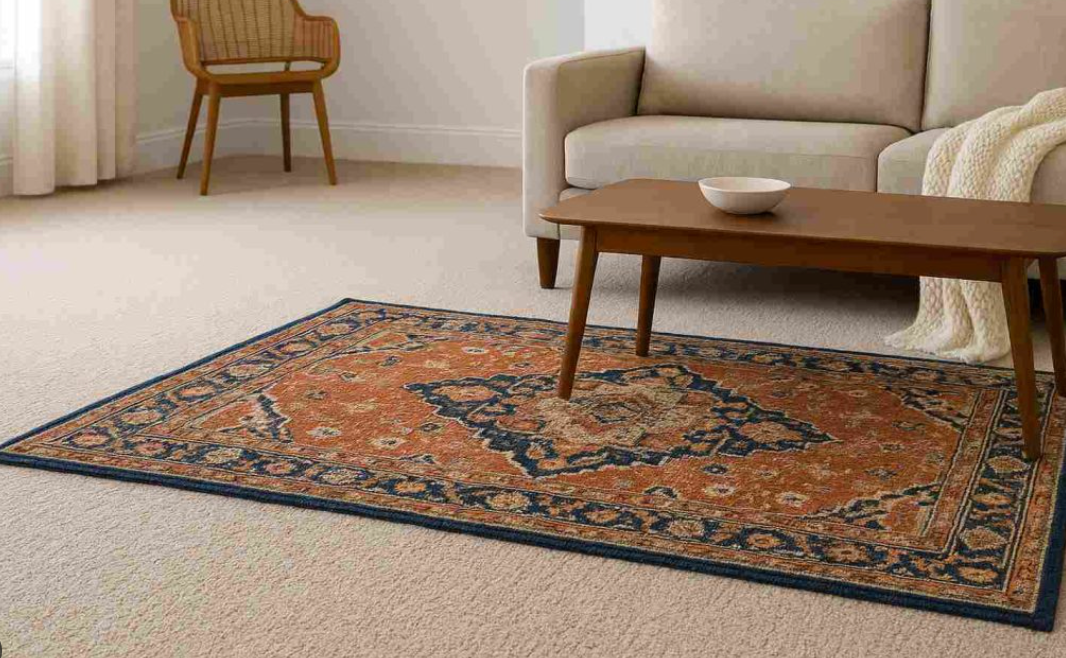
For decades, rugs were crafted with strict patterns and balanced layouts. These designs symbolized order and craftsmanship. While they still hold value, modern interiors are leaning toward more relaxed and natural styles.
Moving Away from Uniform Patterns
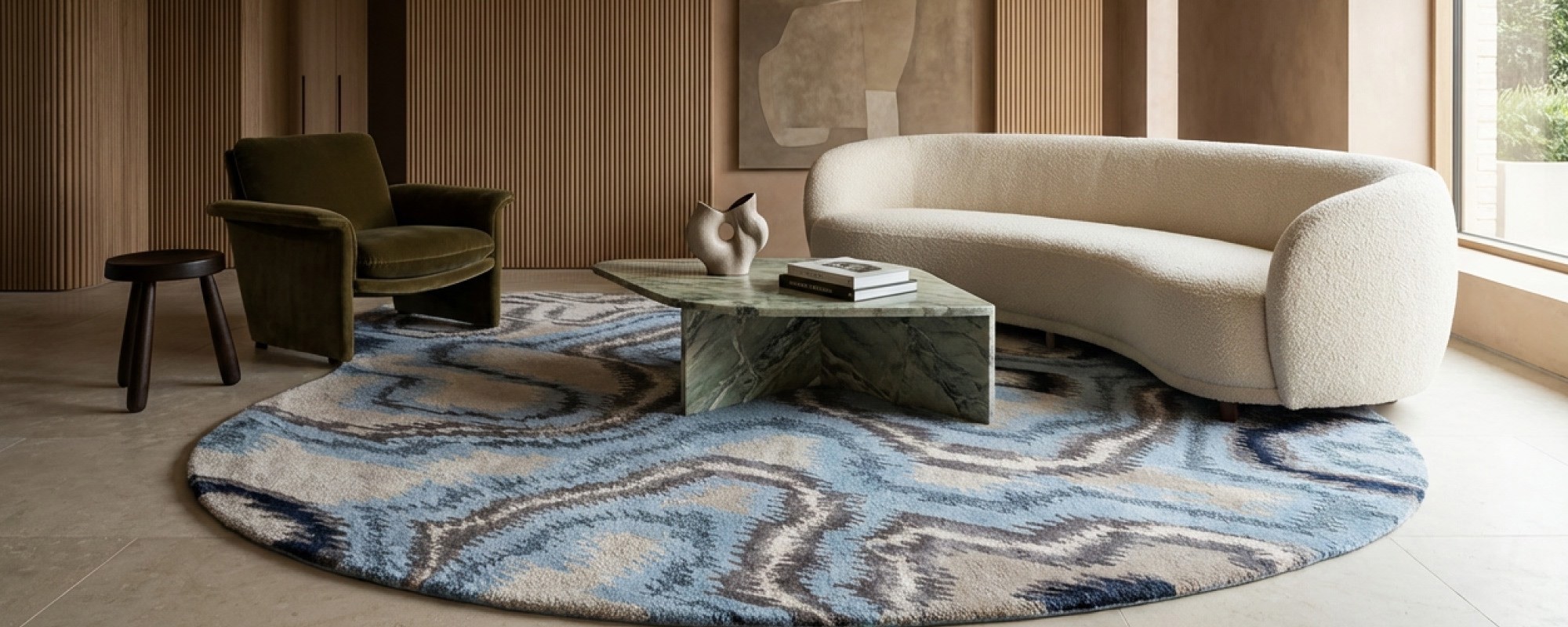
Modern rugs no longer rely heavily on identical motifs or mirrored designs. Instead, they feature:
-
Uneven textures
-
Abstract shapes
-
Subtle color variations
This shift allows rugs to blend more naturally with contemporary spaces, especially those that prioritize comfort over formality.
Reflecting Real-Life Imperfection
Perfect designs can sometimes feel mechanical. In contrast, slightly imperfect rugs reflect real-life textures and experiences. This makes interiors feel more grounded and less staged.
Influence of Contemporary Interior Trends
Interior design trends have played a key role in shaping this movement. Minimalist and modern homes often require elements that add depth without overwhelming the space.
Compatibility with Minimal Spaces
In minimal interiors, every element stands out. Rugs with slight irregularities:
-
Add character without dominating the room
-
Break monotony in neutral palettes
-
Create visual interest through texture rather than pattern
Blending with Natural Materials
Modern homes increasingly use materials like wood, stone, and linen. Rugs that avoid perfection complement these materials by maintaining a similar organic feel.
Craftsmanship and the Human Touch
Another reason behind this trend is the growing appreciation for handmade products. Machine-made rugs often achieve near-perfect results, but handmade rugs naturally carry small variations.
Celebrating Artisan Work
Each handmade rug tells a story. Slight differences in weaving, dyeing, or finishing highlight the effort involved. These variations are no longer seen as flaws but as signs of authenticity.
Unique Pieces Over Mass Production
Consumers today value individuality. Rugs that are not perfectly identical offer a sense of exclusivity, making each piece distinct.
Psychological Appeal of Imperfection
Design choices are often influenced by how spaces make people feel. Perfect symmetry can sometimes appear rigid or impersonal.
Creating a Relaxed Atmosphere
Imperfect designs:
-
Feel more approachable
-
Reduce visual pressure
-
Encourage a lived-in look
This aligns with the increasing preference for comfortable, functional homes rather than overly styled spaces.
Enhancing Visual Depth
Irregular patterns and textures create layers within a space. This adds depth without relying on bold colors or heavy decoration.
Role of Color and Texture in Modern Rugs
Modern rugs rely more on texture and subtle color shifts than on detailed patterns.
Muted and Layered Color Palettes
Instead of sharp contrasts, modern rugs often use:
-
Soft gradients
-
Washed-out tones
-
Uneven dye effects
These choices contribute to a calm and cohesive interior environment.
Textural Variation Over Pattern Complexity
Texture has become a key design element. Variations in pile height, weaving techniques, and finishes provide visual interest without requiring intricate designs.
Practical Benefits of Imperfect Designs
Beyond aesthetics, this trend also offers practical advantages.
Easier Maintenance
Rugs with slight irregularities are more forgiving when it comes to wear and tear. Minor stains or fading blend more easily into the design.
Long-Term Versatility
These rugs adapt well to changing interiors. Since they are not tied to rigid patterns, they can complement different furniture styles over time.
How to Choose a Modern Rug That Embraces Imperfection
Selecting the right rug involves balancing style, functionality, and personal preference.
Focus on Texture First
Choose rugs with visible texture variations. This adds depth without overwhelming the room.
Opt for Neutral or Earthy Tones
Colors inspired by natural elements tend to work well with imperfect designs.
Consider Room Usage
For high-traffic areas, select durable materials that maintain their character even with regular use.
The Future of Rug Design
The movement away from perfection is not temporary. It reflects a deeper change in how people view design and living spaces.
Modern rugs are becoming:
-
More expressive
-
Less structured
-
Focused on individuality
As this trend continues, collections inspired by the idea behind Mythos Collection: Why Modern Rugs Are Starting to Reject Perfection? are likely to define future interiors.
Conclusion
The rejection of perfection in modern rug design represents a meaningful shift in both aesthetics and values. Today’s interiors prioritize comfort, authenticity, and individuality over rigid symmetry. Rugs are no longer just decorative elements; they contribute to the overall experience of a space.
By embracing subtle imperfections, modern rugs create environments that feel natural and lived-in. This approach not only enhances visual appeal but also aligns with the evolving expectations of contemporary living.