

Artikel: Best Kitchen Rugs: Sizes, Types, and Buying Tips
Best Kitchen Rugs: Sizes, Types, and Buying Tips
Kitchen rugs can improve comfort, protect flooring and add visual warmth to one of the busiest areas of the home. However, selecting a suitable rug requires more than choosing an attractive colour or pattern. Size, material, placement, safety and maintenance all affect how well a rug performs in a kitchen.
This guide to the Best Kitchen Rugs: Sizes, Types, and Buying Tips explains the main options available and the practical factors to consider before making a purchase.
Why Use a Rug in the Kitchen?
Kitchen floors are often made from hard materials such as tile, stone, vinyl or wood. Standing on these surfaces for extended periods may cause discomfort, especially while preparing meals or washing dishes.
A kitchen rug can provide cushioning underfoot and reduce direct pressure on the feet and legs. It can also protect the floor from scratches, minor spills and everyday wear.
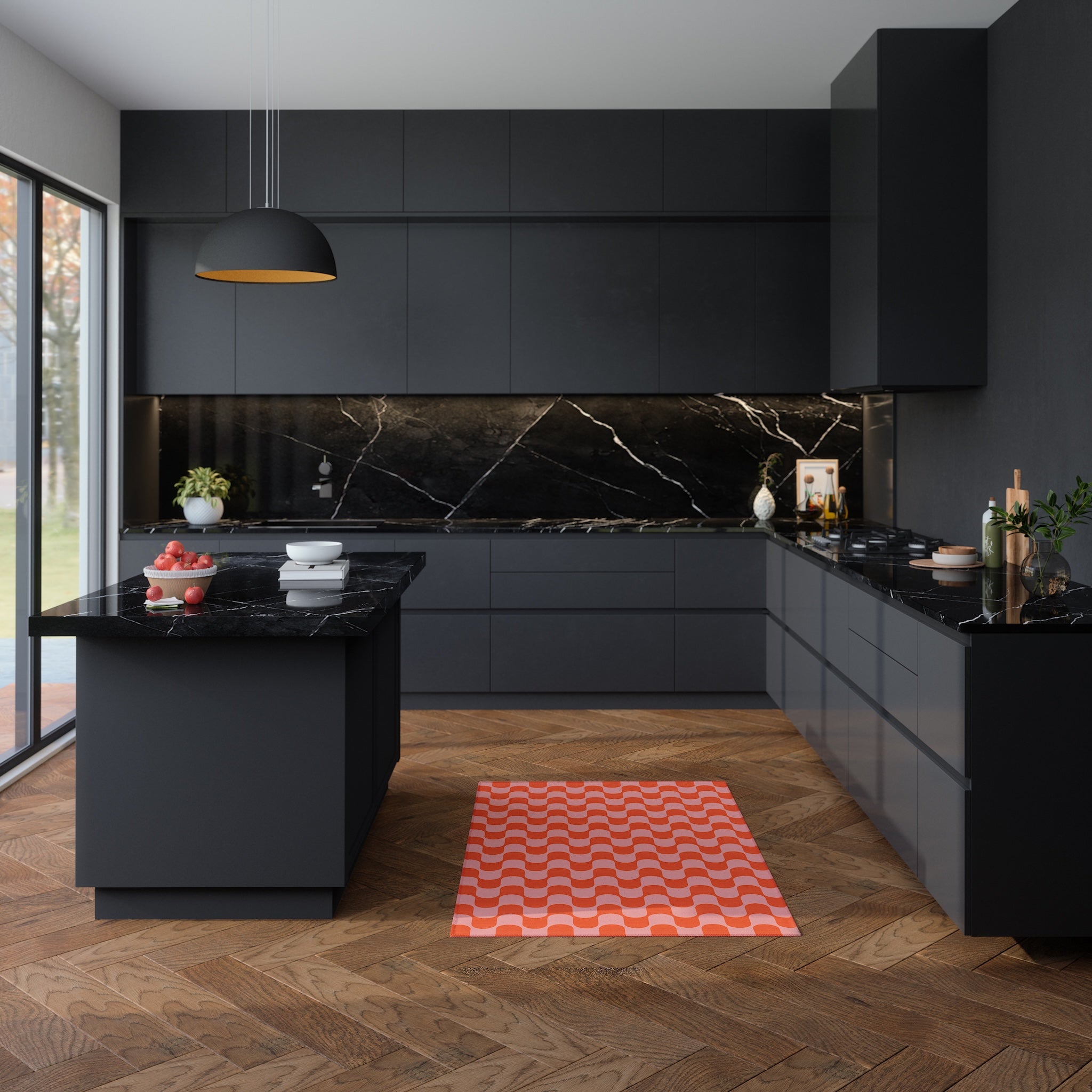
Rugs also help define different kitchen areas. For example, a runner can visually connect a narrow galley kitchen, while a small mat can mark the sink or cooking zone.

How to Choose the Right Kitchen Rug Size
Selecting the correct dimensions is important for both appearance and safety. A rug that is too small may look misplaced, while an oversized rug can interfere with doors, cabinets and movement.
Small Kitchen Mats
Small mats usually measure around 45 x 75 cm or 50 x 80 cm. They work well in compact areas where cushioning is needed in one specific location.
Common placements include:
-
In front of the kitchen sink
-
Beside the stove
-
Near a preparation counter
-
At the kitchen entrance
Before buying, measure the available floor space and confirm that the mat will not block cabinets or appliances.
Kitchen Runner Rugs
Runner rugs are long and narrow, making them suitable for galley kitchens, narrow walkways and spaces between an island and a counter.
Common runner sizes include 60 x 180 cm, 60 x 240 cm and 75 x 300 cm. Leave enough visible flooring around the edges so the rug does not make the area appear crowded.
A runner should lie flat and remain clear of cupboard doors, refrigerator doors and frequently used drawers.
Large Area Rugs
Large rugs may suit open-plan kitchens, dining kitchens or spacious layouts with a central island. They can help separate the cooking area from nearby dining or living spaces.
When using a larger rug, ensure it does not extend into wet or high-spill zones unless the material is washable and moisture-resistant.
Common Types of Kitchen Rugs
Different rug types offer different levels of comfort, durability and maintenance.
Washable Kitchen Rugs
Washable rugs are practical for kitchens because spills and food marks are common. Many can be cleaned in a washing machine, although care instructions should always be checked.
Choose a rug that fits comfortably inside the washing machine. Large or heavy rugs may require professional cleaning even when they are labelled washable.
Low-pile washable rugs are generally easier to clean than thick rugs because crumbs and debris are less likely to become trapped between the fibres.
Anti-Fatigue Kitchen Mats
Anti-fatigue mats are designed to provide additional cushioning for people who spend long periods standing. They are commonly placed near sinks, counters and cooking areas.
These mats are often made from foam, rubber or gel-based materials. Look for a mat that offers firm support without feeling unstable.
A sloped or bevelled edge can reduce the risk of tripping and make the mat easier to step onto.
Flatweave Rugs
Flatweave rugs have a thin profile and no deep pile. This makes them suitable for busy kitchens because they are less likely to trap food particles.
They also fit more easily beneath doors and cabinets. Cotton, synthetic fibres and blended materials are commonly used in flatweave designs.
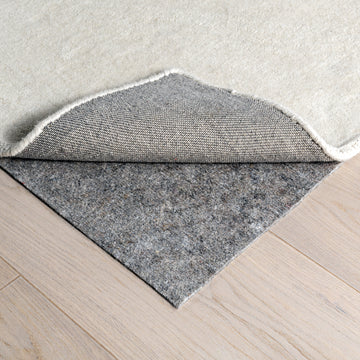
However, lightweight flatweave rugs may move on smooth floors, so a non-slip rug pad is usually recommended.
Indoor-Outdoor Rugs
Indoor-outdoor rugs are made to resist moisture, stains and regular use. They are often manufactured from synthetic materials such as polypropylene.
These rugs can be useful in households with children or pets because they are generally easy to wipe or rinse clean. Their low-pile construction also makes routine maintenance straightforward.
Natural-Fibre Rugs
Natural-fibre options include cotton, wool, jute and sisal. Cotton rugs are usually soft and washable, making them suitable for many kitchen settings.
Wool is durable and comfortable, but it may require more careful cleaning. Jute and sisal provide a textured appearance but can absorb moisture, making them less suitable near sinks and dishwashers.
Materials to Consider
The rug material affects its durability, comfort and resistance to stains.
Synthetic fibres such as polypropylene, polyester and nylon are commonly used because they are durable and relatively easy to clean. They are suitable for high-traffic kitchens and areas where spills are likely.
Cotton feels soft and is often machine washable, although it may wear more quickly than synthetic materials. Wool offers cushioning and durability but usually requires more maintenance.
For wet areas, avoid materials that absorb water easily or take a long time to dry.
Important Safety Features
Safety should be a key consideration when selecting a kitchen rug.
Choose a rug with a non-slip backing or use a separate rug pad to reduce movement. The rug should lie completely flat without curled corners or raised edges.
Avoid placing rugs directly beside open flames or where they may interfere with appliance doors. Rugs should also be positioned away from areas where water frequently collects.
Check the rug regularly for signs of wear, loose fibres or damaged backing.

Kitchen Rug Buying Tips
Match the Rug to the Kitchen Layout
Choose the rug shape according to the available space. Runners work well in narrow kitchens, while rectangular mats suit sinks and preparation areas.
Select Easy-to-Clean Materials
Kitchen rugs should be simple to vacuum, wipe or wash. Review the manufacturer’s cleaning instructions before purchasing.
Consider Colour and Pattern
Darker colours and detailed patterns may conceal minor stains better than very light, plain designs. However, the rug should still complement the flooring, cabinets and surrounding décor.
Focus on Low-Pile Construction
Low-pile rugs are easier to maintain and less likely to obstruct cabinet doors. They also reduce the chance of crumbs becoming trapped within the fibres.
Measure Before Purchasing
Measure the intended area carefully and check nearby doors, drawers and appliances. Accurate measurements help prevent returns and placement problems.
How to Maintain Kitchen Rugs
Vacuum or shake the rug regularly to remove crumbs, dust and loose debris. Clean spills as soon as possible to reduce staining.
Machine-washable rugs should be washed according to the label instructions and dried fully before being returned to the kitchen. Moisture trapped beneath a rug can damage flooring and encourage unwanted odours.
Rotate longer rugs periodically so that wear remains even across the surface.
Conclusion
The best kitchen rug should suit the room’s dimensions, traffic level and cleaning requirements. Small mats provide targeted comfort, runners suit narrow layouts and larger rugs can help define open-plan spaces.
Prioritise washable materials, low-pile construction and non-slip features. By measuring the area and considering where spills are most likely, you can choose a kitchen rug that provides comfort, floor protection and a balanced appearance.