

Artikel: How to Match Rug Colors With Walls and Furniture
How to Match Rug Colors With Walls and Furniture
Choosing the right rug is an important part of interior design. A rug can tie a room together, add comfort, and improve the overall look of your space. However, selecting the wrong color can make a room feel unbalanced or cluttered. Understanding how to match rug colors with walls and furniture helps create a cohesive and pleasing interior.
When you focus on harmony between the rug, walls, and furniture, the space feels calmer and more comfortable. Matching colors does not mean everything must be the same shade; it means creating balance through thoughtful contrast and coordination.
Understand Your Wall Colors First
Light-Colored Walls
If your walls are light, such as white, beige, cream, or light gray, you have more flexibility with rug colors. Neutral walls work well with both light and dark rugs.
-
Dark rugs add contrast and make the room feel grounded.
-
Light rugs create a soft and open look.
-
Patterned rugs can add interest without overwhelming the space.
Dark-Colored Walls
Dark walls require more careful rug selection. A rug that is too dark may make the room feel heavy.
-
Light or medium-toned rugs help balance dark walls.
-
Rugs with subtle patterns can prevent the space from looking flat.
-
Avoid matching the rug exactly to the wall color; slight contrast works better.
Understanding wall color is the first step in learning how to match rug colors with walls and furniture effectively.

Coordinate Rugs With Furniture Colors
Neutral Furniture
Neutral furniture such as beige, gray, white, or brown works well with many rug colors.
-
You can use rugs to introduce color into the room.
-
Earth tones like tan, olive, or muted blue blend naturally.
-
Patterned rugs help add depth without clashing.
Dark Furniture
Dark wood or black furniture pairs best with rugs that provide contrast.
-
Light rugs brighten the space and highlight furniture details.
-
Medium-toned rugs keep the room balanced.
-
Avoid very dark rugs unless the room has plenty of light.

Light Furniture
Light-colored furniture benefits from rugs that anchor the space.
-
Medium to dark rugs help define seating areas.
-
Soft patterns add texture without overpowering the furniture.
-
Neutral rugs maintain a clean and simple look.
Matching rug colors with furniture ensures the room looks intentional rather than random.
Use the 60-30-10 Color Rule
A helpful interior design principle is the 60-30-10 rule:
-
60% dominant color (usually walls)
-
30% secondary color (furniture)
-
10% accent color (rugs and decor)
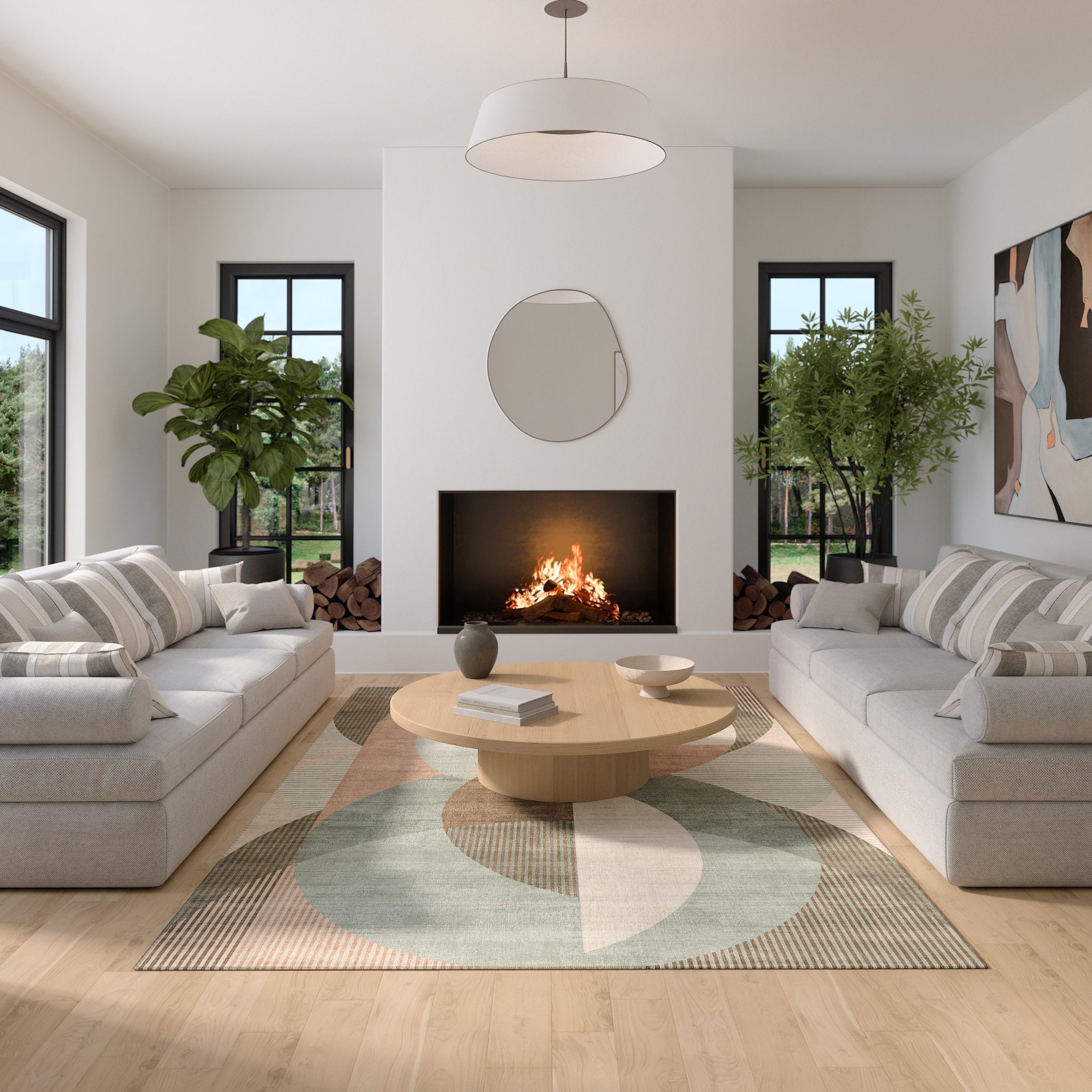
Rugs often fall into the accent category, which means they can introduce a new shade that still connects to the main colors in the room. This rule simplifies how to match rug colors with walls and furniture while keeping the design balanced.
Choosing Between Solid and Patterned Rugs
Solid Color Rugs
Solid rugs are easier to match and work well in rooms with patterned furniture or textured walls.
-
Neutral solids create a calm base.
-
Bold solid colors can highlight specific areas.
-
They suit minimal and modern interiors.
Patterned Rugs
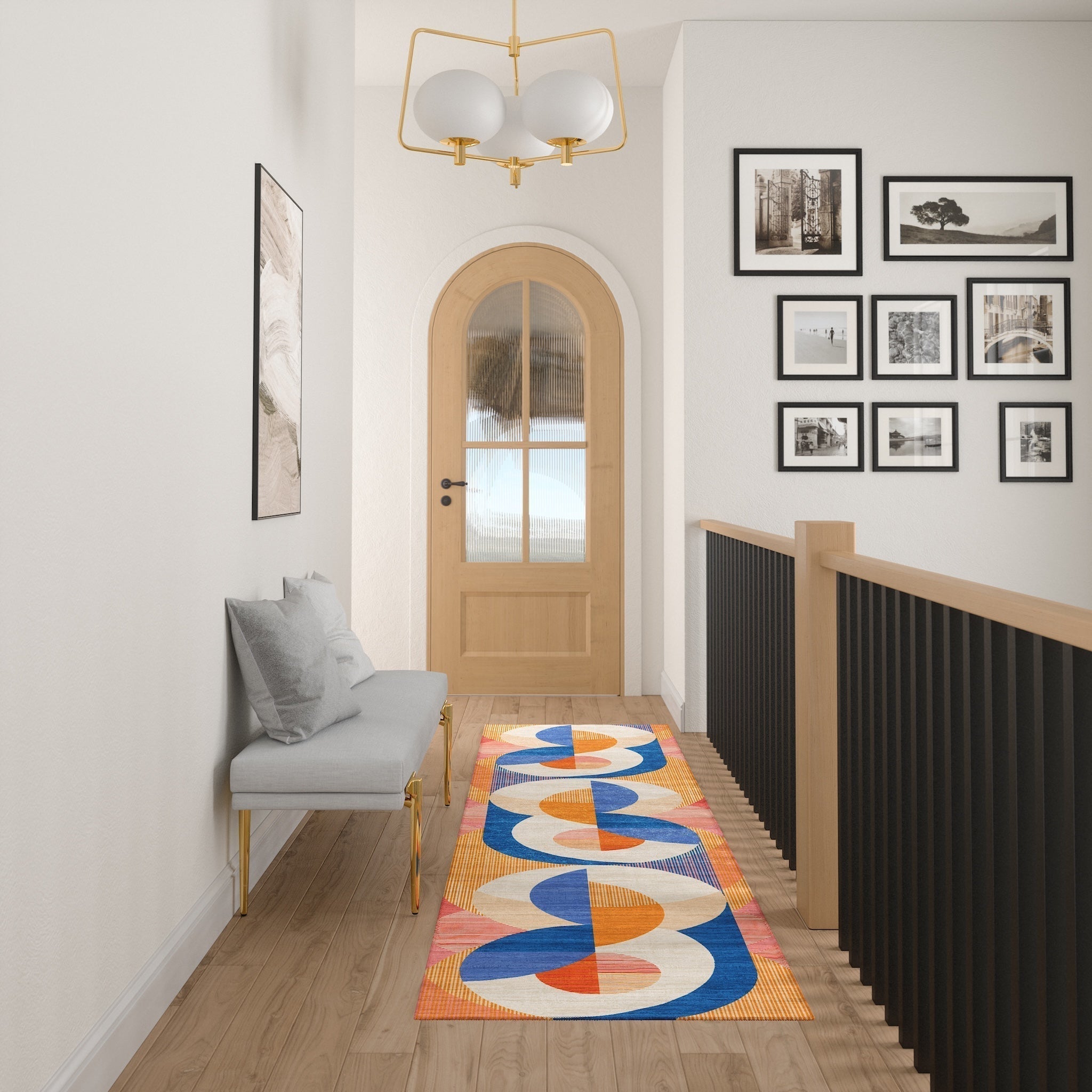
Patterned rugs add visual interest and can bring multiple colors together.
-
Choose patterns that include wall or furniture colors.
-
Avoid overly busy designs in small rooms.
-
Use simple patterns for a balanced look.
Both options work well when chosen carefully based on the room’s existing elements.

Consider Room Size and Lighting
Room size and lighting affect how rug colors appear.
-
Small rooms benefit from light-colored rugs to make the space feel larger.
-
Large rooms can handle darker or richer tones.
-
Natural light enhances colors, while low lighting softens them.
Before finalizing your choice, observe how the rug color looks at different times of the day.
Match Rugs to the Mood of the Room
Different rooms require different color approaches.
-
Living rooms work well with warm and inviting tones.
-
Bedrooms benefit from soft and calming colors.
-
Dining areas can handle darker or patterned rugs for durability.
Thinking about function helps refine how to match rug colors with walls and furniture in each space.
Conclusion
Learning how to match rug colors with walls and furniture is about balance, not perfection. By understanding wall shades, furniture tones, room size, and lighting, you can choose a rug that enhances your space rather than competing with it. Whether you prefer neutral tones or subtle patterns, the right rug brings comfort and unity to your home interior.
A thoughtful rug choice completes the room and creates a space that feels well-planned and comfortable to live in.