

Artikel: How to Select the Ideal Rug Size for Your Home Decor
How to Select the Ideal Rug Size for Your Home Decor
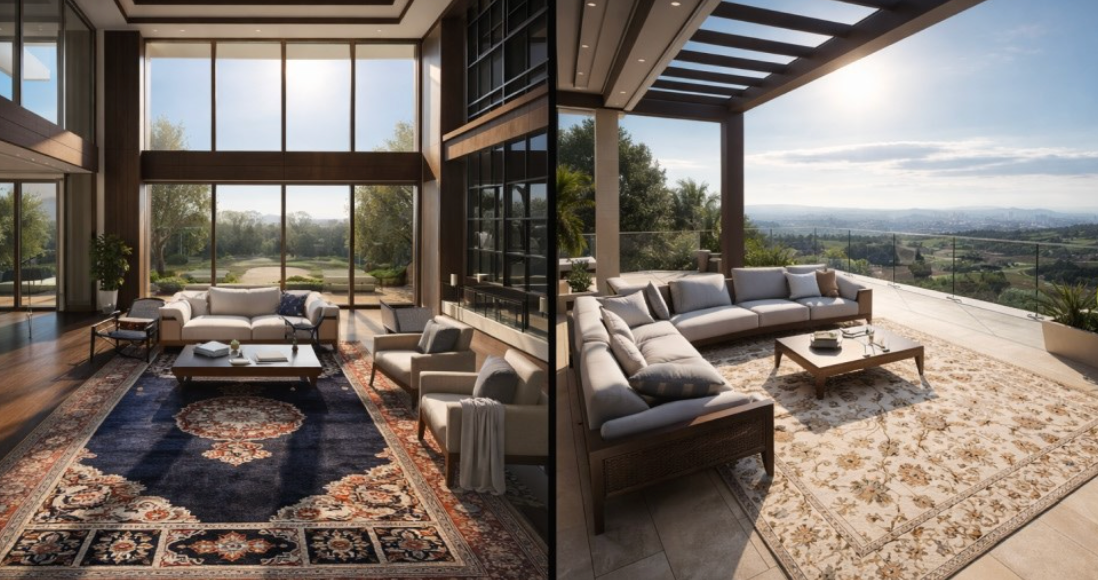
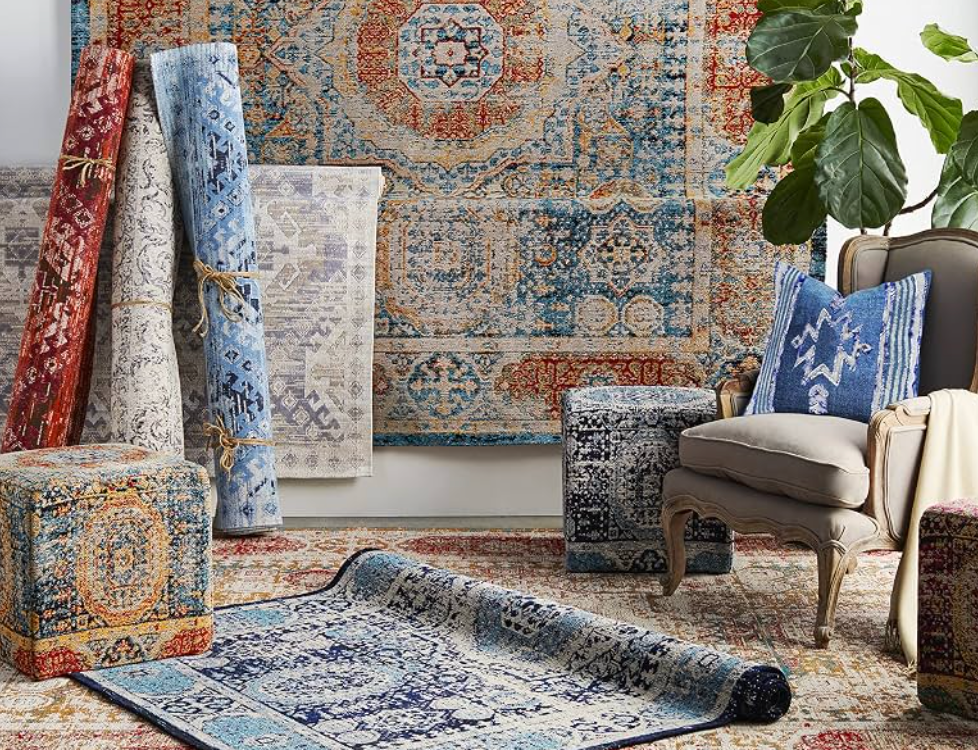
Choosing the right rug can influence how balanced, comfortable, and well-proportioned a room feels. Rugs are not only decorative additions; they also help define spaces, connect furniture arrangements, and add warmth underfoot. However, selecting the wrong size may make a room appear cramped, disconnected, or visually incomplete.
Understanding How to Select the Ideal Rug Size for Your Home Decor requires looking at the room dimensions, furniture placement, layout, and the purpose of the space. A rug should work with the surrounding furniture rather than appear as an isolated accessory.
This guide explains how to choose an appropriate rug size for different areas of the home and what factors to consider before making a purchase.
Why Rug Size Matters in Home Decor
Rug size plays an important role in creating visual balance. A rug that is too small can make furniture appear disconnected, while one that is excessively large may overwhelm the available floor space.
The right rug size can help:
-
Define different areas within a room
-
Create a more connected furniture arrangement
-
Add comfort and warmth
-
Improve visual proportions
-
Protect flooring in frequently used areas
Before choosing a rug, measure the room carefully and consider how much visible flooring you want around the edges.
Measure the Room Before Selecting a Rug
Accurate measurements are one of the most important steps in choosing a rug. Start by measuring the length and width of the area where the rug will be placed.
Avoid selecting a rug based only on standard room dimensions. Furniture placement often determines the most suitable size more accurately than the size of the room itself.
Use Tape to Visualise the Rug Area
One practical method is to mark the proposed rug dimensions on the floor using painter's tape. This helps you understand how much floor area the rug will cover and whether it fits comfortably around the furniture.
Check important points such as:
-
Distance between the rug and walls
-
Placement of furniture legs
-
Walking space around the rug
-
Door clearance
-
Relationship with nearby furniture
This simple step can reduce the risk of choosing a rug that looks too small or too large after installation.
Choosing the Right Rug Size for the Living Room
The living room is one of the areas where rug proportions are especially important because the rug helps connect sofas, chairs, and tables.
Large Living Rooms
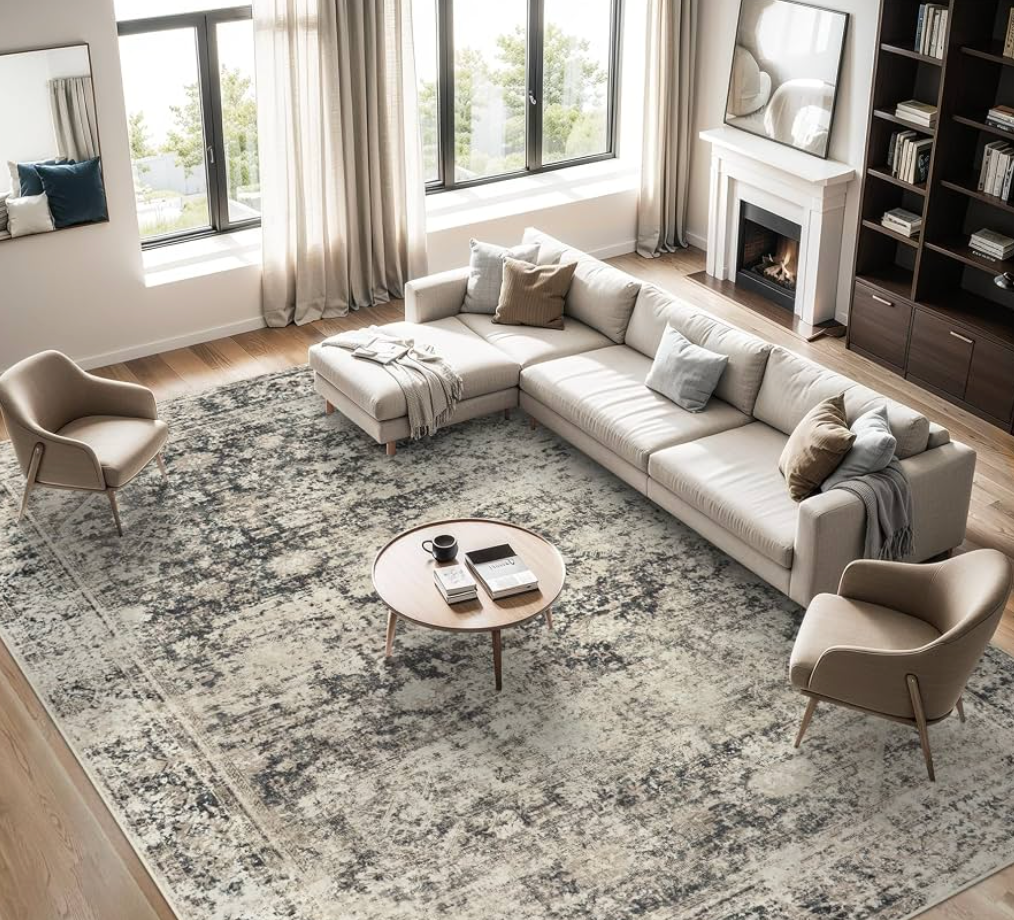
For larger living rooms, consider using a rug that allows all major furniture pieces to sit completely on the rug. This creates a unified seating area and works particularly well in open-plan spaces.
Common large rug sizes include approximately 9 x 12 feet or 10 x 14 feet, depending on the dimensions of the room.
Medium-Sized Living Rooms
In medium-sized spaces, placing the front legs of sofas and chairs on the rug is often effective. The back legs can remain on the floor while the rug visually connects the seating arrangement.
An 8 x 10-foot rug is often suitable for this type of layout, although actual requirements will depend on furniture dimensions.
Smaller Living Rooms
For smaller rooms, the rug may sit beneath the coffee table without extending fully under the sofa. However, it should still be large enough to appear intentional rather than undersized.
Leaving a consistent gap between the rug and surrounding furniture can create a cleaner appearance.
Selecting a Rug Size for the Bedroom
Bedroom rugs should provide comfort around the bed while maintaining balanced proportions.
For a king-size bed, a larger rug such as 9 x 12 feet usually provides enough coverage around the sides and foot of the bed.
For a queen-size bed, an 8 x 10-foot rug may provide suitable coverage depending on the room layout.
Rug Placement Under the Bed
There are several common placement options:
-
Position the rug completely underneath the bed and bedside tables
-
Place the rug under the lower two-thirds of the bed
-
Use smaller rugs or runners on each side of the bed
Whichever approach you choose, try to maintain similar visible rug dimensions on both sides of the bed.
Choosing the Correct Dining Room Rug Size
Dining room rugs need enough space to accommodate both the table and chairs.
Ideally, the rug should extend approximately 24 inches or more beyond each side of the dining table. This allows chairs to remain on the rug even when they are pulled away from the table.
A rug that is too small may cause chair legs to repeatedly move on and off the rug, which can feel uncomfortable and create an uneven appearance.
Match Rug Shape With Table Shape
The shape of the dining table can also guide rug selection.
Rectangular rugs generally work well under rectangular tables, while round rugs can complement round dining tables. Square rugs may suit square dining areas or compact seating arrangements.
Rug Size for Hallways and Entryways
Hallways and entrances usually require runners or smaller rectangular rugs.
A hallway runner should leave visible flooring along both sides instead of covering the entire width of the passage. This helps maintain proportion and prevents the area from appearing crowded.
For entryways, choose a rug that fits comfortably within the available space while allowing doors to open and close freely.
Consider Furniture Placement Before Buying
Furniture arrangement should always be reviewed before finalising rug dimensions.
The rug should visually connect the main furniture pieces rather than sit separately in the centre of the room. In living areas, for example, the sofa, chairs, and coffee table should appear as part of one arrangement.
It can also help to measure the complete furniture grouping rather than only measuring the empty floor area.

Common Rug Sizing Mistakes to Avoid
Several mistakes can affect the overall appearance of a room.
Choosing a Rug That Is Too Small
This is one of the most common issues. Small rugs can make a large room appear fragmented and may fail to connect the furniture properly.
Ignoring Door Clearance
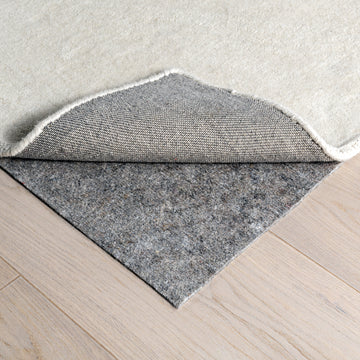
Always check whether nearby doors can open without catching on the rug, especially when choosing thicker materials.
Forgetting Furniture Dimensions
Measure furniture before selecting the rug. Large sofas, dining tables, or beds may require significantly more rug coverage than expected.
Selecting Size Without Considering Layout
Two rooms with identical dimensions may need different rug sizes depending on furniture placement and walking areas.
Final Thoughts
Choosing the correct rug dimensions requires more than matching a rug to the size of a room. Furniture placement, walking space, proportions, and room function all influence the final decision.
When considering how to select the ideal rug size for your home decor, begin with accurate measurements, evaluate the furniture layout, and visualise the rug placement before purchasing. A properly sized rug can help connect furniture, define functional areas, and create a more balanced interior without overwhelming the space.