

Artikel: Indoor vs Outdoor Rugs: Key Differences Explained
Indoor vs Outdoor Rugs: Key Differences Explained
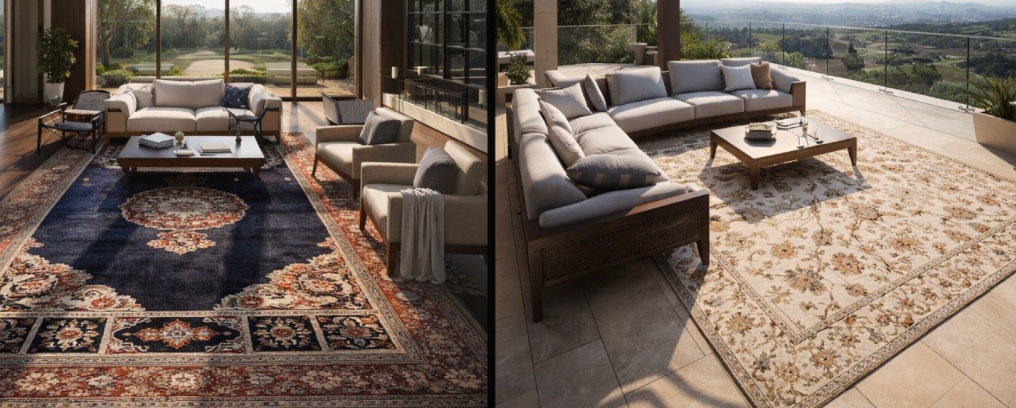
Rugs add comfort, colour, and structure to a space, but not every rug is designed for the same environment. A rug placed in a living room faces very different conditions from one used on a patio, balcony, or covered deck. Choosing the wrong type can lead to fading, moisture damage, mould, staining, or unnecessary wear.
Understanding Indoor vs Outdoor Rugs: Key Differences Explained can help homeowners select a rug that suits the location, expected foot traffic, weather exposure, and cleaning requirements. Although indoor and outdoor rugs may appear similar, they differ significantly in material, construction, texture, durability, and maintenance.
What Is an Indoor Rug?
An indoor rug is designed for enclosed spaces that are protected from rain, direct sunlight, excessive moisture, and major temperature changes. These rugs are commonly used in living rooms, bedrooms, dining rooms, hallways, and home offices.
Indoor rugs often focus on softness, visual detail, warmth, and comfort. They may be made from natural or synthetic fibres and are available in a wide range of colours, patterns, pile heights, and weaving styles.
Common Materials Used in Indoor Rugs
Indoor rugs are frequently made from:
-
Wool
-
Cotton
-
Silk
-
Viscose
-
Nylon
-
Polyester
-
Polypropylene
-
Natural fibres such as jute or sisal
Wool is valued for its softness, insulation, and durability, while cotton rugs are often lighter and easier to move. Silk and viscose rugs provide a refined appearance but usually require more careful maintenance. Synthetic materials can offer stain resistance at a more accessible price point.
What Is an Outdoor Rug?
An outdoor rug is specifically constructed to withstand conditions such as sunlight, humidity, dirt, rain, and frequent foot traffic. These rugs are used on patios, balconies, decks, poolside areas, porches, and outdoor dining spaces.
Unlike most indoor rugs, outdoor rugs are made from materials that dry quickly and resist moisture-related damage. Their construction is generally flatter and less absorbent, making them easier to clean.
Common Materials Used in Outdoor Rugs
Outdoor rugs are usually manufactured from synthetic fibres such as:
-
Polypropylene
-
Recycled plastic
-
Polyester
-
Nylon
-
PET fibres
Polypropylene is one of the most widely used outdoor rug materials because it resists water, stains, mildew, and fading. Recycled plastic rugs are lightweight, easy to wash, and suitable for areas exposed to changing weather conditions.

Indoor vs Outdoor Rugs: Key Material Differences
The most important difference between indoor and outdoor rugs is the type of material used.
Indoor rugs may contain absorbent fibres such as wool, cotton, or silk. These materials provide comfort but can retain moisture. If exposed to rain or high humidity, they may develop odours, mould, discolouration, or fibre damage.
Outdoor rugs are made from low-absorbency materials. Water usually passes through or dries quickly, reducing the risk of long-term moisture damage. Their fibres are also treated or manufactured to resist ultraviolet exposure and weather-related wear.
Durability and Weather Resistance
Outdoor rugs are generally more resistant to demanding conditions. They are designed to handle dirt, spills, moisture, sunlight, and temperature changes. Many can remain outside for extended periods, although storing them during severe weather can extend their lifespan.
Indoor rugs are durable within controlled environments, but their performance depends on the material and construction. A wool rug may last for many years in a living room, yet it may deteriorate quickly if placed in an exposed outdoor setting.
For high-traffic indoor areas, a low-pile synthetic rug may provide better durability than a delicate, high-pile rug.
Comfort and Texture
Comfort is often a major priority for indoor rugs. Bedrooms and living rooms benefit from rugs with a soft surface, dense pile, or cushioned texture. These rugs can make a room feel warmer and more comfortable underfoot.
Outdoor rugs usually have a flatter, firmer texture. Their low-pile construction prevents water, dust, and debris from becoming deeply trapped. While modern outdoor rugs can feel comfortable, they may not provide the same softness as wool, cotton, or plush indoor rugs.
Design and Appearance
Indoor rugs are available in a broader range of detailed designs, textures, and finishes. They may feature intricate weaving, delicate patterns, layered colours, or hand-finished details.
Outdoor rugs are also available in many attractive styles, including geometric, striped, floral, and neutral designs. However, their patterns are usually created with practical durability in mind. Colours may be selected or treated to reduce visible fading caused by sunlight.
An outdoor rug can help define seating and dining zones, while an indoor rug can connect furniture and create a visual centre within a room.
Cleaning and Maintenance Requirements
Indoor rugs often require regular vacuuming and occasional professional cleaning. The correct cleaning method depends on the fibre. Wool, silk, and viscose rugs may need specialised care, while washable cotton or synthetic rugs are easier to maintain.
Outdoor rugs are usually simpler to clean. Loose dirt can often be removed by shaking, sweeping, or vacuuming. Many outdoor rugs can be washed with mild soap and water, then air-dried completely before being returned to their position.
Preventing Moisture Problems
Even weather-resistant rugs should not remain wet for long periods. Lift the rug occasionally to allow the floor underneath to dry. This is particularly important on wooden decks, concrete patios, and tiled balconies where moisture can become trapped.
Can Outdoor Rugs Be Used Indoors?
Outdoor rugs can be used indoors, especially in areas where spills, pets, children, or heavy foot traffic are common. They can be practical choices for kitchens, entryways, dining areas, utility rooms, and playrooms.
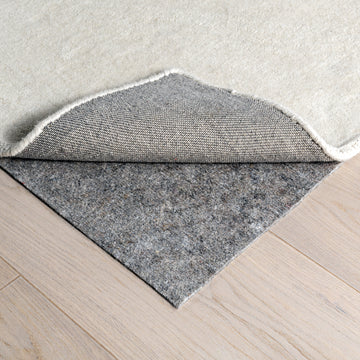
However, they may feel less soft than traditional indoor rugs. A suitable rug pad can improve comfort, reduce slipping, and protect the floor beneath.
Can Indoor Rugs Be Used Outdoors?
Indoor rugs should generally not be used outdoors unless the area is completely enclosed and protected from moisture and direct sunlight. Even on a covered patio, humidity and wind-driven rain may damage natural fibres.
Using an indoor rug outside temporarily may be possible for a special event, but it should be brought indoors immediately if weather conditions change.
How to Choose the Right Rug
Consider the following factors before selecting a rug:
Location
Choose a weather-resistant rug for exposed or semi-exposed spaces. Use softer indoor materials in dry, enclosed rooms.
Foot Traffic
Entryways, hallways, patios, and dining areas require durable, easy-to-clean rugs. Bedrooms can accommodate softer and more delicate options.
Maintenance
Select a rug that suits the amount of cleaning and care you can provide. Washable and stain-resistant materials are practical for busy households.
Comfort
Choose a thicker or softer rug for spaces where people sit, walk barefoot, or spend long periods.
Conclusion
The choice between indoor and outdoor rugs depends on where the rug will be placed and what conditions it must handle. Indoor rugs prioritise comfort, texture, and decorative detail, while outdoor rugs focus on moisture resistance, durability, and easy cleaning.
By comparing materials, construction, maintenance needs, and environmental exposure, homeowners can choose a rug that performs well and supports the overall design of the space.