

Artikel: Why Hand-Knotted Silk Rugs Are the Pinnacle of Luxury
Why Hand-Knotted Silk Rugs Are the Pinnacle of Luxury
Hand-knotted silk rugs have long been associated with refinement, heritage, and exceptional craftsmanship. In a world where mass production dominates the home décor market, these rugs stand apart for their artistry and enduring value. Understanding why hand-knotted silk rugs are the pinnacle of luxury requires a closer look at their construction, materials, aesthetic appeal, and long-term investment potential.
These rugs are not simply decorative pieces; they represent centuries of tradition and skilled workmanship passed down through generations.
The Art of Hand-Knotting
At the core of every silk rug lies an intricate hand-knotting process. Unlike machine-made rugs, which are produced quickly and uniformly, hand-knotted silk rugs are created knot by knot on a loom.
A Labor-Intensive Craft
Each rug can take months or even years to complete, depending on its size and design complexity. Skilled artisans tie thousands, sometimes millions, of individual knots to create detailed patterns. This process ensures:
-
Exceptional durability
-
Precise detailing
-
Unique character in every piece
Because the work is done manually, no two rugs are identical. This individuality is one of the key reasons why hand-knotted silk rugs are the pinnacle of luxury.
Superior Material Quality
The use of natural silk fibers distinguishes these rugs from others made of wool or synthetic materials.
Natural Silk and Its Properties
Silk is known for its:
-
Soft texture
-
Natural sheen
-
Strength despite its delicate appearance
The fine threads allow for a higher knot density, enabling artisans to create intricate designs with remarkable clarity. The luminous quality of silk reflects light differently depending on the viewing angle, giving the rug depth and visual richness.
This combination of softness and strength enhances both comfort and longevity.
Detailed and Intricate Designs
One defining characteristic of silk rugs is their ability to showcase highly detailed patterns.
Precision in Every Knot
Because silk fibers are thin and flexible, they allow for tighter knotting compared to thicker materials. This results in:
-
Higher knot counts per square inch
-
Sharper pattern definition
-
More elaborate motifs
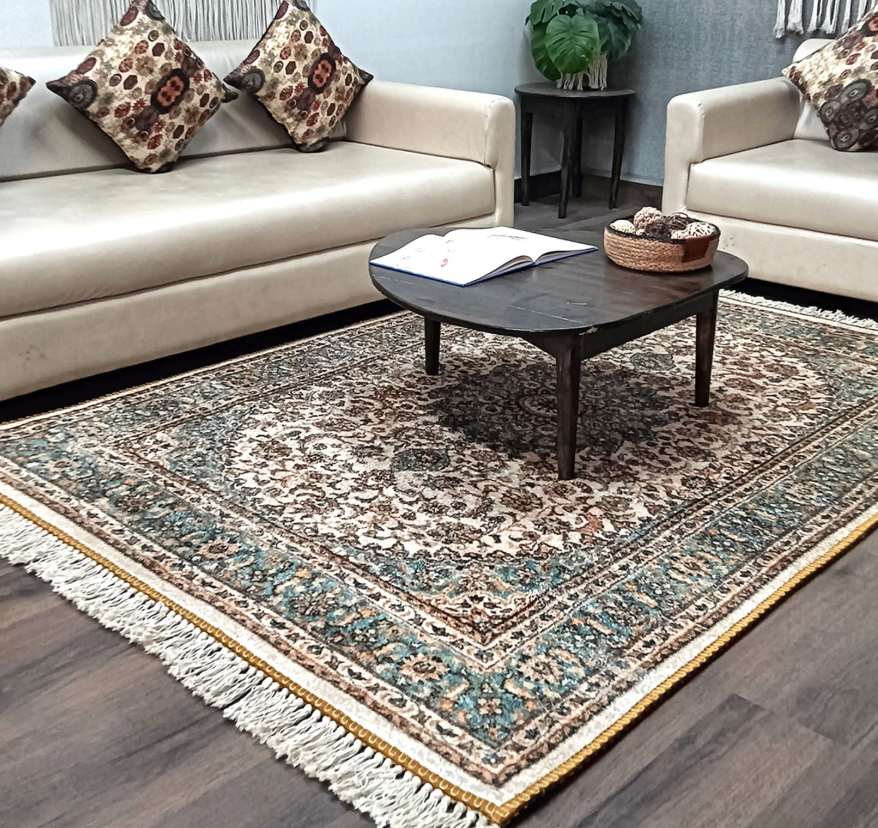
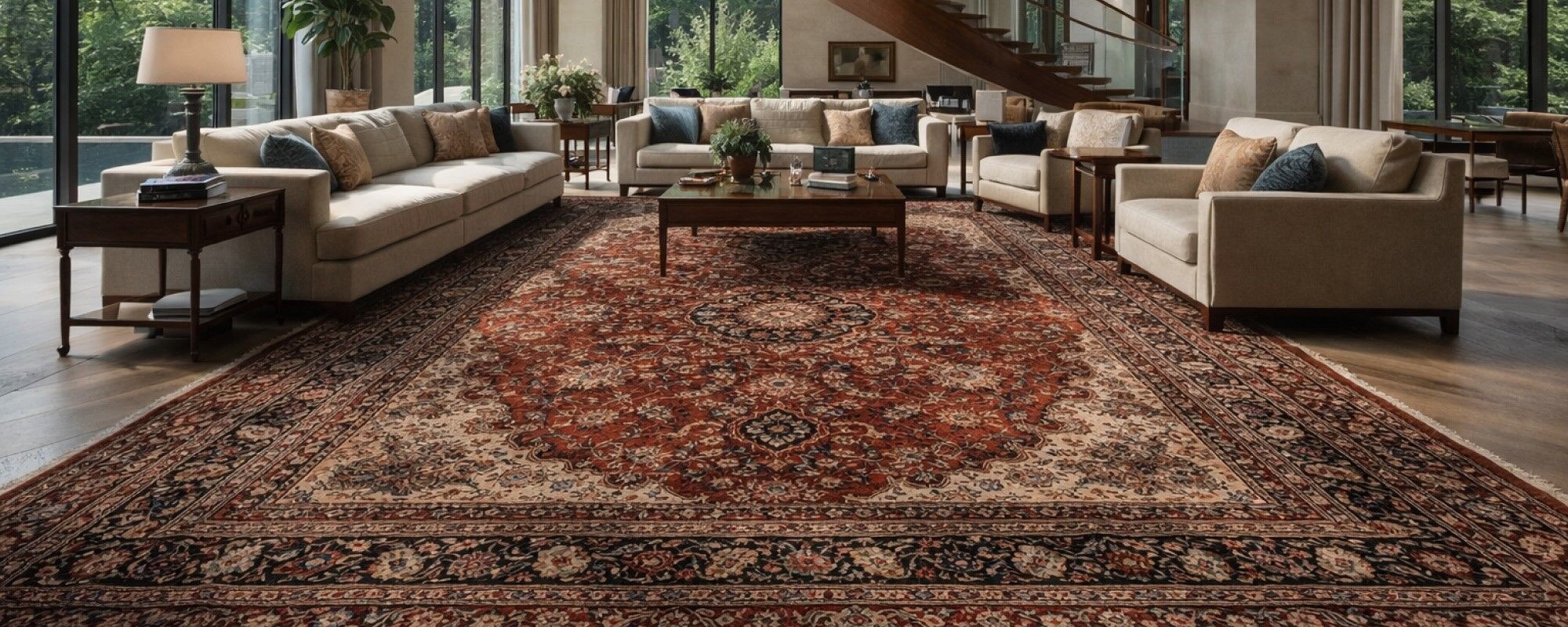
Traditional designs often include floral medallions, geometric patterns, or historical motifs inspired by Persian, Indian, or Turkish heritage. Modern interpretations also feature contemporary themes while maintaining traditional craftsmanship.
The clarity and refinement of these patterns contribute significantly to why hand-knotted silk rugs are the pinnacle of luxury in interior spaces.
Longevity and Durability
Although silk appears delicate, hand-knotted silk rugs are surprisingly durable when properly maintained.
Built to Last Generations
The knotting technique creates a strong structural foundation. Unlike tufted or glued rugs, which may shed or deteriorate over time, hand-knotted rugs maintain their integrity for decades. In many cases, they become family heirlooms passed down through generations.
Regular maintenance, such as gentle cleaning and professional care, preserves both color and texture. This longevity increases their overall value and appeal.
A Symbol of Prestige and Refinement
Luxury is often defined by exclusivity, craftsmanship, and timeless appeal. Hand-knotted silk rugs embody all three.
Elevating Interior Spaces
These rugs add:
-
Depth and texture to minimalist interiors
-
Warmth to formal living rooms
-
Sophistication to bedrooms and offices
Their subtle sheen enhances natural and artificial lighting, creating an inviting atmosphere. Unlike trendy décor items that quickly fall out of fashion, silk rugs retain their elegance across changing design styles.
Homeowners, collectors, and interior designers frequently choose silk rugs as focal points because of their understated grandeur.

Investment Value
Beyond their aesthetic appeal, silk rugs also hold financial value.
Appreciating Assets
Authentic hand-knotted silk rugs often increase in value over time, particularly those crafted in renowned weaving regions. Factors influencing their worth include:
-
Knot density
-
Design complexity
-
Origin
-
Age and condition
Unlike mass-produced furnishings that depreciate, these rugs can serve as long-term investments. Their rarity and craftsmanship make them desirable in both residential and collector markets.
This financial aspect further explains why hand-knotted silk rugs are the pinnacle of luxury.
Sustainability and Ethical Craftsmanship
In recent years, buyers have become more conscious of sustainability and ethical sourcing.
Traditional Methods with Minimal Environmental Impact
Hand-knotting relies primarily on manual labor rather than heavy machinery. When responsibly sourced silk and natural dyes are used, the environmental footprint is significantly lower compared to synthetic alternatives.
Supporting artisan communities also helps preserve traditional skills and provides sustainable livelihoods. This ethical dimension adds meaningful value to each purchase.
Caring for a Hand-Knotted Silk Rug
To maintain beauty and durability, proper care is essential.
Maintenance Guidelines
-
Avoid placing in high-moisture areas
-
Rotate periodically to ensure even wear
-
Use gentle vacuuming without aggressive brushes
-
Seek professional cleaning when necessary
With appropriate care, these rugs maintain their sheen and structure for decades.
Conclusion
Understanding why hand-knotted silk rugs are the pinnacle of luxury involves appreciating their craftsmanship, material quality, design precision, and lasting value. Each rug represents countless hours of skilled labor and a tradition rooted in history.
Their natural silk fibers offer unmatched sheen and softness, while the hand-knotting process ensures durability and uniqueness. Combined with investment potential and ethical production methods, these rugs stand apart from ordinary floor coverings.
In a well-designed home, a hand-knotted silk rug is more than décor. It is a statement of refinement, a testament to craftsmanship, and a timeless addition that continues to enhance spaces for generations.