


8x10 Area Rugs: 10 Buying Mistakes to Avoid
An 8x10 area rug can help define a seating arrangement, add comfort underfoot, and bring colour or texture into a room. This size works in many living rooms, dining rooms, bedrooms, and other medium-sized spaces. However, selecting a rug based only on its appearance can lead to problems with proportions, maintenance, placement, and everyday use.
Understanding 8x10 Area Rugs 10 Buying Mistakes to Avoid can help you evaluate a rug based on both design and practical requirements. Measuring your room, considering furniture placement, and choosing suitable materials can make a significant difference in how the rug looks and performs over time.
1. Choosing a Rug Without Measuring the Room
One of the most common mistakes is assuming an 8x10 rug will automatically fit a particular room.
Before choosing a rug, measure the room as well as the area occupied by the furniture. Marking an 8x10-foot rectangle on the floor with painter's tape can help you visualise its actual dimensions.
Check the Space Around the Rug
Consider how much flooring will remain visible around the rug. Uneven or extremely narrow gaps between the rug and walls can make the layout appear unbalanced.
Taking measurements beforehand can help determine whether an 8x10 rug is appropriate for the available space.
2. Ignoring Furniture Placement
A rug should relate directly to the furniture around it. Placing a small furniture arrangement in the middle of a large rug or positioning furniture too far beyond its edges may create awkward proportions.
In a living room, an 8x10 rug may accommodate the front legs of a sofa and surrounding chairs. Depending on room dimensions, some furniture may fit entirely on the rug.
Plan the furniture arrangement before deciding on final rug placement.
3. Selecting the Wrong Material
Different rug materials respond differently to foot traffic, spills, sunlight, and cleaning.
For a frequently used living room, consider materials designed to tolerate regular use. A bedroom may allow for softer materials because it typically experiences different levels of foot traffic.
Consider Daily Use
Think about children, pets, footwear, food, and other factors that affect the space. A rug that requires specialised maintenance may not be practical in a room where spills or dirt are common.
Material selection should reflect how the room is actually used.
4. Choosing Colour Without Considering the Room
A rug may look appealing on its own but still clash with existing furniture, flooring, curtains, or wall colours.
Before making a selection, identify the dominant and secondary colours already present in the room. The rug can either complement those shades or introduce contrast in a controlled way.
Whenever possible, compare samples under the room's actual lighting conditions.
5. Using Too Many Competing Patterns
Patterned rugs can add visual interest, but they need to work with other patterns in the room.
If curtains, cushions, wallpaper, or upholstery already contain detailed designs, adding another strong pattern may make the room appear crowded.
Balance Pattern Scale
Patterns do not necessarily need to match. Instead, vary their scale. A large-pattern rug can work alongside smaller patterns on cushions or curtains, provided the colours create some visual connection.
In rooms with many decorative elements, a simpler rug may provide balance.

6. Forgetting About Door Clearance
An 8x10 rug requires more than sufficient floor space. You should also check doors, cabinets, and other moving elements nearby.
A thick rug placed close to a door may prevent it from opening freely. The same issue can occur near low cabinet doors or storage furniture.
Measure available clearance before choosing a thick or high-pile rug.
7. Overlooking Pile Height
Pile height affects comfort, appearance, cleaning, and furniture stability.
High-pile rugs can feel soft underfoot but may require additional maintenance. Low-pile rugs are generally easier to vacuum and can work well in spaces with frequent movement.
Furniture is also usually easier to position securely on a lower pile.
Match Pile Height to the Room
A plush rug may suit a bedroom or quiet seating area, while a lower pile may be more practical for dining rooms and frequently used living spaces.
Choose based on function rather than appearance alone.
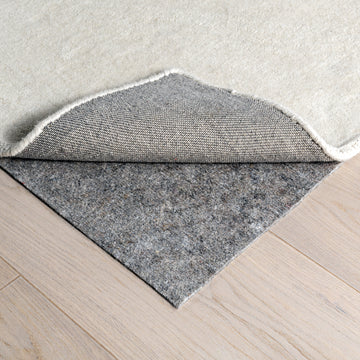
8. Skipping the Rug Pad
A rug pad is easy to overlook, but it serves several practical purposes.
Depending on the rug and flooring, an appropriate pad can reduce unwanted movement and provide additional cushioning. It may also help create a more even surface beneath the rug.
Choose a rug pad that is slightly smaller than the rug so it remains hidden around the edges.
9. Ignoring Cleaning Requirements
Rugs collect dust, crumbs, pet hair, and other debris through regular use. Before selecting one, check the manufacturer's cleaning and care instructions.
Some rugs can be maintained with routine vacuuming and spot cleaning, while others may require professional cleaning.
Consider whether those maintenance requirements fit your household routine before making a decision.
10. Following Trends Instead of the Room
Colours and patterns may become popular for a period, but a rug should primarily suit your existing interior and practical needs.
Consider the flooring, furniture style, room dimensions, and colours you already use. A design that works naturally with these elements may remain visually appropriate even as decorating trends change.
Focus on Long-Term Compatibility
If you frequently change cushions, artwork, or smaller accessories, choosing a rug with adaptable colours can make future updates easier.
A rug is a substantial visual element, so it should support rather than restrict the rest of your decorating choices.
Final Thoughts
Understanding 8x10 Area Rugs: 10 Buying Mistakes to Avoid can make the selection process more practical and considered. Start with accurate room measurements and furniture placement, then evaluate materials, pile height, colour, pattern, maintenance, and door clearance.
An 8x10 rug should do more than fill an empty section of flooring. When its dimensions and design suit the room, it can help define furniture arrangements, improve comfort, and create a more visually connected space. Taking time to assess these factors before making a selection can help you choose a rug that works effectively with both your interior and everyday needs.


