


How to Choose 8x10 Rugs for Living Room Spaces
An area rug can influence how a living room looks, feels, and functions. Apart from adding comfort underfoot, the right rug can help define the seating area, introduce texture, protect flooring, and create a more balanced interior. Among the commonly preferred sizes, an 8x10 rug works particularly well in medium-sized and larger living rooms.
Understanding how to choose 8x10 rugs for living room spaces requires more than selecting a design that looks attractive. Room dimensions, furniture placement, material, durability, color, and maintenance all play an important role. Considering these factors before buying can help you choose a rug that fits naturally into your living space.
Why Choose an 8x10 Rug for the Living Room?
An 8x10 rug provides enough surface area to visually connect major pieces of living room furniture without covering the entire floor. It is often suitable for seating arrangements that include a sofa, chairs, coffee table, and side tables.
A properly positioned rug can make individual furniture pieces feel like part of one coordinated area. It can also create separation in open-plan homes where the living room shares space with a dining area or kitchen.
Before choosing this size, however, measure the available floor space carefully. The rug should complement the room rather than make it appear crowded.
Measure Your Living Room Before Buying
Accurate measurements are one of the most important steps when selecting an area rug.
Check the Available Floor Space
Measure the length and width of your living room and note the position of doors, walls, vents, fireplaces, and major furniture. An 8x10 rug measures approximately eight feet by ten feet, so there should generally be visible flooring around its edges.
Leaving some exposed floor between the rug and walls helps frame the seating area and gives the room a more proportionate appearance.
Mark the Rug Area
Before purchasing, use painter's tape to outline an 8x10 rectangle on the floor. This simple method allows you to see how much space the rug will occupy and whether it works with your existing furniture layout.
It can also help prevent choosing a rug that appears larger or smaller in the room than expected.

Consider Your Furniture Layout
Rug placement should relate directly to the arrangement of your furniture.
Place the Front Legs on the Rug
One of the most common arrangements is to place the front legs of the sofa and chairs on the rug while keeping the rear legs on the flooring. This works well in many medium-sized living rooms and helps visually connect the furniture.
Place All Furniture Legs on the Rug
If the room provides enough space, all legs of the sofa and chairs can sit completely on the 8x10 rug. This arrangement often works well when the seating area is compact enough to fit comfortably within the rug's dimensions.
Avoid using a rug that only fits beneath the coffee table while leaving all other furniture outside it. This can make the rug appear too small for the room.
Choose the Right Rug Material
Material affects comfort, appearance, durability, and maintenance. The ideal option depends on how frequently the living room is used.
Wool Rugs
Wool is durable, comfortable, and naturally resistant to everyday wear. It can be a practical choice for living rooms that receive regular foot traffic. Wool rugs are often more expensive, but their durability may make them suitable for long-term use.
Cotton Rugs
Cotton rugs tend to be lightweight and easier to move. They can work well in casual interiors and may be easier to clean than heavier materials. However, they may not provide the same durability as wool in busy living spaces.
Synthetic Rugs
Materials such as polypropylene and polyester are commonly used for affordable area rugs. Synthetic options may resist stains and moisture better than some natural fibres, making them useful in homes with children or pets.
Natural Fibre Rugs
Jute and sisal rugs introduce texture and a natural appearance. They work particularly well in neutral, coastal, rustic, and minimalist interiors. However, they may feel rougher underfoot than wool or synthetic alternatives.
Select a Color That Suits the Room
Color can affect the overall visual balance of your living room.
Light-colored rugs can make a room feel brighter and more open, while darker shades may create contrast and hide minor marks more effectively. Neutral colors such as beige, grey, cream, and brown work well with many interior styles.
If the furniture and walls are mostly neutral, a patterned or colorful rug can add visual interest. On the other hand, if the room already includes several colors and patterns, a simpler rug may help create balance.
Think About Pattern and Interior Style
The design of the rug should complement the character of the living room rather than compete with it.
Geometric designs can suit modern interiors, while traditional patterns may work well in classic spaces. Solid rugs create a simpler appearance and allow other decorative elements to receive more attention.
Consider curtains, cushions, wall colors, furniture finishes, and artwork when selecting a rug pattern. The goal is not necessarily to match every element but to create a consistent overall appearance.
Consider the Rug Pile Height
Pile height refers to the thickness and length of the rug fibres.
Low-pile rugs are generally easier to clean and allow furniture to sit more evenly. They can be suitable for high-traffic living rooms and homes where regular vacuuming is important.
High-pile and shag rugs offer more softness but may require additional maintenance. They can also make it harder to move lightweight furniture or vacuum thoroughly.
Choose a pile height based on how the room is used rather than appearance alone.
Check Maintenance Requirements
A living room rug should fit your cleaning routine. Review the manufacturer's care instructions before purchasing.
Some rugs require professional cleaning, while others can be spot cleaned or vacuumed regularly. Homes with pets or children may benefit from rugs made from stain-resistant and easy-to-maintain materials.
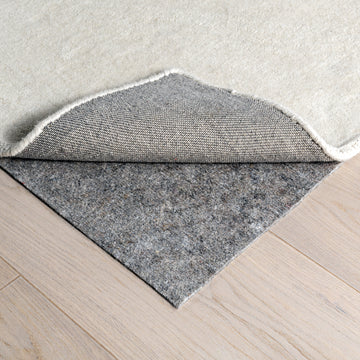
Using a rug pad underneath an 8x10 rug can also help reduce slipping, provide additional cushioning, and limit movement.
Consider Durability and Daily Use
Living rooms are often among the most frequently used areas of a home. The rug therefore needs to withstand regular walking, furniture pressure, spills, and routine cleaning.
For busy households, prioritize durable fibres, tightly constructed weaves, and practical colors. Decorative rugs made from more delicate materials may be better suited to lower-traffic spaces.
Final Thoughts
Choosing an 8x10 rug requires balancing room dimensions, furniture placement, comfort, appearance, and practical maintenance needs. Start by measuring the room and deciding how the furniture will sit around or on the rug. Then compare materials, colors, patterns, and pile heights based on your lifestyle.
Learning how to choose 8x10 Rugs for living room spaces carefully can help you avoid common sizing and placement mistakes. When the proportions and design are suitable, an 8x10 rug can define the seating area, improve comfort, protect flooring, and bring the overall living room arrangement together.


