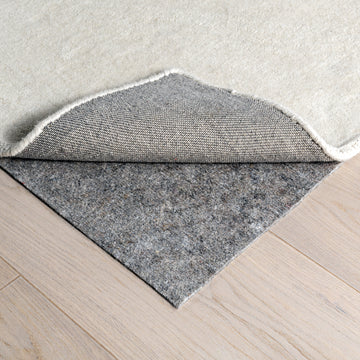



Monsoon Rug Care Before During and After the Rains
The monsoon season brings welcome relief from hot weather, but increased humidity, damp floors and limited sunlight can make rug maintenance more difficult. Rugs can absorb moisture from the air and wet footwear, potentially leading to unpleasant odours, stains, mildew and changes in texture when they are not properly maintained.
Following a structured Monsoon Rug Care: Before, During and After the Rains routine can help keep rugs clean and dry throughout the season. Preparation before the rains, regular moisture management during wet weather and thorough cleaning afterwards can reduce common monsoon-related problems.
Why Do Rugs Need Extra Care During the Monsoon?
Rugs naturally collect dust, dirt and moisture through everyday use. During the monsoon, higher humidity levels can slow evaporation, meaning moisture may remain trapped within rug fibres for longer periods.
Wet footwear, open windows and damp flooring can add further moisture. Rugs placed near balconies, entrances and windows may be particularly exposed.
Moist conditions can encourage mildew and produce musty smells. Some rug materials may also experience colour changes or fibre damage when they remain damp for extended periods. This makes prevention an important part of seasonal rug maintenance.
Before the Rains, Prepare Your Rugs
Preparing rugs before the monsoon arrives can make maintenance easier throughout the rainy season. Start with a thorough cleaning to remove accumulated dust and debris.
Vacuum both the front and back of the rug where possible. Dust trapped underneath can combine with moisture and become harder to remove later.
Clean and Dry Rugs Thoroughly
If a rug requires washing or professional cleaning, schedule it before regular rainfall begins. Make sure the rug is completely dry before placing it back on the floor or putting it into storage.
Never store a rug while it is damp. Even a small amount of trapped moisture can create conditions for mildew and odours.
Check the manufacturer's care instructions before washing because different materials require different cleaning methods.
Decide Which Rugs Should Be Stored
Some delicate or difficult-to-clean rugs may be better stored during periods of heavy rain, especially in rooms exposed to frequent moisture.
Clean the rug first, allow it to dry fully and roll it rather than folding it. Folding can create creases that may be difficult to remove.
Store rolled rugs in a clean, dry and ventilated location away from damp walls and floors.

During the Monsoon Control Indoor Moisture
Moisture management becomes the main priority once regular rainfall begins. Keeping rooms ventilated can help prevent humidity from remaining trapped indoors.
Open windows when weather conditions allow, or use fans, air conditioning or a dehumidifier to improve air circulation and manage indoor moisture.
Keep Wet Footwear Away From Rugs
One of the simplest ways to protect rugs during the monsoon is to prevent water and mud from reaching them.
Place suitable doormats at entrances and encourage household members and visitors to remove wet footwear before walking over rugs. If possible, keep valuable rugs away from doors, balconies and other areas where rainwater may enter.
If water is accidentally spilled or tracked onto a rug, address it promptly rather than waiting for it to dry naturally.
Vacuum Rugs Regularly
Frequent vacuuming helps remove dirt, dust and small particles that can settle between rug fibres. The required frequency depends on foot traffic, pets and the location of the rug.
Pay attention to the underside as well. Moisture can sometimes become trapped between the rug and floor without being immediately visible.
Periodically lift the rug and check whether both surfaces feel dry.
How Should You Handle a Wet Rug?
Quick action is important when a rug becomes wet.
Begin by blotting the affected area with a clean, absorbent cloth. Avoid aggressive rubbing because it may spread the moisture or disturb the fibres.
If a larger section is wet, lift the rug away from the floor so air can circulate around both sides.
Improve Air Circulation for Drying
Use fans or other suitable ventilation to help the rug dry evenly. Avoid rolling, stacking or placing furniture over a damp rug.
Sunlight may help with drying some rugs, but prolonged direct exposure can affect certain dyes and fibres. Always consider the rug material and its specific care requirements.
For significant water exposure, professional cleaning may be appropriate.
Prevent Musty Odours and Mildew
A musty smell can indicate that moisture is remaining in or around the rug.
Check underneath the rug, examine the flooring and improve ventilation immediately. Simply covering the smell with fragrance does not address the underlying moisture.
Avoid applying household cleaning products without checking whether they are suitable for the rug material. Products that work on synthetic fibres may not be appropriate for wool or other natural materials.
After the Rains Give Rugs a Thorough Check
Once the monsoon season ends and humidity levels begin to decrease, inspect rugs carefully.
Look for stains, discolouration, unusual smells, damaged edges and changes in texture. Vacuum both sides and clean the floor underneath before returning the rug to its usual position.
Consider a Deeper Seasonal Cleaning
Post-monsoon cleaning can remove dirt and residue accumulated during rainy weather.
Depending on the rug's material and condition, this may involve vacuuming, spot cleaning or professional cleaning. Follow the manufacturer's instructions and ensure the rug dries completely afterward.
This is also a suitable time to rotate the rug. Rotation can help distribute foot traffic and exposure to light more evenly.
Final Thoughts
Effective Monsoon Rug Care: Before, During and After the Rains involves more than occasional cleaning. Preparing rugs before wet weather, controlling moisture during the monsoon and inspecting them once the rains end can help maintain their appearance and condition.
Simple practices such as keeping wet footwear away, vacuuming regularly, checking underneath rugs and responding quickly to moisture can make seasonal maintenance easier. Most importantly, understand the care requirements of the specific rug material and avoid leaving rugs damp for extended periods. With consistent attention throughout the season, rugs can remain cleaner, drier and ready for everyday use after the rains have passed.


