


Rug and Carpet Pile Height Cheat Sheet: Low vs High
Pile height describes the length of the fibres that stand above the backing of a rug or carpet. It is one of the most useful details to check before choosing floor covering, because it affects how a room feels, how easily it can be cleaned and how well it handles daily traffic. This Rug and Carpet Pile Height Cheat Sheet: Low vs High explains the differences in clear terms, so you can select a practical option without relying only on colour or pattern.
A low-pile rug is usually flatter and firmer underfoot, while a high-pile rug has longer fibres and a softer feel. Neither is automatically better. The right pile height depends on the room, the people using it and the amount of maintenance you are comfortable doing.
What Is Rug and Carpet Pile Height?
Pile height is normally measured from the rug backing to the top of its fibres. Manufacturers may use slightly different categories, but low pile is commonly up to around 0.6 centimetres, medium pile is roughly 0.6 to 1.2 centimetres, and high pile is above that range. The material, fibre density and construction also affect how a rug performs, so pile height should not be viewed in isolation.
Quick Pile Height Guide
-
Low pile: Flat, smooth and easier to vacuum.
-
Medium pile: A balance of softness, durability and everyday comfort.
-
High pile: Plush and cosy, but more demanding to clean.
Low-Pile Rugs and Carpets
Low-pile rugs have short fibres or a flatwoven surface. They are a practical choice for busy areas because dirt, crumbs and pet hair tend to remain closer to the surface. A standard vacuum cleaner can usually clean them easily, and doors are less likely to catch when opening over the rug.
They work particularly well in entryways, dining rooms, hallways, kitchens and home offices. A low pile also provides a steadier surface under dining chairs, wheeled office chairs and tables. If you prefer a clean-lined, less bulky look, this type of rug can help a small room feel more open.
Benefits of Low Pile
-
Easier to clean and maintain.
-
Suitable for high-traffic spaces.
-
Less likely to trap dust and pet hair deeply.
-
Works well under furniture and near doorways.
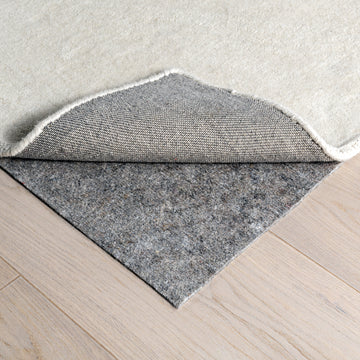
The trade-off is comfort. Low pile can feel firm, especially on hard flooring. Use a good-quality rug pad if you want more cushioning and grip without changing the rug’s appearance.
High-Pile Rugs and Carpets
High-pile rugs have longer fibres that create a deeper, softer surface. Shag rugs and many plush bedroom carpets fall into this category. They can make a room feel warmer and more relaxed, which is why they are often used in bedrooms, dressing areas and low-traffic lounges.
However, long fibres can hold dust and debris more easily. They may need slower vacuuming or professional cleaning, and can flatten beneath heavy furniture.
When High Pile Works Best
Choose high pile when you want:
-
A softer surface beside a bed or seating area.
-
Extra warmth in a low-traffic room.
-
A more relaxed, layered interior look.
-
Comfort as a higher priority than quick cleaning.
Avoid placing a very high-pile rug directly under a dining table or in a narrow entryway. These areas need a stable surface and are more exposed to dirt and moisture.
Is Medium Pile the Most Versatile Option?
Medium-pile rugs sit between the two extremes. They offer more softness than a flatweave but are usually easier to maintain than a thick shag. This makes them a sensible option for family living rooms, bedrooms and spaces that need both comfort and regular cleaning.
For many homes, medium pile is the most flexible choice because it balances everyday comfort with manageable cleaning.
How to Choose the Right Pile Height
Use this simple checklist before choosing a rug or carpet:
-
Consider foot traffic and whether shoes are worn in the room.
-
Think about pets, children, allergies and how often you vacuum.
-
Measure door clearance before selecting a thick rug.
-
Check how chairs, tables and other furniture will sit on the surface.
-
Choose a pile height that matches the room’s purpose, not just its appearance.
Conclusion
This Rug and Carpet Pile Height Cheat Sheet: Low vs High shows that pile height should be selected according to comfort, cleaning needs and room use. Low pile is usually best for busy areas, high pile suits softer low-traffic spaces, and medium pile offers a useful balance. By comparing these factors before you buy, you can choose a rug or carpet that looks appropriate and performs well over time.