


Choosing Rugs That Complement Your Sofa Color
When decorating a living room, one of the most impactful design choices is the combination of your sofa and rug. Selecting the right rug can tie the entire room together, creating harmony and balance. The key lies in choosing rugs that complement your sofa color, rather than simply picking a rug based on size or price. This guide explores practical strategies to help you make informed decisions while enhancing your home’s aesthetics.
Understanding Color Harmony
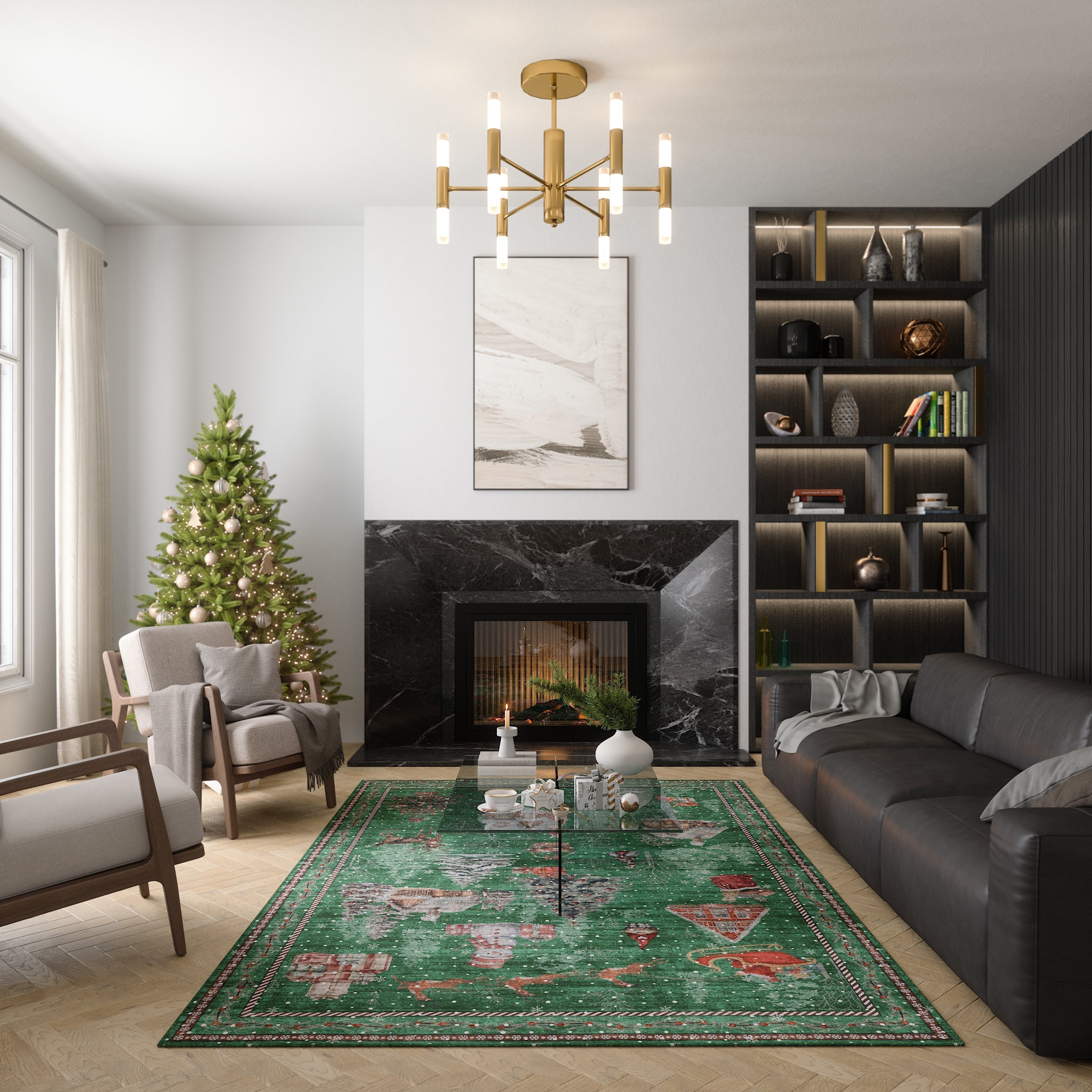
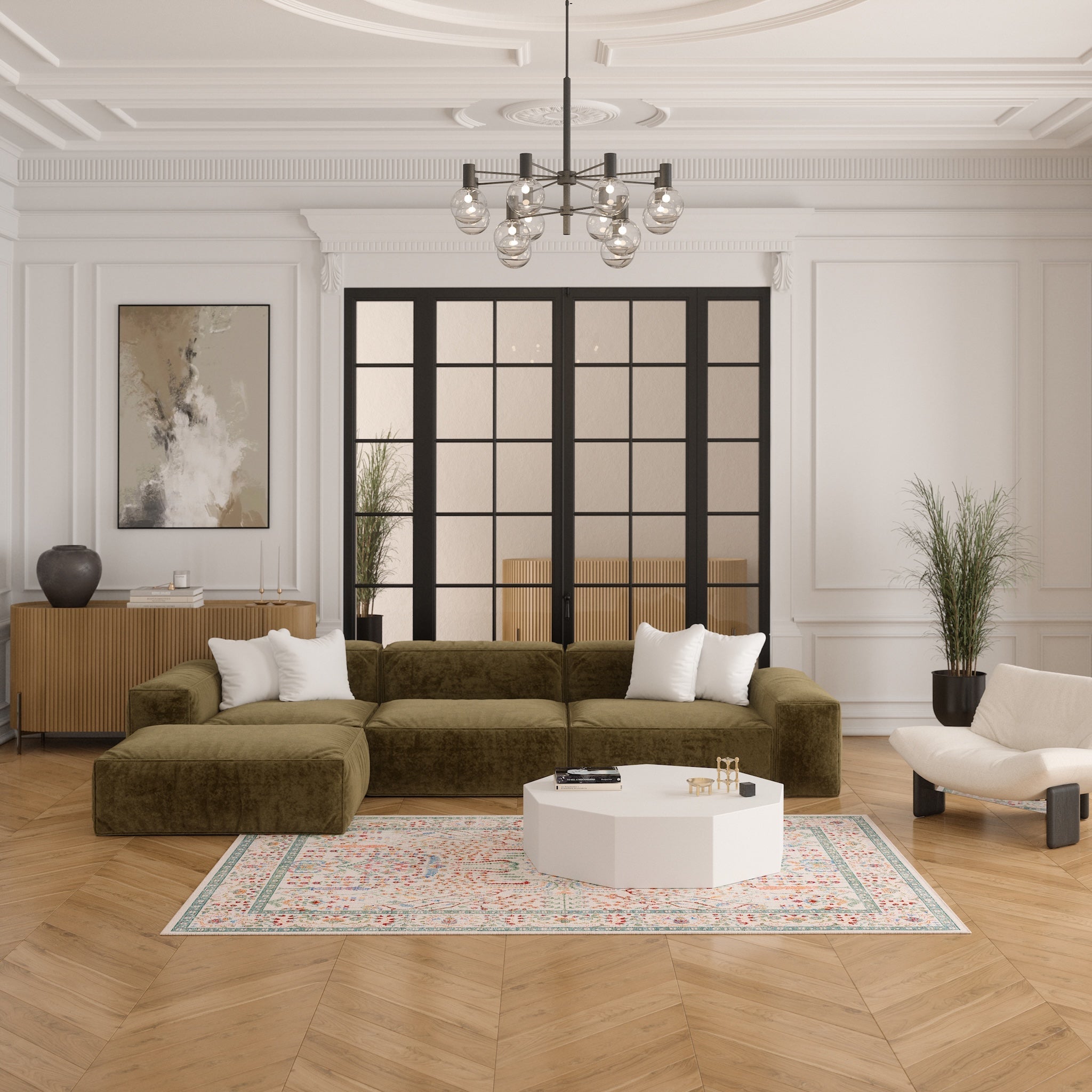
Color plays a crucial role in interior design. A sofa is often the centerpiece of a living room, and the rug should complement its color without overpowering the space. Before shopping for a rug, assess your sofa’s tone and undertone. Sofas can range from neutral shades like beige, gray, and cream to bold colors such as navy, emerald green, or burgundy.
When choosing rugs that complement your sofa color, consider these approaches:
1. Complementary Colors
Complementary colors are opposite each other on the color wheel. Pairing a sofa with a rug in a complementary shade can create a striking yet balanced look. For example, a deep blue sofa pairs beautifully with an orange-toned rug, while a soft green sofa may be enhanced by a warm pink or coral rug.
2. Analogous Colors
Analogous color schemes involve colors that are next to each other on the color wheel. This creates a subtle, cohesive effect that feels natural. For instance, a gray sofa can be paired with rugs in shades of blue or lavender, while a beige sofa blends seamlessly with soft browns and creams.
3. Neutral Palettes
Neutral sofas like white, gray, or taupe offer flexibility. You can choose rugs with patterns or textures that add depth without clashing. Neutral rugs work well with neutral sofas but can also provide contrast with a bolder sofa color, balancing the room visually.

Considering Patterns and Textures
While color is essential, patterns and textures are equally important in choosing rugs that complement your sofa color. A rug with a bold pattern can create a focal point in a neutral room, while a textured rug adds warmth and depth.
-
Patterned Rugs: Geometric, floral, or abstract patterns can enhance a solid-colored sofa. When selecting a patterned rug, ensure that at least one color in the pattern matches or complements your sofa color. This creates cohesion and prevents the space from feeling chaotic.
- Textured Rugs: Rugs with a plush pile, woven design, or subtle embossing add tactile interest. A textured rug can make a monochromatic room feel layered and inviting without introducing additional colors.
Matching Rug Size to Sofa Placement
The size of your rug also affects the overall harmony between your sofa and rug. Oversized or undersized rugs can disrupt the room’s balance, regardless of color coordination.
-
Large Rugs: For living rooms with multiple seating elements, a large rug should extend beyond the sofa and chairs. This ensures that all furniture pieces sit comfortably on the rug, tying the space together.
-
Medium Rugs: If your room has a single sofa or sectional, a medium-sized rug that fits just under the front legs of the sofa creates a grounded look without overwhelming the space.
- Small Rugs: Accent rugs can be used in front of smaller sofas or in specific zones. Ensure the colors complement the sofa, as the rug becomes a highlight rather than a backdrop.
Balancing Warm and Cool Tones
The temperature of your sofa color should also guide your rug selection. Warm tones, such as red, orange, and mustard, pair well with rugs that feature earth tones like beige, tan, or muted greens. Cool tones, including blues and grays, are best complemented with rugs in shades of soft gray, ivory, or even pastel accents.
By keeping the warmth or coolness of the colors consistent, you create a cohesive environment where both the sofa and rug feel intentionally placed.
Maintaining Visual Flow in the Room
A rug can either anchor a room or disrupt its flow, depending on how it interacts with your sofa. For a visually pleasing arrangement, aim for a balance of colors, textures, and scale. Avoid choosing rugs that are too vibrant if your sofa is already a bold color, as this can create a sense of visual clutter. Conversely, a neutral rug beneath a brightly colored sofa can enhance the sofa’s presence without overwhelming the room.
Conclusion
Selecting the perfect rug is about more than just aesthetics; it’s about creating a harmonious living space. Choosing rugs that complement your sofa color ensures your living room feels balanced, inviting, and well-coordinated. Consider color theory, patterns, textures, rug size, and color temperature when making your choice. With careful planning, a well-selected rug can enhance your sofa, highlight your design style, and elevate the overall ambiance of your home.
By following these strategies, homeowners can confidently pair rugs with sofas, achieving a cohesive and polished look that combines comfort and style.