

General Advice for Buying a Rug: What to Check First
A rug can influence how a room looks, feels, and functions. Beyond adding colour or pattern, it can define a seating area, provide comfort underfoot, protect flooring, and connect different elements of an interior. However, choosing a rug based only on appearance can lead to problems with size, maintenance, durability, or placement.
Following General Advice for Buying a Rug What to Check First can help you evaluate the practical details before making a decision. From measuring your space to checking materials and construction, a few basic considerations can make it easier to find a rug that works with your room and everyday needs.
Measure the Space Before Choosing a Rug
Size is one of the first details to consider when buying a rug. A rug that is too small may make furniture appear disconnected, while an oversized rug may cover more flooring than intended.
Measure the length and width of the area where you plan to place the rug. It can also help to mark the proposed dimensions on the floor with painter's tape. This gives you a clearer idea of how much space the rug will occupy.
Consider Furniture Placement
Think about how the rug will relate to nearby furniture.
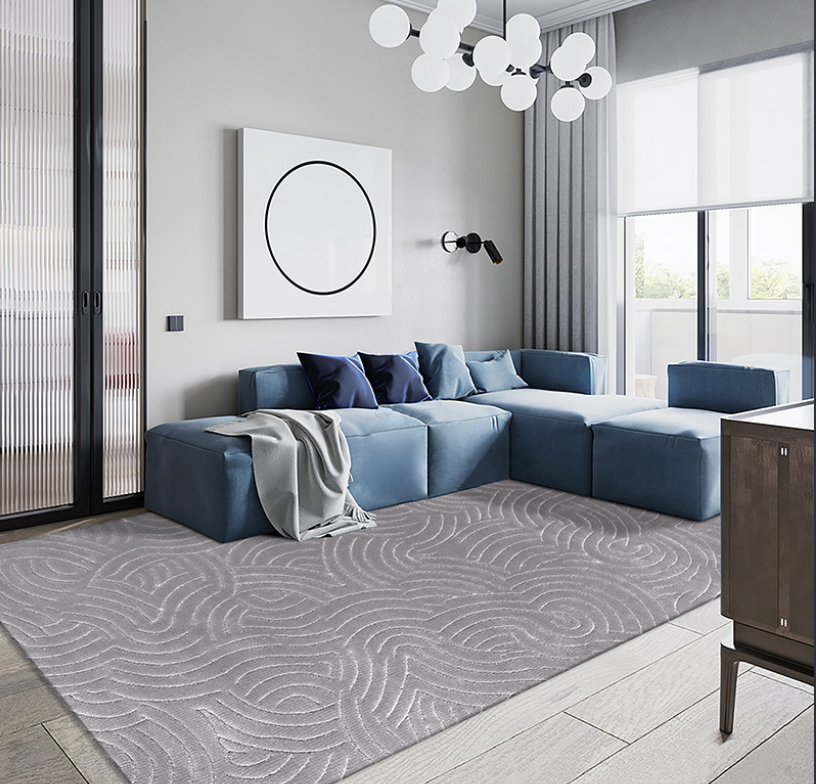
In a living room, a rug may sit beneath all furniture legs or only the front legs of sofas and chairs. In a dining room, the rug should generally extend far enough beyond the table to accommodate chairs when they are pulled out.
For bedrooms, rugs can be positioned beneath the bed or placed along either side, depending on the room dimensions and preferred layout.
Check the Rug Material
Material affects texture, appearance, maintenance, and how a rug responds to regular use.
Wool is commonly used because it offers a soft texture and works in many residential spaces. Cotton rugs are often lighter and may be easier to move. Synthetic fibres can offer practical options for areas where regular cleaning is important.
Natural plant fibres, such as jute and sisal, provide a more textured surface and can complement simple interiors.

Match the Material to the Room
Consider how frequently the room is used.
A rug placed in a busy living room or hallway may need to handle more foot traffic than one in a guest bedroom. Homes with children or pets may also require materials that are easier to maintain.
Before purchasing, review the manufacturer's cleaning and care instructions to determine whether the material fits your routine.
Look at Rug Construction
Construction can affect the texture, thickness, appearance, and maintenance requirements of a rug.
Hand-knotted, hand-tufted, flatwoven, and machine-made rugs each have different characteristics. Rather than choosing based on the construction name alone, consider how the rug feels and how it will function in your space.
Check the Pile Height
Pile height refers to the thickness or length of the rug fibres.
Low-pile rugs are generally easier to place beneath furniture and doors. They may also be practical in areas that receive frequent foot traffic.
Higher-pile rugs provide a softer surface but may require more regular cleaning. Check whether nearby doors can open freely over the rug before deciding on a thicker design.
Choose Colours That Work With the Room
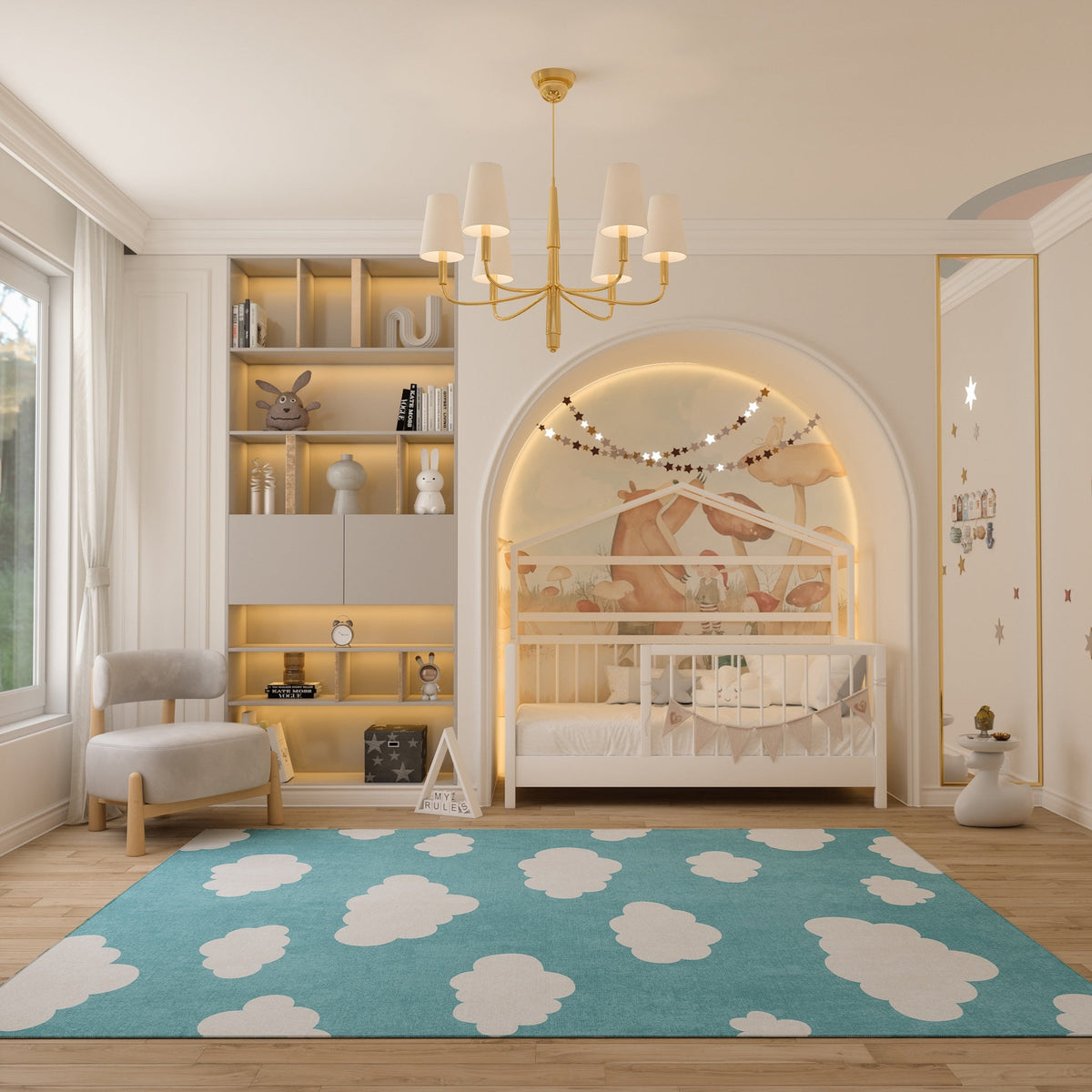
A rug covers a considerable amount of visible floor space, so its colour can influence the overall appearance of the room.
Look at existing wall colours, furniture, curtains, flooring, and decorative accessories. The rug does not have to match these elements exactly. Instead, select colours that create a natural connection with the existing palette.
Lighter rugs can make a room feel more open, while darker colours may create stronger visual definition.
Consider Pattern and Scale
Patterns can introduce character and help connect different colours within a room.
If the furniture and curtains already contain detailed patterns, a simpler rug may provide visual balance. If most of the furniture is plain, a patterned rug can add more detail to the floor.
Compare Pattern Size With Room Size
The scale of a pattern also matters.
Large patterns are easier to see across open floor areas, while smaller repeating designs can provide more detailed visual texture. Consider how much of the rug will remain visible once furniture is placed over it.
Always view a sample or detailed image of the complete rug where possible, as a small product image may not show how the pattern repeats across the full surface.
Check Cleaning and Maintenance Requirements
Maintenance should be considered before purchasing rather than after the rug is installed.
Check whether the rug requires professional cleaning, spot cleaning, vacuuming, or another care method. Some materials may also be sensitive to moisture or direct sunlight.
For dining rooms, entryways, and family living spaces, consider how easily spills, dirt, and everyday marks can be managed.
Decide Whether You Need a Rug Pad
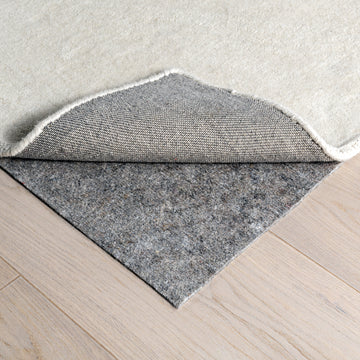
A rug pad sits beneath the rug and can provide additional cushioning while helping reduce movement on smooth flooring.
The appropriate pad depends on the rug and flooring type. Check the manufacturer's recommendations, particularly when placing rugs over hardwood, laminate, tile, or other finished surfaces.
A correctly sized pad should remain hidden beneath the rug rather than extending beyond its edges.
Review the Rug in Different Lighting
Colours can appear different depending on lighting conditions.
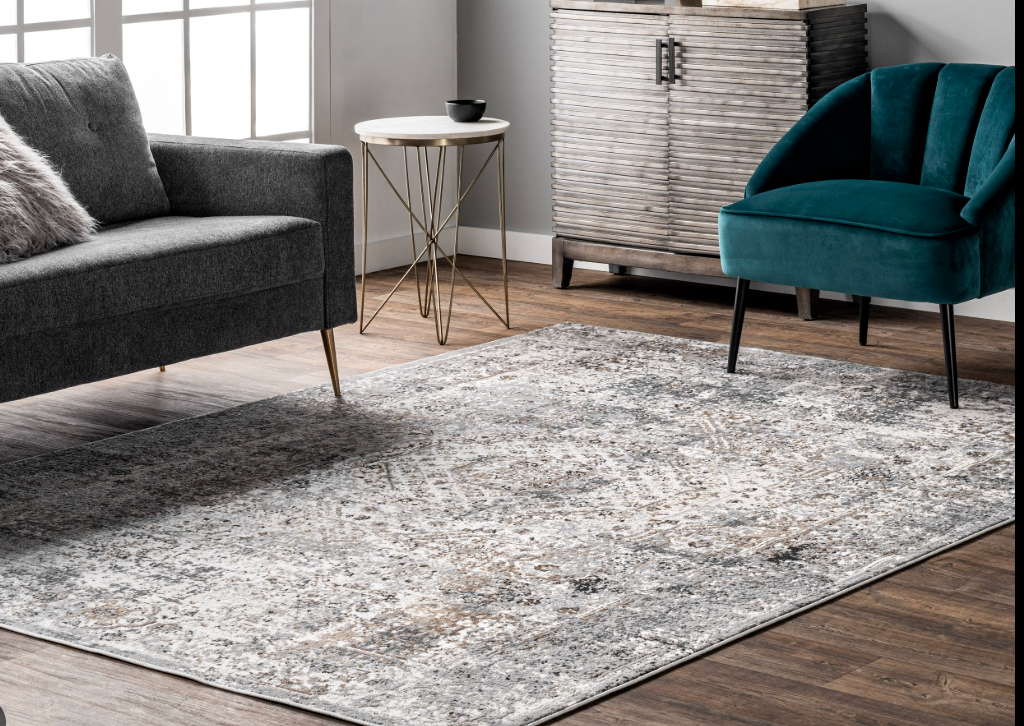
Natural daylight, warm indoor lighting, and cooler artificial lighting can change how a rug's colours appear. If samples are available, view them in the intended room at different times of day.
Also consider how the rug looks alongside the flooring, as wood tones, tiles, and other surfaces can affect the appearance of its colours.
Final Thoughts
Following General Advice for Buying a Rug What to Check First helps you look beyond colour and design when comparing options. Start with accurate measurements, then consider furniture placement, material, construction, pile height, maintenance, and lighting.
A rug should work with both the appearance of the room and the way the space is used. Taking time to check these practical details before purchasing can help you select a rug that fits naturally into the room and remains suitable for everyday use.