


Living Room Rug Ideas That Actually Work: Sizing, Colour & Placement
A rug can change how a living room looks and feels. Beyond adding comfort underfoot, it can define a seating area, connect furniture, introduce color, and make a large room feel more structured. However, choosing a rug based only on its pattern or appearance can lead to problems with proportion and placement.
The most useful living room rug ideas that actually work: sizing, colour & placement principles begin with the room itself. Consider its dimensions, furniture arrangement, existing colours, foot traffic, and everyday use before deciding on a rug.
This article explains how to select a living room rug that fits naturally into the space while remaining practical for daily life.
Why the Right Living Room Rug Matters
A living room usually contains several large visual elements, including a sofa, chairs, coffee table, television unit, and storage furniture. A rug helps bring these separate pieces together.
When appropriately sized and positioned, a rug can make the seating arrangement feel intentional. It can also add warmth to rooms with tile, wood, or stone flooring and help soften sound in larger spaces.
An incorrectly sized rug, on the other hand, can make furniture appear disconnected. This is why size and placement should usually be considered before color and pattern.

How to Choose the Right Living Room Rug Size
Rug size is one of the most important decisions when planning a living room. Instead of choosing a standard size first, measure the seating area and determine how much floor coverage is appropriate.
Measure the Room and Seating Area
Start by measuring the length and width of the room. Then measure the area occupied by the sofa, chairs, and coffee table.
Use painter's tape to mark the proposed rug dimensions on the floor. This simple step makes it easier to understand how a particular rug size will relate to the furniture before making a purchase.
Avoid selecting a rug that only fits beneath the coffee table unless the room is particularly small. In many living rooms, this can make the rug look separate from the main seating arrangement.
Consider Furniture Proportions
The rug should generally extend beyond the coffee table and connect visually with the larger pieces of furniture.
For a compact living room, placing the front legs of the sofa and chairs on the rug often works well. In a larger room, a rug that accommodates all the main seating furniture can create a clearly defined conversation area.
Leave some visible flooring around the rug where possible. This creates separation between the rug and walls and helps maintain balanced proportions.
Living Room Rug Placement Ideas
Placement depends largely on room dimensions and furniture configuration. There is no single arrangement suitable for every home, but a few approaches work in many layouts.
Front Legs on the Rug
Placing the front legs of the sofa and chairs on the rug is a practical option for small and medium-sized living rooms. It connects the furniture without requiring an oversized rug.
Try to keep the amount of rug underneath each major furniture piece reasonably consistent. Uneven placement can make the seating arrangement look unbalanced.
All Furniture on the Rug
For spacious living rooms or open-plan layouts, placing the entire seating arrangement on one large rug can help define the living zone.
The rug should extend beyond the sofa and chairs rather than ending directly beneath their legs. This gives the arrangement enough visual space and prevents the rug from appearing undersized.
Centering Around the Coffee Table
In smaller rooms where a large rug is not practical, a rug may be centered beneath the coffee table. If using this approach, choose dimensions that relate clearly to the sofa rather than selecting a very small decorative rug.
Choosing the Right Rug Color
Once the appropriate dimensions and placement are clear, consider color. A living room rug does not necessarily need to match every piece of furniture. Instead, it should relate to the broader color palette.
Use Existing Colors as a Reference
Look at the sofa, curtains, walls, cushions, artwork, and flooring. Identify two or three dominant or recurring colors.
A neutral rug can work well when furniture or artwork already contains strong colors. Beige, cream, grey, taupe, and muted earthy shades can provide a calm foundation without competing with other elements.
If the living room is mostly neutral, a rug can introduce a deeper or contrasting shade.
Think About Everyday Maintenance
Color should also be a practical decision. Very light rugs can show stains and dirt more easily, while extremely dark rugs may highlight dust, lint, or pet hair.
For busy households, medium tones, textured surfaces, and subtle multi-color patterns can make everyday marks less noticeable.
Patterns and Textures That Suit Living Rooms
Patterns can add character without requiring major changes to the room. Geometric designs can complement contemporary interiors, while traditional motifs may suit classic or mixed-style spaces.
If the sofa, curtains, and cushions already contain several patterns, consider a simpler rug. If the furniture is mostly plain, a patterned rug can become a stronger visual feature.
Texture matters as well. Flatweave and low-pile rugs are generally easier to clean and allow furniture to sit more evenly. Higher-pile rugs provide a softer feel but may require additional maintenance.
Match the Rug Material to Your Lifestyle
Appearance is only one part of selecting a rug. Material affects durability, cleaning, comfort, and long-term performance.
Wool is valued for softness and durability, while cotton rugs are often lighter and easier to handle. Synthetic materials can be practical in high-traffic households because many options are designed for easier maintenance.
Homes with children or pets may benefit from stain-resistant, low-pile, or washable options. The best material is one that suits how the room is actually used rather than how it looks when newly arranged.
Common Living Room Rug Mistakes to Avoid
One of the most common mistakes is choosing a rug that is too small for the furniture arrangement. Another is selecting a color without considering flooring, upholstery, and natural light.
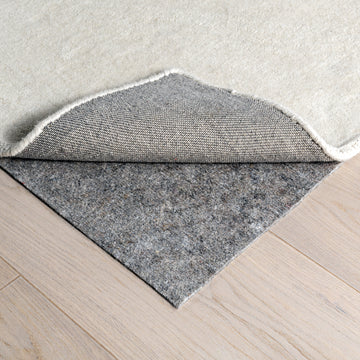
Avoid blocking doors or placing thick rug edges where they may interfere with movement. Rugs positioned on smooth flooring should also be properly secured to reduce slipping or movement.
Finally, do not treat the rug as an isolated decorative item. It should work with the furniture layout and overall proportions of the room.
Final Thoughts
Successful living room rug selection comes down to proportion, placement, colour, and practicality. Start by measuring the room and furniture, determine how the rug will connect the seating area, and then choose colours and materials that suit the existing interior.
The most effective living room rug ideas that actually work: sizing, colour & placement are not based solely on current design trends. A well-chosen rug should fit the room, support everyday use, and create a comfortable connection between the main elements of the living space.


