

A Guide to Creating Your Perfect Custom Rug
Designing a rug that aligns with your interior style can transform the way a space looks and feels. While ready-made options are widely available, custom rugs offer a more precise approach to achieving the right balance of design, size, and comfort. This article serves as A Guide to Creating Your Perfect Custom Rug, helping you make informed decisions from concept to placement.
Why Choose a Custom Rug?
A custom rug allows you to tailor every element according to your space and preferences. Unlike standard rugs, it ensures better alignment with your furniture layout and room dimensions.
Key Advantages
- Perfect Fit: Custom sizing eliminates gaps or overcrowding
- Design Control: Choose patterns, colors, and textures that match your décor
- Material Flexibility: Select materials based on durability and comfort
- Long-Term Value: High-quality customization often lasts longer
Choosing a custom rug is especially useful for irregular room layouts or specific design themes where standard options fall short.
Selecting the Right Size and Shape
The size of your rug plays a critical role in defining the layout of your room. A poorly sized rug can disrupt visual balance, while the right dimensions can enhance it.
Common Size Guidelines
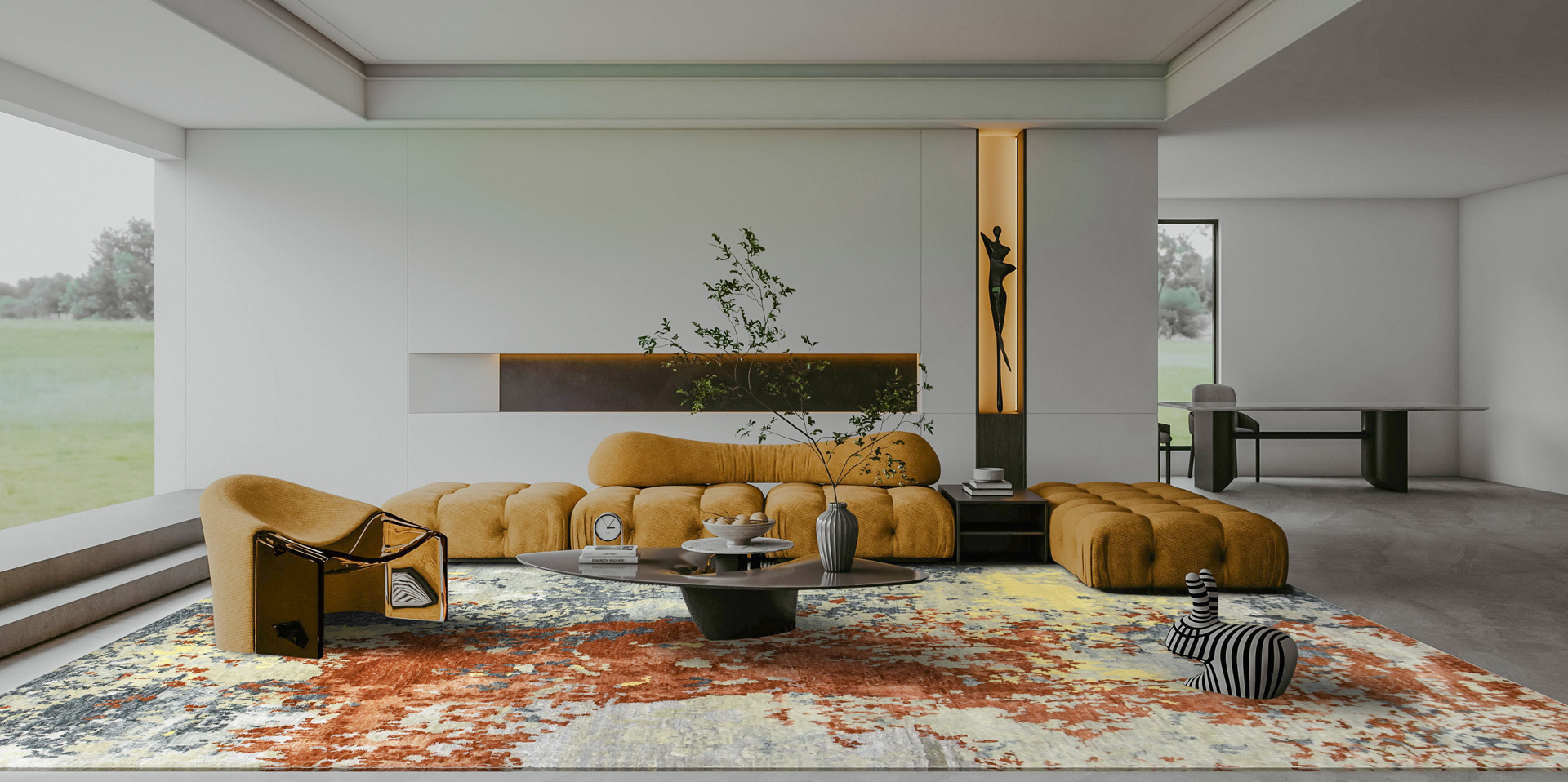
- Living Room: Ensure the rug extends under major furniture pieces
- Dining Area: The rug should be large enough to accommodate chairs when pulled out
- Bedroom: Place the rug under the bed, extending outward for symmetry
Choosing the Shape
- Rectangular: Suitable for most rooms
- Round: Works well in compact or focal areas
- Runner Rugs: Ideal for hallways and narrow spaces
When planning, measure your space carefully to avoid resizing issues later.
Choosing Materials for Your Custom Rug
Material selection affects durability, texture, and maintenance. Understanding different options helps in choosing the right rug for your lifestyle.
Popular Material Options
- Wool: Known for durability and softness
- Cotton: Lightweight and easy to clean
- Silk: Offers a refined finish but requires careful maintenance
- Synthetic Fibers: Budget-friendly and stain-resistant
Factors to Consider
- Foot Traffic: High-traffic areas need durable materials
- Maintenance Needs: Some materials require regular care
- Climate Suitability: Choose materials that suit your environment
Selecting the right material ensures your rug maintains its appearance over time.
Designing Patterns and Colors
The design of your rug should complement your existing interior elements. Colors and patterns can either blend with the décor or act as a focal point.
Color Selection Tips
- Match tones with existing furniture and walls
- Use neutral shades for flexibility
- Choose bold colors for statement pieces
Pattern Considerations
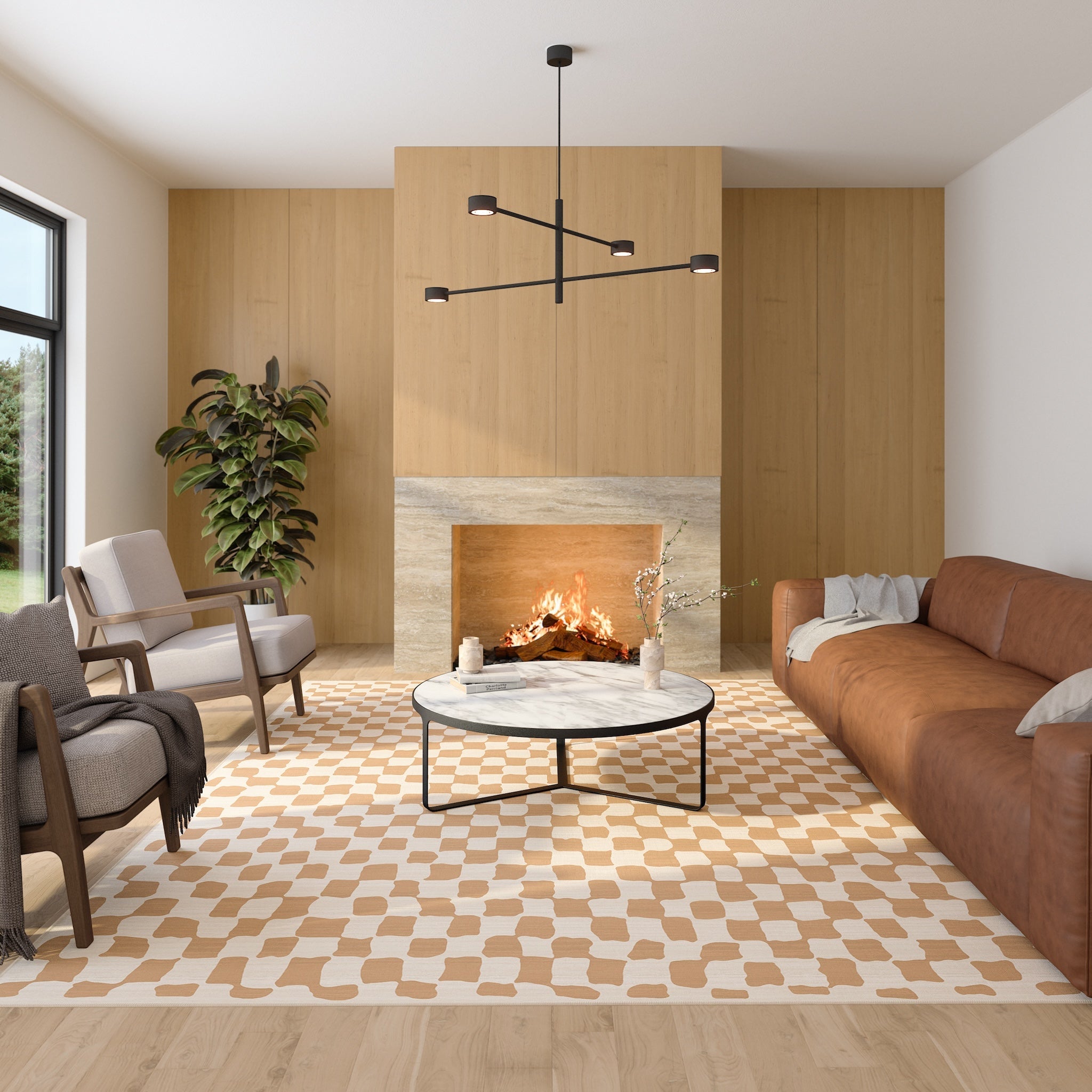
- Geometric Patterns: Suitable for modern spaces
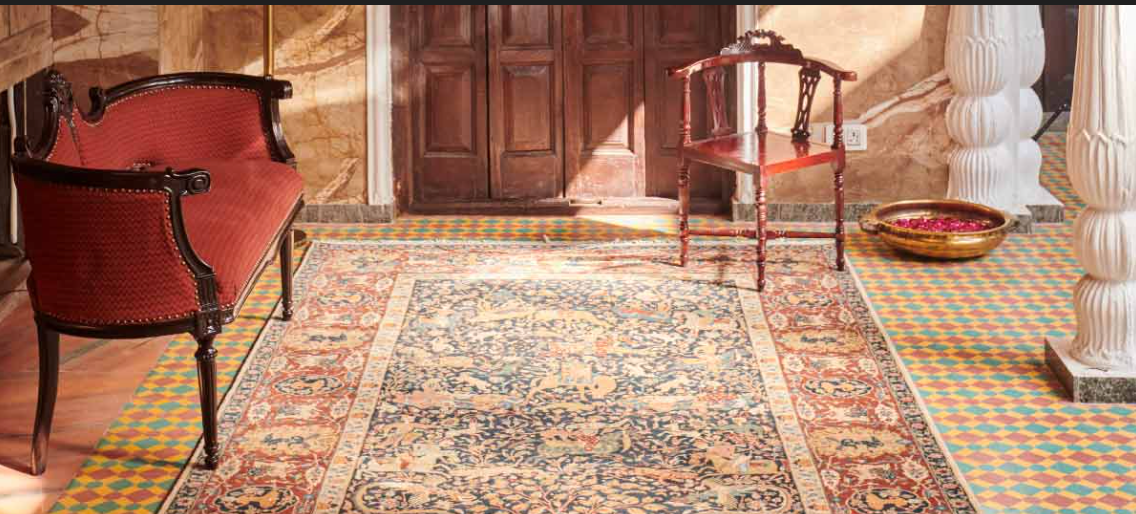
- Traditional Designs: Add depth to classic interiors
- Minimal Patterns: Work well in smaller rooms
Balance is essential when selecting patterns and colors to avoid visual clutter.
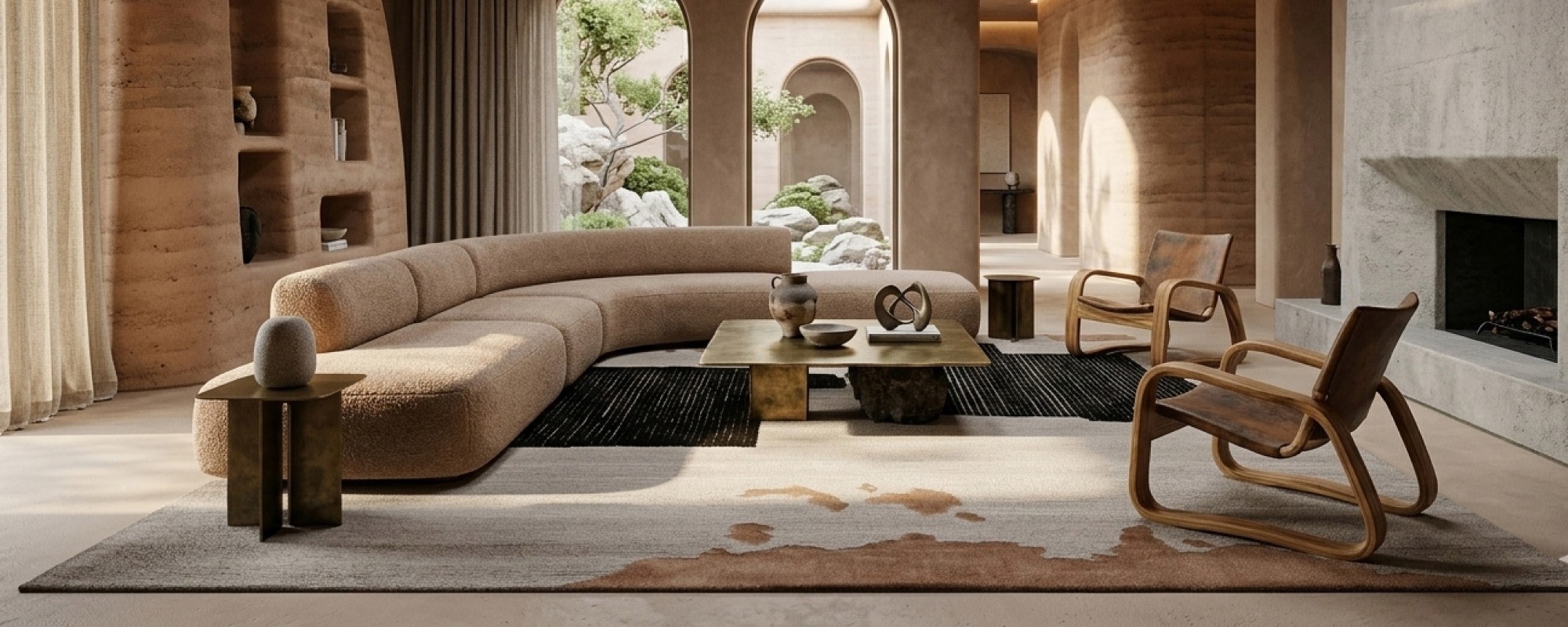
Customization Techniques and Finishing
Beyond design and material, customization includes weaving styles and finishing details that influence the rug’s final appearance.
Weaving Techniques
- Hand-Knotted: High durability and detailed design
- Hand-Tufted: Faster production with good quality
- Machine-Made: Cost-effective and consistent
Finishing Options
- Edge binding for durability
- Fringe detailing for traditional aesthetics
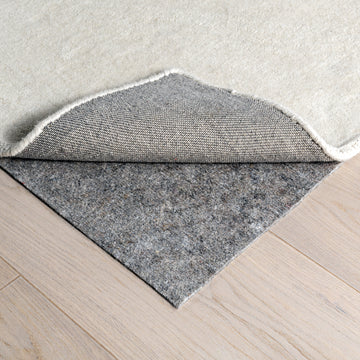
- Backing layers for added support
These elements contribute to both functionality and style.
Placement and Styling Tips
Once your rug is ready, proper placement enhances its impact on the overall space.
Placement Strategies
- Center the rug under main furniture
- Maintain equal spacing on all sides
- Align the rug with room proportions
Styling Ideas
- Layer rugs for added texture
- Pair with cushions and throws for a cohesive look
- Use lighting to highlight design details
Thoughtful placement ensures your rug integrates seamlessly with your interior.
Maintenance and Care
Maintaining your rug helps preserve its quality and appearance over time.
Basic Care Tips
- Vacuum regularly to remove dust
- Rotate the rug to ensure even wear
- Address spills immediately
Long-Term Care
- Professional cleaning when required
- Avoid prolonged exposure to direct sunlight
- Use rug pads to prevent slipping
Consistent care extends the lifespan of your custom rug.
Final Thoughts
Creating a rug tailored to your needs involves careful planning and attention to detail. From selecting the right size and material to choosing patterns and placement, every step contributes to the final outcome. By following A Guide to Creating Your Perfect Custom Rug, you can design a piece that not only fits your space but also enhances its overall appeal.