

Rug Placement: A Designer’s Guide to Layout and Size
Choosing the right rug does more than add color or texture to a room. Proper placement and sizing play a key role in defining spaces, improving comfort, and creating visual balance. Many interiors feel incomplete not because of furniture choices but due to incorrect rug placement. This article serves as Rug Placement: A Designer’s Guide to Layout and Size, offering clear, practical guidance for different rooms in the home.
Understanding how rugs interact with furniture and room dimensions helps achieve a well-structured interior that feels intentional rather than accidental.
Why Rug Placement Matters in Interior Design
Rugs act as visual anchors. They help organize furniture, guide movement, and establish boundaries, especially in open layouts. When a rug is too small or poorly positioned, furniture can appear disconnected, making the room feel unfinished.
Correct rug placement also affects comfort and functionality. A well-sized rug provides warmth underfoot, reduces noise, and protects flooring. Most importantly, it ties individual elements together into a cohesive whole.
General Principles of Rug Layout and Size
Before choosing room-specific layouts, it is important to understand a few universal guidelines.
Choose Size Before Style
A common mistake is selecting a rug based on appearance alone. Size should always come first. A rug that is too small will disrupt balance, even if the design is appealing.
Leave Consistent Border Space
In most rooms, leaving 8–12 inches of visible floor between the rug edge and walls helps maintain proportion. This frame keeps the rug from overwhelming the space.
Anchor Furniture Intentionally
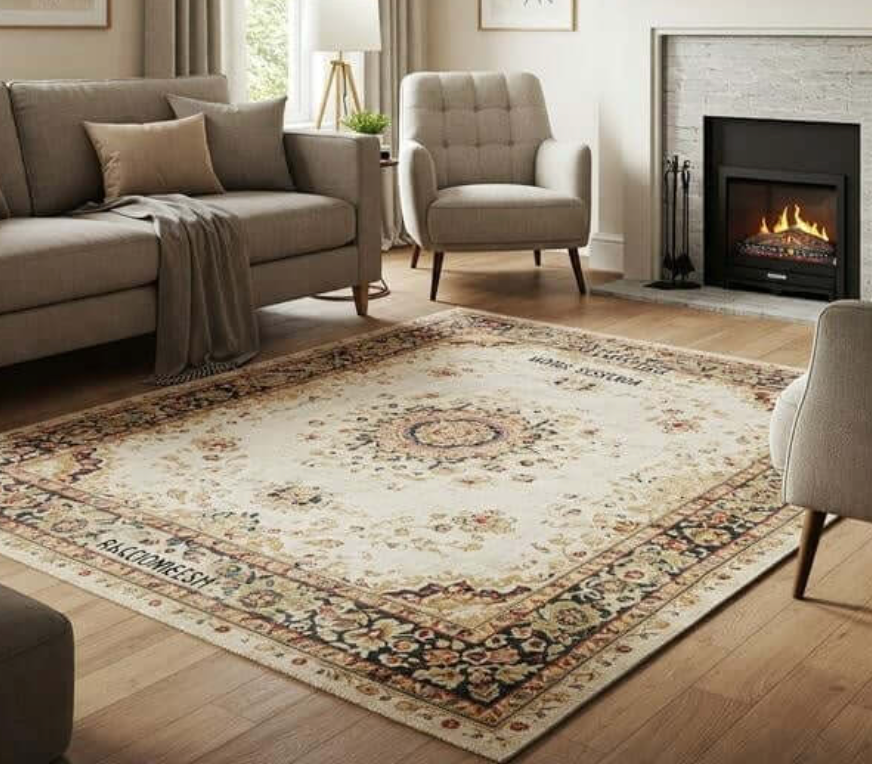
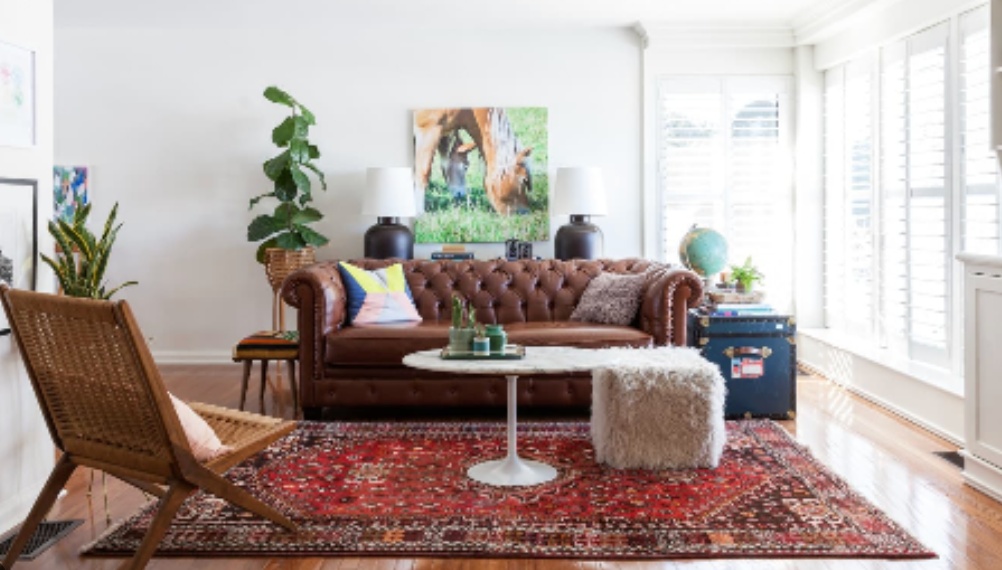
At least the front legs of major furniture pieces should rest on the rug whenever possible. This creates visual connection and stability.
Living Room Rug Placement Guidelines
The living room is where rug placement errors are most noticeable.
All Legs on the Rug
For larger living rooms, placing all furniture legs on the rug creates a unified seating area. This layout works well for formal or spacious settings.
Front Legs Only
In medium-sized rooms, placing just the front legs of sofas and chairs on the rug provides balance without requiring oversized rugs.
Avoid Floating Rugs
A rug placed in the center without touching furniture often looks disconnected. The rug should always relate directly to the seating arrangement.
Dining Room Rug Placement Tips
Dining areas require extra attention due to furniture movement.
Allow Space for Chairs
The rug should extend at least 24 inches beyond the table on all sides. This ensures chairs remain on the rug even when pulled out.
Match Rug Shape to Table Shape
Rectangular tables pair best with rectangular rugs, while round tables work well with round rugs. Matching shapes enhances symmetry and flow.
Focus on Durability
Flat-weave or low-pile rugs are practical choices for dining rooms, as they are easier to clean and maintain.
Bedroom Rug Placement and Layout Options
Rugs in bedrooms add comfort and softness, especially near the bed.
Large Rug Under the Bed
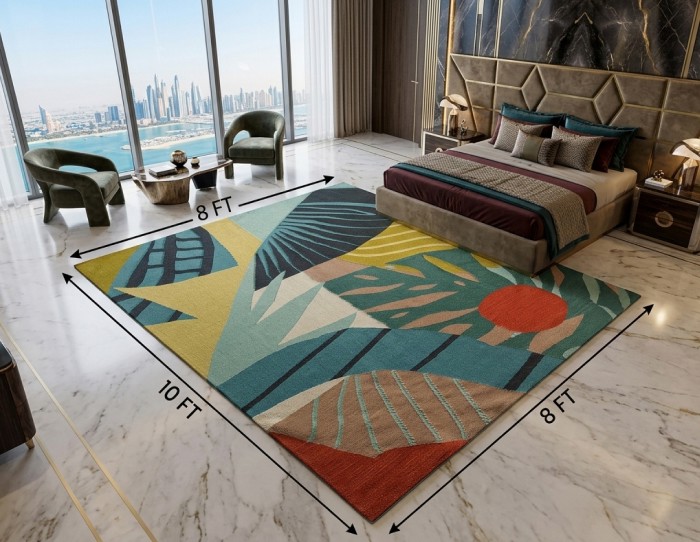
Placing a large rug under the bed, extending on all sides, creates a balanced and inviting look. Ideally, the rug should extend at least 18–24 inches beyond the bed frame.
Two-Thirds Placement
Positioning the rug under the lower two-thirds of the bed is a common designer approach. It frames the bed while keeping the head area free.
Runner Alternatives
For smaller bedrooms, runners placed on each side of the bed offer comfort without requiring a full-size rug.
Rug Placement in Open Floor Plans
Open layouts benefit greatly from thoughtful rug placement.
Define Separate Zones
Use rugs to distinguish areas such as seating, dining, or workspaces. Each rug should align with the furniture within its zone.
Maintain Visual Consistency
While rugs can vary in pattern, they should share similar tones or textures to prevent visual clutter.
Avoid Overlapping
Rugs should not overlap or touch each other. Clear separation maintains structure within open spaces.
Common Rug Placement Mistakes to Avoid
Even well-furnished rooms can feel off due to simple rug errors.
Choosing Rugs That Are Too Small
This is the most frequent issue. When in doubt, size up rather than down.
Ignoring Furniture Alignment
Rugs should align with furniture layouts, not float independently.
Overcrowding the Space
Using too many rugs in a small area can make the room feel fragmented.
Final Thoughts on Rug Layout and Size
Successful rug placement requires attention to proportion, furniture alignment, and room function. When chosen and positioned correctly, rugs enhance comfort while strengthening the overall design structure.
By following the principles outlined in Rug Placement: A Designer’s Guide to Layout and Size, homeowners and designers alike can create interiors that feel balanced, cohesive, and practical. A well-placed rug does not demand attention; it quietly supports the room, allowing every element to work together naturally.