


Difference Between Rug and Carpet: Size, Material & Maintenance Guide
Rugs and carpets are commonly used to improve comfort, appearance, and insulation inside a home. Although the terms are sometimes used interchangeably, rugs and carpets differ significantly in size, installation, materials, maintenance requirements, and overall usage.
Understanding the Difference Between Rug and Carpet: A Size, Material & Maintenance Guide can help homeowners choose the right floor covering based on their room size, cleaning preferences, budget, and interior design requirements.
While rugs are generally movable and cover only a selected portion of the floor, carpets are typically installed across an entire room. Both options offer practical benefits, but the right choice depends on how and where they will be used.
What Is a Rug?
A rug is a piece of textile floor covering designed to cover a specific section of a floor rather than the entire surface. Rugs are available in different shapes, including rectangular, square, round, and runner styles.
They are commonly placed in living rooms, bedrooms, dining areas, hallways, and entryways. Since rugs are not permanently attached to the floor, they can be moved, replaced, or cleaned relatively easily.
Rugs are also frequently used to define areas within open-plan interiors. For example, a large rug can visually separate a seating area from a dining space without requiring structural changes.
Common Rug Materials
Rugs are made using several natural and synthetic materials. Wool is widely used because of its softness, insulation, and durability. Cotton rugs are often lighter and easier to wash, while jute and sisal rugs provide a natural texture.
Synthetic options such as polyester, nylon, and polypropylene are also common. These materials may offer greater resistance to stains and moisture, making them suitable for households with children or pets.
What Is a Carpet?
A carpet is a floor covering that usually extends across an entire room and is fixed to the floor. It may be installed using adhesives, tack strips, or other fitting methods depending on the flooring system.
Carpets are commonly used in bedrooms, living rooms, offices, hotels, and other indoor spaces where warmth and comfort are important.
Because carpeting covers a larger area than a rug, it can provide consistent insulation and reduce noise across the entire room.
Common Carpet Materials
Carpets are commonly manufactured from wool, nylon, polyester, polypropylene, or blended fibres.
Wool carpets are valued for their natural appearance and durability, while nylon is often selected for areas with heavier foot traffic. Polyester carpets may provide a softer surface, while polypropylene is often chosen for its resistance to stains and moisture.
The material selected can influence the carpet's appearance, comfort, durability, maintenance needs, and price.
Difference Between Rug and Carpet Based on Size
Size is one of the clearest differences between rugs and carpets.
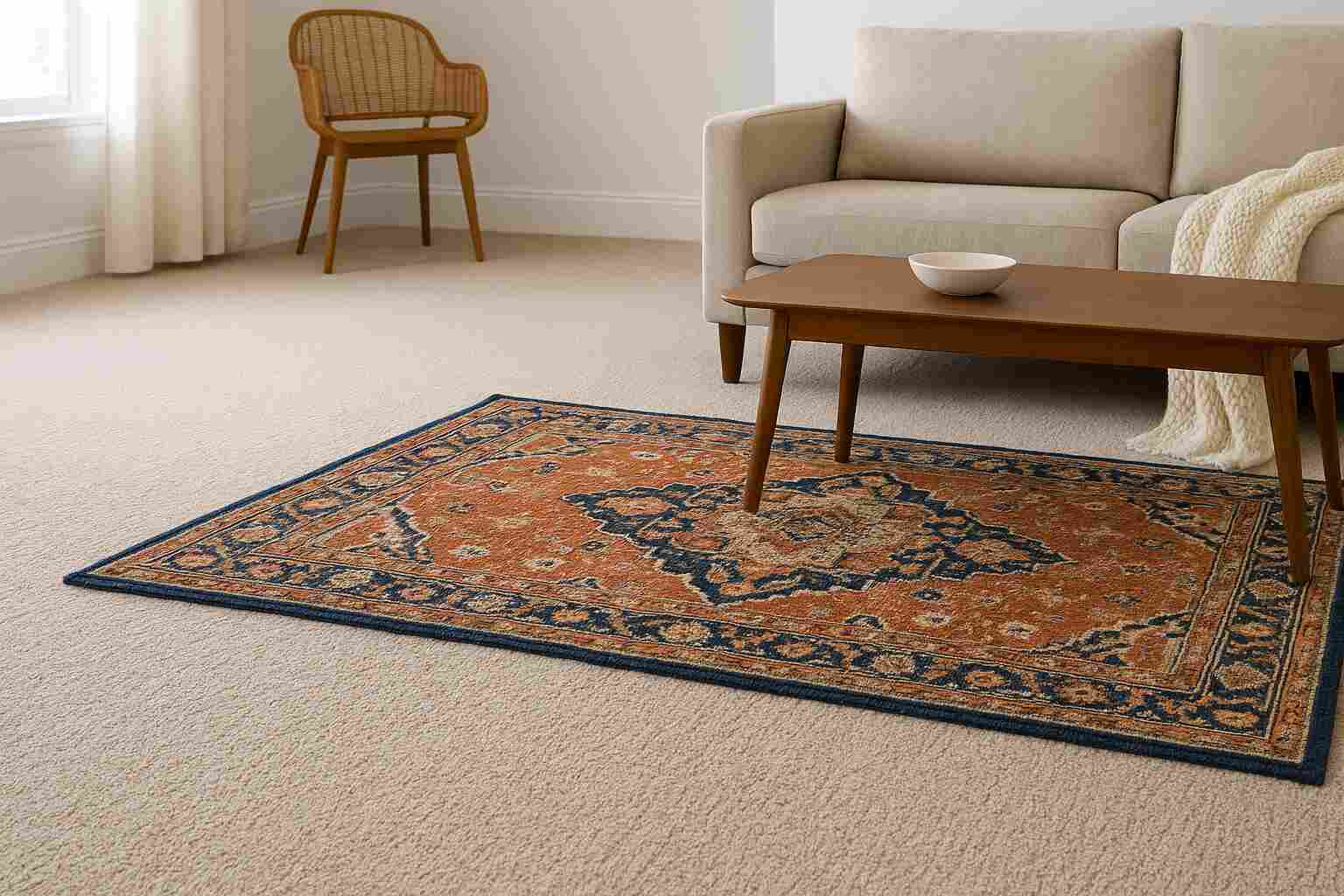
Rugs generally cover only part of a floor. They may be positioned beneath furniture, beside a bed, along a hallway, or in the centre of a seating area.
Carpets, on the other hand, are usually measured and cut to cover an entire room from wall to wall.
This means rugs provide greater flexibility when changing room layouts, while carpets create a more uniform flooring appearance.
Rug vs Carpet Installation
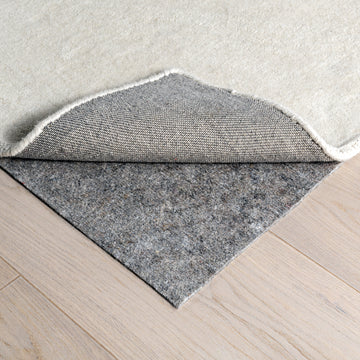
Rugs generally require little or no installation. They can simply be placed on the floor, although a rug pad or anti-slip mat may be used underneath to improve stability.
Carpets require a more structured installation process. Measurements must usually be taken before the carpet is cut and fitted. Depending on the type of carpet, professional installation may be preferable to ensure proper alignment and secure fitting.
For people who frequently update their interiors, rugs may therefore be more convenient.
Rug vs Carpet Maintenance
Maintenance requirements are another important factor when comparing rugs and carpets.
Many smaller rugs can be shaken outside, vacuumed, spot-cleaned, or professionally washed. Some cotton and synthetic rugs may even be machine washable depending on the manufacturer's instructions.
Carpets require regular vacuuming because dust, dirt, pet hair, and other particles can accumulate across the larger surface.
Periodic deep cleaning may also be required to remove embedded dirt and stains.
Which Is Easier to Clean?
In most situations, rugs are easier to clean because they can be moved from their location. Smaller rugs can sometimes be cleaned separately without affecting the rest of the room.
Carpets cannot usually be removed for routine cleaning, which means stains and spills need to be treated while the carpet remains installed.
Rug vs Carpet Durability
Durability depends largely on the quality of the material, construction, foot traffic, and maintenance.
A high-quality rug can last many years when properly maintained. Rugs placed in heavily used areas may experience faster wear but can easily be rotated or replaced.
Carpets can also remain in good condition for several years, particularly when made from durable fibres and properly maintained.
However, replacing damaged wall-to-wall carpeting may require more work and expense than replacing a single rug.
Difference in Cost Between Rugs and Carpets
The cost of both rugs and carpets varies considerably depending on material, craftsmanship, size, design, and brand.
A small or medium-sized rug may involve a lower initial cost because it covers less floor space. Handmade wool rugs, however, can be considerably more expensive than standard machine-made products.
Carpet costs are usually calculated based on the total floor area. Installation charges, underlay, removal of existing flooring, and labour may also increase the overall expense.
Where Should You Use Rugs?
Rugs can work well in spaces where flexibility and decorative layering are important.
They are commonly used in living rooms beneath coffee tables, beside beds, under dining tables, and in entrance areas.
Rugs can also protect specific sections of wooden, laminate, or tiled flooring from scratches and regular foot traffic.
Where Should You Use Carpets?
Carpets may be suitable for rooms where comfort, warmth, and noise reduction are priorities.
Bedrooms are a common location because carpeting creates a softer surface underfoot. Living rooms and family rooms may also benefit from the additional insulation provided by carpet.
Carpets are particularly useful in colder environments where reducing heat loss through floors can improve indoor comfort.
Rug or Carpet Which One Should You Choose?
Choosing between a rug and carpet depends on your lifestyle and room requirements.
A rug may be a better option if you want flexibility, easier cleaning, visible flooring, or the ability to change interior styles regularly.
Carpet may be more appropriate if you prefer continuous floor coverage, additional insulation, softer flooring, and consistent noise reduction.
Households with pets or young children may also want to consider how easily stains can be cleaned before selecting either option.
Conclusion
Although rugs and carpets perform similar functions, they differ considerably in size, installation, cleaning requirements, cost, and flexibility.
Rugs are generally movable, easier to replace, and designed to cover selected areas of a room. Carpets normally provide wall-to-wall coverage and offer consistent warmth, comfort, and sound insulation.
Understanding the difference between rug and carpet allows you to select a floor covering that fits your room dimensions, lifestyle, maintenance preferences, and budget. Evaluating material quality and expected foot traffic before purchasing can also help ensure that your chosen floor covering remains practical and visually suitable for years.


