


Choosing Neutral vs Bold Rug Colors: What Works Better?
Rugs play a defining role in interior design. They influence how a room feels, how colors interact, and how furniture is visually anchored within a space. Homeowners often face a common design decision: whether to select a neutral rug that blends effortlessly or a bold rug that adds character and contrast. Choosing Neutral vs Bold Rug Colors: What Works Better? depends on room size, design intent, lifestyle needs, and long-term flexibility. This guide provides a structured comparison to help you make an informed decision.
Understanding Neutral Rug Colors
What Counts as a Neutral Rug?
Neutral rugs typically include shades such as beige, ivory, cream, gray, taupe, and muted earth tones. These colors are widely used because they integrate smoothly with various interior styles and color palettes.
Advantages of Neutral Rugs
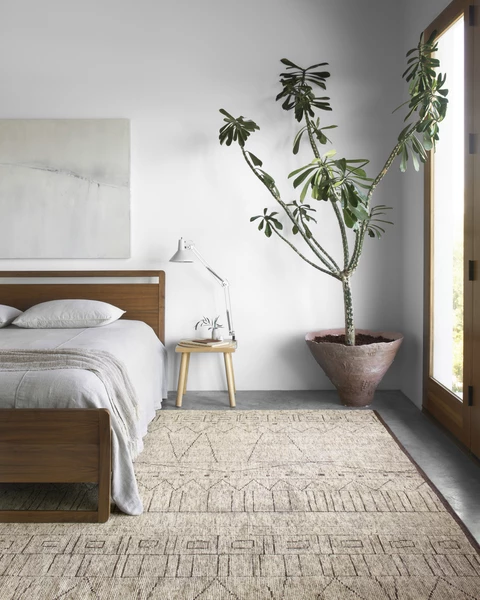
Neutral rugs create visual balance. They allow furniture, artwork, or architectural details to stand out without competing for attention. In smaller rooms, neutral tones can make spaces feel larger and more open. They also perform well in homes where décor elements change frequently, as they adapt easily to new furniture or wall colors.

Another practical benefit is longevity. Neutral rugs tend to remain visually relevant over time and are less affected by changing design trends. For high-traffic areas such as living rooms and hallways, neutral rugs also conceal wear, dust, and minor stains more effectively.
Limitations of Neutral Rugs
While versatile, neutral rugs can sometimes appear understated or flat if not layered thoughtfully. In rooms with minimal texture or contrast, they may lack visual depth. Achieving interest with neutral rugs often requires careful coordination with materials, patterns, and lighting.
Understanding Bold Rug Colors
What Defines a Bold Rug?
Bold rugs feature strong colors such as deep blues, emerald greens, reds, mustard tones, or high-contrast patterns. These rugs are designed to draw attention and act as a focal point within a room.
Advantages of Bold Rugs
Bold rugs introduce personality and energy into a space. They can anchor open-plan layouts, define seating zones, and add structure to rooms with neutral furniture. In minimalist interiors, a bold rug provides visual interest without the need for additional décor elements.

They are also effective for expressing individual style. A bold rug can communicate warmth, creativity, or formality depending on its color and pattern. In neutral rooms, it becomes a design statement that sets the tone of the space.
Limitations of Bold Rugs
Bold rugs require careful planning. Strong colors may clash with existing furniture or wall finishes if not coordinated properly. They can also limit future décor changes, as replacing surrounding elements may be necessary to maintain balance.
In smaller rooms, bold rugs may visually shrink the space if the color is too intense. Additionally, wear and fading can be more noticeable on darker or saturated hues over time.
Room-by-Room Considerations
Living Rooms
Neutral rugs work well in living rooms with layered furniture, artwork, and varied textures. They support a calm and cohesive atmosphere. Bold rugs suit living rooms with simple layouts, where the rug can serve as a visual anchor without overcrowding the space.
Bedrooms
Neutral rugs are generally preferred in bedrooms due to their calming effect. Soft tones contribute to a relaxed environment. Bold rugs can work in bedrooms with restrained color schemes, but they should complement rather than dominate the space.

Dining Areas
In dining spaces, neutral rugs provide flexibility and practicality, especially when paired with statement dining furniture. Bold rugs can be effective in formal dining rooms, provided the color does not compete with table finishes or wall décor.
Lifestyle and Maintenance Factors
Households with children or pets often benefit from neutral rugs with subtle patterns, as they hide stains and wear more effectively. Bold rugs may require more frequent cleaning and careful placement to maintain their appearance.
Maintenance expectations should align with rug choice. If easy upkeep and long-term use are priorities, neutral options are generally more forgiving. Bold rugs are better suited to areas where visual impact outweighs practical concerns.
Making the Right Choice
Choosing between neutral and bold rug colors is not about following trends but aligning design choices with function, space, and personal preference. Neutral rugs offer adaptability, balance, and durability. Bold rugs provide character, definition, and visual focus.
When deciding, evaluate the room’s size, lighting, existing color palette, and how often the space may change over time. Both options can work effectively when selected with intention and integrated thoughtfully into the overall design.
Conclusion
There is no universal answer to the neutral versus bold rug debate. Each serves a distinct purpose in interior design. By assessing your space and lifestyle needs, you can select a rug that enhances both form and function, ensuring your interiors remain cohesive, practical, and visually refined over time.