

The Difference Between Indoor And Outdoor Rugs
Rugs play an important role in shaping the comfort, appearance, and functionality of a space. While indoor and outdoor rugs may look similar at first glance, they are designed for different environments and purposes. Understanding the difference between indoor and outdoor rugs can help homeowners choose the right option based on location, weather exposure, maintenance needs, and overall use.
Indoor rugs generally focus more on softness, comfort, and decorative appeal, while outdoor rugs are made to handle moisture, sunlight, dirt, and frequent exposure to changing conditions. The choice between the two depends on where the rug will be placed and how much wear it is likely to experience.
What Are Indoor Rugs?
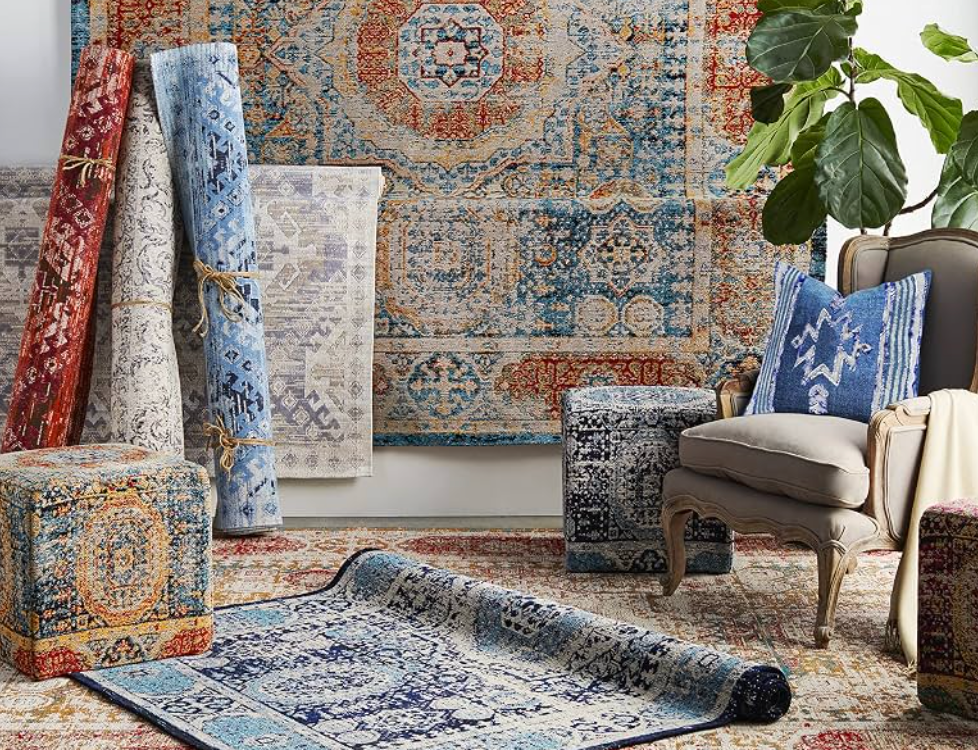
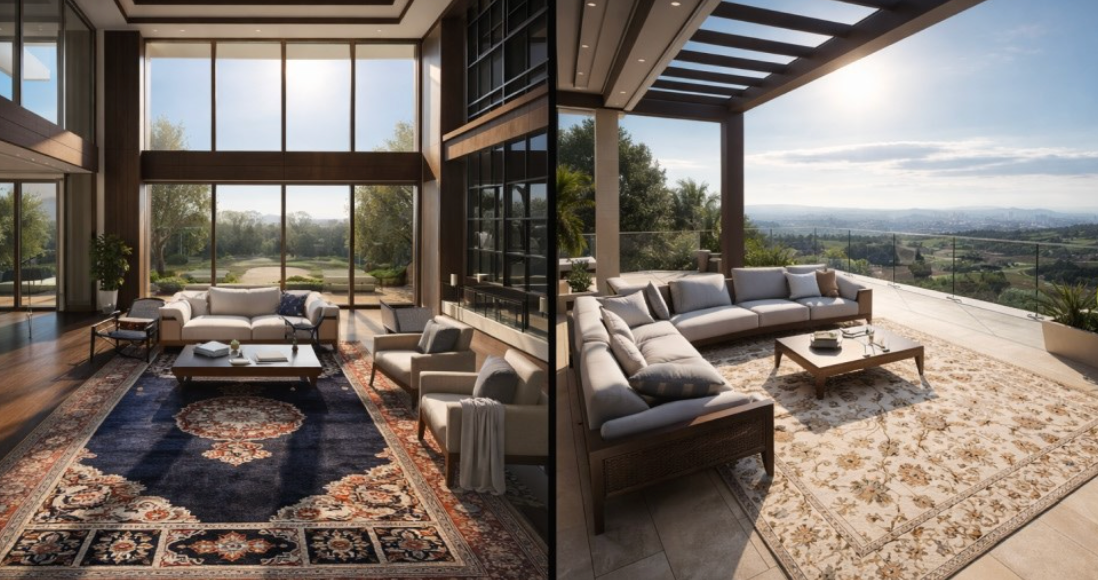
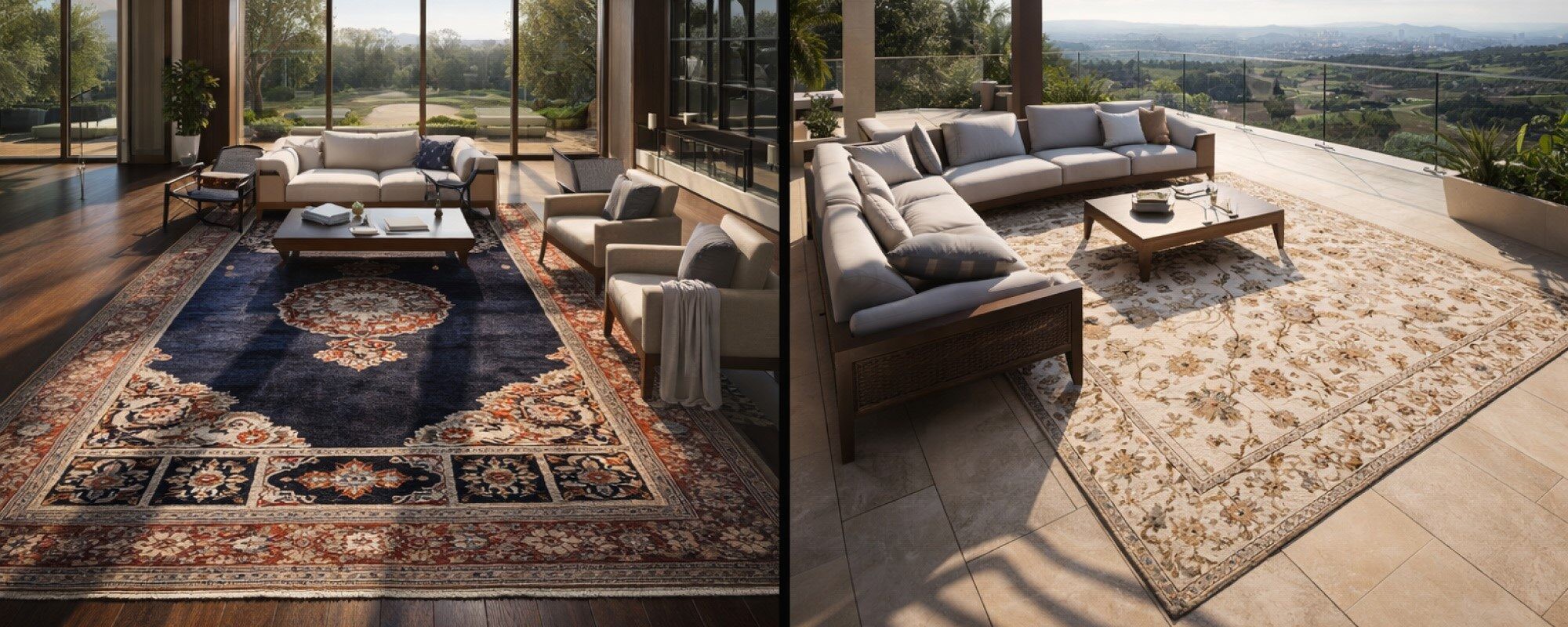
Indoor rugs are designed primarily for interior spaces such as living rooms, bedrooms, dining rooms, hallways, and home offices. They are often made from materials that feel comfortable underfoot and complement interior furniture and décor.
Common indoor rug materials include wool, cotton, silk, viscose, polyester, and different synthetic blends. These materials can provide softness, insulation, and visual texture.
Indoor rugs are generally not designed for prolonged exposure to moisture or direct sunlight. Placing them outdoors may lead to fading, mould, staining, or material deterioration over time.
Key Features of Indoor Rugs
Indoor rugs usually prioritise comfort and appearance. Many designs feature detailed patterns, deeper textures, thicker piles, and softer fibres.
They are also available in a wide variety of styles, including traditional, contemporary, minimalist, geometric, floral, and abstract designs. This makes them suitable for coordinating with different interior themes.
Because indoor rugs are used in controlled environments, manufacturers can use more delicate materials that would not perform well outdoors.
What Are Outdoor Rugs?
Outdoor rugs are specifically designed for patios, balconies, decks, porches, garden seating areas, and other locations that may be exposed to sunlight, moisture, dust, or changing temperatures.
These rugs are commonly made from synthetic materials such as polypropylene, polyester, recycled plastic fibres, or other weather-resistant fabrics. Such materials are easier to clean and less likely to absorb moisture compared with many natural fibres.
Outdoor rugs are also designed to dry relatively quickly, which helps reduce the risk of mildew and unpleasant odours.
Key Features of Outdoor Rugs
The main feature of an outdoor rug is durability. These rugs are generally designed to withstand regular exposure to dirt, sunlight, light rain, and frequent foot traffic.
Many outdoor rugs are also resistant to fading and staining. Their flatter construction makes them easier to sweep, shake, vacuum, or rinse when required.
Although outdoor rugs are built for practical use, they are still available in many colours and patterns, allowing homeowners to create a more finished look in exterior seating and entertaining areas.
The Difference Between Indoor And Outdoor Rugs in Materials
One of the clearest differences between indoor and outdoor rugs is the type of material used.
Indoor rugs may contain natural fibres such as wool or cotton because these materials provide warmth and softness. Wool rugs, for example, are often valued for their comfortable texture and long-lasting appearance when properly maintained.
Outdoor rugs rely more heavily on synthetic fibres because they need to tolerate moisture, sunlight, and dirt.
Polypropylene is a common outdoor rug material because it is relatively resistant to water and stains. Polyester and recycled synthetic fibres are also frequently used.
The material therefore plays a major role in determining where a rug can be used safely and effectively.
Durability and Weather Resistance
Outdoor rugs are usually more resistant to environmental conditions than indoor rugs.
A rug placed outside may experience direct sunlight, humidity, rain, dust, mud, and temperature changes. Outdoor rugs are constructed with these conditions in mind.
Indoor rugs, on the other hand, are designed for relatively stable environments. Excessive moisture can damage fibres, backing materials, and dyes.
For this reason, an indoor rug should generally not be placed in an uncovered outdoor area unless the manufacturer specifically states that it is suitable for both indoor and outdoor use.
Comfort and Texture Differences
Indoor rugs are usually softer and more comfortable underfoot than outdoor rugs.
Bedrooms and living rooms often benefit from rugs with thicker piles because they add warmth and provide a softer surface for walking or sitting.
Outdoor rugs typically have a flatter weave. This helps prevent excessive dirt from becoming trapped between fibres and makes the rug easier to maintain.
The texture may feel firmer than an indoor rug, but this construction is more practical for exterior environments.
Cleaning and Maintenance
Maintenance requirements also highlight The Difference Between Indoor And Outdoor Rugs.
Indoor rugs may require vacuuming, spot cleaning, or professional cleaning depending on the material. Natural fibres can require additional care because excessive water or harsh cleaning agents may cause damage.
Outdoor rugs are generally easier to maintain. Loose dirt can often be removed by sweeping, shaking, or vacuuming the surface.
Some outdoor rugs can also be rinsed with water, although owners should always check the manufacturer's cleaning instructions before doing so.
Proper drying is especially important. Even weather-resistant rugs should not remain wet for extended periods.
Design and Appearance
Indoor rugs typically offer more variety in terms of luxurious textures, intricate patterns, and detailed construction.
Since these rugs are protected from weather exposure, manufacturers can use materials and techniques that prioritise appearance over weather resistance.
Outdoor rugs tend to use simpler or flatter constructions, but modern designs are available in a wide range of colours and patterns.
Homeowners can therefore coordinate an outdoor rug with patio furniture, cushions, planters, and other exterior accessories without giving up practicality.
Can Outdoor Rugs Be Used Indoors?
Yes, outdoor rugs can generally be used indoors.
They can be particularly practical in areas where spills, dirt, or heavy foot traffic are common. Entryways, kitchens, utility rooms, children's activity spaces, and dining areas may benefit from easy-to-clean outdoor rugs.
However, the texture may not feel as soft as a traditional indoor rug.
An outdoor rug may therefore be suitable when durability and maintenance are more important than plush comfort.
Can Indoor Rugs Be Used Outdoors?
Indoor rugs are generally not recommended for outdoor areas unless they are specifically labelled for indoor and outdoor use.
Natural fibres and indoor backing materials may absorb moisture, fade under direct sunlight, or develop mould when repeatedly exposed to damp conditions.
Even covered patios can experience humidity and wind-driven rain.
If the rug will remain outdoors for extended periods, choosing a purpose-made outdoor rug is usually the more practical option.
How to Choose Between Indoor and Outdoor Rugs
The first consideration should be location. Determine whether the rug will be exposed to moisture, direct sunlight, dirt, or temperature changes.
For a living room or bedroom, softness and appearance may be the main priorities. For a patio or balcony, water resistance and easy maintenance are more important.
Also consider foot traffic. High-traffic areas generally require durable materials that can withstand frequent use.
Finally, review the manufacturer's care instructions and intended-use recommendations before purchasing.
Conclusion
Understanding the difference between indoor and outdoor rugs makes it easier to select a rug that suits both the appearance and practical requirements of a space.
Indoor rugs generally provide greater softness, decorative detail, and comfort, making them suitable for protected interior rooms. Outdoor rugs focus more on durability, moisture resistance, fade resistance, and easy cleaning.
Choosing the appropriate rug for the environment can help maintain its appearance, reduce maintenance requirements, and extend its usable life.