

Guide to Choosing Pet-Friendly Rugs
Living with pets often means planning your home around muddy paws, shedding, accidental spills, scratching, and regular cleaning. Rugs can still be a practical part of a pet-friendly home, provided you select materials and designs that can handle everyday activity.
This guide to choosing pet-friendly rugs explains what to consider when selecting a rug for a home with dogs, cats, or other pets. From fibres and pile height to colours and maintenance, several practical factors can help you find a rug that works for both your interior and your pet.
Why Does Choosing a Pet-Friendly Rug Matter?
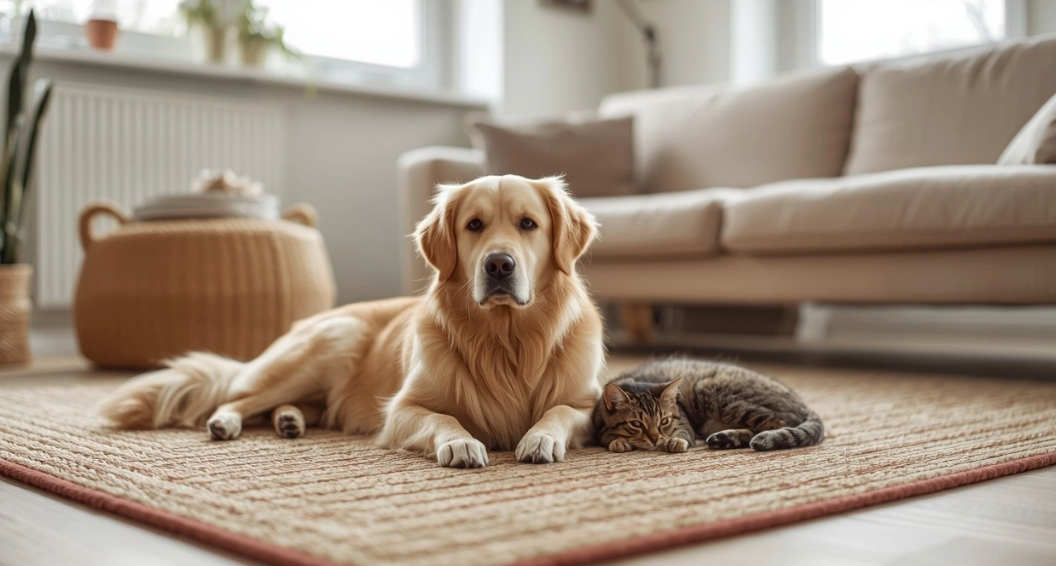
Pets spend considerable time on floors, whether they are playing, sleeping, eating, or simply moving around the house. A suitable rug can provide a comfortable surface while also helping protect hard flooring.
However, not every rug is suited to a household with pets. Delicate fibres, loose loops, and difficult-to-clean materials may require more maintenance. Choosing the right construction from the beginning can make routine cleaning easier and help the rug withstand daily use.
Choose a Practical Rug Material
Material is one of the first considerations when looking for a pet-friendly rug. The fibre affects durability, texture, stain resistance, and cleaning requirements.
Consider Synthetic Fibres
Synthetic rug fibres can be practical for busy households because many are designed to handle frequent use. Materials such as polypropylene and certain polyester rugs are often relatively easy to maintain and can resist everyday stains.
Always check the manufacturer's care instructions, as cleaning requirements can vary depending on the construction and backing.
Evaluate Natural Fibres Carefully
Natural fibres may also be suitable, depending on your pet and household routine. Wool, for example, can offer durability and a comfortable texture but may require more specific cleaning methods.
Other natural materials may absorb moisture quickly, making them less practical in areas where accidents or spills are likely.
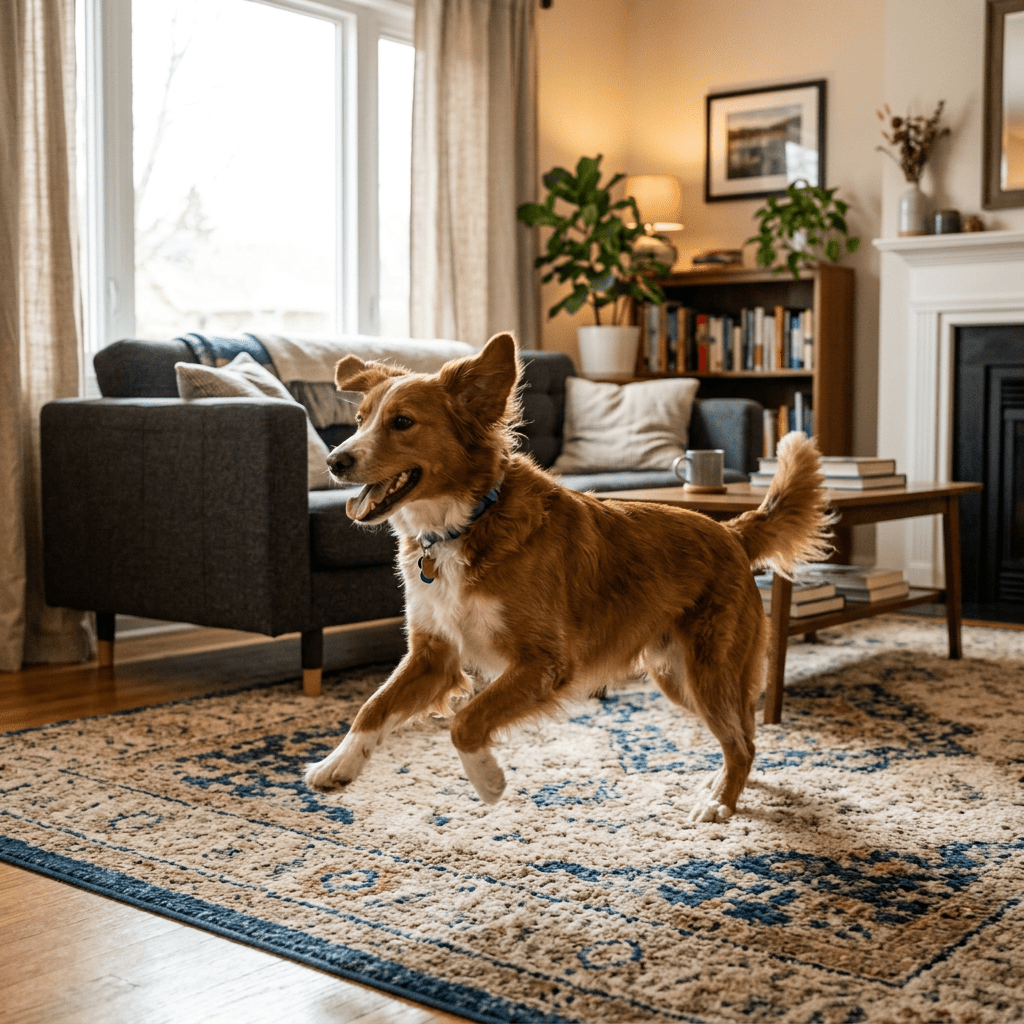
Look for a Low-Pile Rug
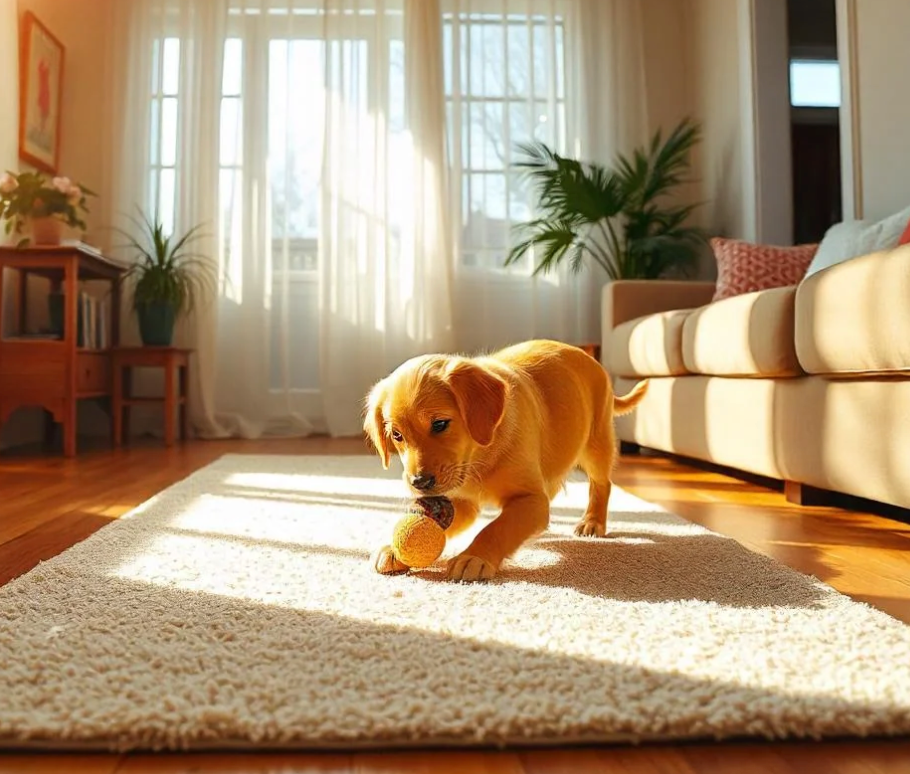
Pile height refers to the length and density of the rug fibres. For homes with pets, a low-pile construction is often easier to manage.
Shorter fibres tend to collect less pet hair and can usually be vacuumed more easily than thick, high-pile rugs. They may also make it easier to notice dirt or stains before they settle deeper into the rug.
Be Careful With Looped Designs
Cats and dogs with active claws may catch them on loose or prominent loops. This can pull threads and affect the appearance of the rug over time.
A tightly woven or closely constructed surface may therefore be more practical for pets that frequently scratch or run across rugs.
Select Colours and Patterns With Daily Use in Mind
Colour is not purely a decorative decision when pets are involved.
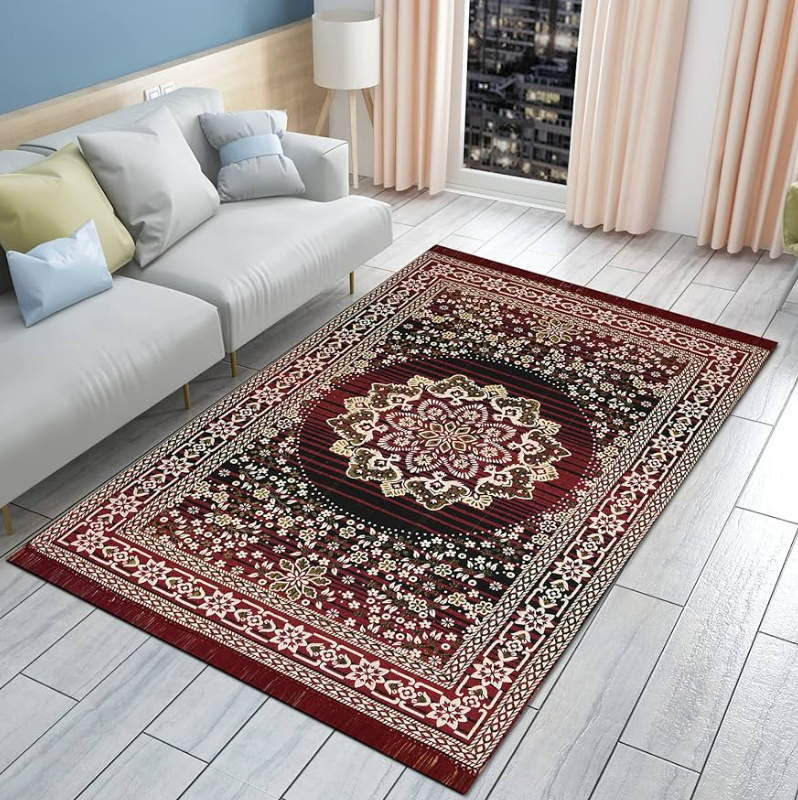
Very light rugs may show muddy paw prints and stains quickly, while extremely dark colours can make light-coloured pet hair more noticeable. Mid-tone shades can often make everyday marks less prominent between cleaning sessions.
Patterns can also help disguise small amounts of hair, dirt, and minor marks. Consider your pet's coat colour and normal household conditions when selecting a design.
Check How Easy the Rug Is to Clean
Cleaning requirements should be considered before purchasing a rug rather than after the first spill.
Check whether the rug can be spot cleaned, professionally cleaned, or washed according to the manufacturer's instructions. For smaller spaces, a washable rug may be convenient, particularly around entrances, feeding areas, or other places where messes occur regularly.
Deal With Accidents Promptly
Pet accidents should be addressed as soon as possible. Allowing moisture to remain in a rug can contribute to staining and unwanted odours.
Blot liquids rather than aggressively rubbing the area, as rubbing may spread the stain or push it further into the fibres. Use cleaning products that are suitable for both the rug material and a household with pets.
Choose the Right Rug Size
The correct rug size can make a room easier to use while reducing movement under active pets.
In a living room, a rug should generally relate clearly to the seating arrangement. In a bedroom, it can extend around the bed to provide a comfortable surface underfoot.
Avoid choosing a rug simply because it fits an empty section of flooring. Consider furniture placement, walking routes, and where your pet usually spends time.
Use a Suitable Rug Pad
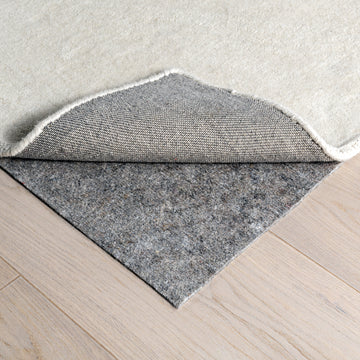
A rug pad can be particularly useful in homes with energetic dogs or cats.
It can help reduce movement when pets run across the room and may provide additional cushioning. A rug that constantly shifts or bunches can be inconvenient and may create a tripping risk for both people and pets.
Select a rug pad that is appropriate for your flooring material and the type of rug being used.
Think About Your Pet's Habits
Every pet behaves differently, so there is no single rug that works equally well for every household.
A dog that frequently comes indoors after outdoor walks may require a rug that tolerates regular cleaning. A long-haired pet may make easy vacuuming a priority. A cat that likes scratching may require a tightly constructed rug without prominent loops.
Consider Where the Rug Will Be Placed
Location matters as much as material.
Entryways and family rooms usually experience more traffic and may need durable, easy-to-clean rugs. Bedrooms and quieter areas may allow for softer materials because they typically experience less dirt and activity.
Maintain Your Rug Regularly
Regular maintenance can help keep a pet-friendly rug in good condition. Vacuuming removes loose hair, dust, and debris before they become embedded in the fibres.
Address spills promptly and follow the manufacturer's cleaning guidance. Depending on the rug material and level of use, periodic deeper cleaning may also be appropriate.
Final Thoughts
The right rug can provide comfort, protect flooring, and support the overall appearance of a room without making pet ownership more difficult. The key is to consider practical factors alongside colour and design.
Using this Guide to Choose Pet Friendly Rugs, you can compare materials, pile heights, construction, cleaning requirements, colours, and sizes before making a decision. A rug chosen around your pet's habits and your household routine is more likely to remain practical, comfortable, and easy to maintain over time.