


How to Layer Rugs: Expert Tips and Ideas for Any Room
Rugs play an important role in interior design by adding warmth, texture, colour, and comfort to a space. While a single rug can define a room, layering two or more rugs creates depth and allows homeowners to combine different patterns, materials, and styles. Whether you are refreshing a living room, decorating a bedroom, or designing a quiet reading space, the right rug combination can improve the overall appearance of your home.
Understanding how to layer rugs helps you create a balanced arrangement without making a room feel crowded. Similarly, selecting the right rug for a reading area requires attention to comfort, durability, colour, and size. These principles are especially useful when exploring luxury home library ideas, where the rug should complement bookshelves, seating, lighting, and other furnishings.
What Is Rug Layering?
Rug layering involves placing one rug over another to create visual interest and introduce different textures into a room. The bottom rug generally provides a larger foundation, while the top rug adds a decorative accent.
This approach works well in both large and small spaces when the rugs are chosen carefully. A neutral base rug can balance a patterned accent rug, while contrasting textures can make a simple room feel more inviting.
For example, a large natural-fibre rug paired with a smaller wool rug can create a comfortable living room arrangement. In a bedroom, layering a decorative rug over a larger carpet can highlight the bed and introduce colour without changing the entire floor covering.

How to Layer Rugs: Expert Tips for Every Room
1. Start With a Larger Base Rug
The foundation of successful rug layering is choosing a base rug that fits the room. A larger rug helps anchor the furniture and provides a consistent background for the smaller rug placed above it.
Natural-fibre rugs, including jute and sisal, are popular choices for base layers because their understated appearance works with many interior styles. Neutral wool rugs are another option, particularly when softness and comfort are priorities.
In living rooms, select a base rug large enough to accommodate at least the front legs of the main seating furniture. In bedrooms, position the rug so it extends beyond the bed and creates a comfortable surface underfoot.
2. Combine Different Textures
Texture is one of the most effective ways to make layered rugs look intentional. Pairing materials with different finishes creates depth without requiring strong colours or complicated patterns.
Consider combining a flat-weave rug with a plush wool rug or placing a patterned cotton rug over a textured natural-fibre foundation. The contrast helps each rug stand out while maintaining a coordinated appearance.
For spaces designed around relaxation, such as bedrooms and reading corners, prioritise soft materials where people are likely to sit or walk barefoot.
3. Balance Colours and Patterns
When layering rugs, choose colours that complement the existing furniture, curtains, walls, and decorative accessories. A neutral base creates flexibility, allowing the upper rug to introduce stronger colours or distinctive patterns.
If the accent rug features a bold geometric design, pair it with a simple base rug. Alternatively, a patterned foundation can work with a solid-coloured accent rug.
Repeat one or two colours from the rugs elsewhere in the room through cushions, artwork, throws, or upholstery. This creates a coordinated appearance without making every element identical.
4. Experiment With Shapes and Placement
Rugs do not always need to be positioned parallel to the walls. Slightly angling a smaller rug over a larger one can introduce movement, particularly in informal living spaces or creative interiors.
Round rugs can soften rooms dominated by rectangular furniture, while runners can define narrow spaces such as hallways, walk-in wardrobes, and areas between bookshelves.
Before finalising the arrangement, experiment with different positions. Ensure that the furniture remains stable and that the layered rugs do not obstruct doorways or create tripping hazards.
Rug Layering Ideas for Different Rooms
Living Room
In a living room, use a large neutral rug to connect the sofa, armchairs, and coffee table. Add a smaller patterned rug beneath the coffee table to introduce colour and define the central seating area.
Keep the main furniture arrangement connected to the rugs rather than allowing the pieces to appear scattered across the floor.
Bedroom
Bedrooms benefit from combinations that prioritise softness and visual balance. Place a large rug beneath the bed, then introduce a smaller accent rug beside the bed or near a reading chair.
Choose colours that complement the bedding and curtains. Muted tones, subtle patterns, and soft textures are particularly suitable for creating a restful atmosphere.
Dining Room
Layering rugs in a dining room requires careful consideration of practicality. Choose a flat-weave base that is easy to maintain and pair it with a smaller decorative rug only if the arrangement allows chairs to move freely.
The upper rug should not curl or shift when chairs are pulled away from the table. In busy dining areas, a single well-sized rug may be more practical than multiple layers.
Home Office
A home office can benefit from a layered arrangement that separates the desk area from a nearby reading or relaxation corner. A larger rug can establish the main workspace, while a smaller accent rug helps distinguish a comfortable chair or bookcase.
Choose durable materials that can withstand regular use and avoid thick layers beneath rolling office chairs.
Luxury Home Library Ideas: How to Choose the Right Rug
A home library is more than a place to store books. It can serve as a quiet retreat for reading, studying, and relaxing. The right rug adds comfort, reduces some room noise, and visually connects bookshelves with seating and other furnishings.
When exploring luxury home library ideas, consider how the rug will work with the room's architecture, lighting, furniture, and colour scheme.
Choose a Rug That Fits the Library Layout
Rug size is essential when planning a home library. A rug that is too small can make the furniture feel disconnected, while an oversized rug may conceal attractive flooring or crowd the room.
For a library with a reading chair and side table, choose a rug large enough to accommodate both pieces. If the room includes a sofa, position the rug to connect the main seating arrangement.
For libraries with floor-to-ceiling bookshelves, leave enough clearance around doors, cabinets, and storage units. Measure the available floor space before purchasing a rug.
Select Comfortable and Durable Materials
Wool is an excellent choice for home libraries because it offers a soft feel, durability, and a substantial appearance. It works particularly well in traditional libraries with wooden furniture, leather seating, and warm lighting.
Cotton and flat-weave rugs may suit smaller reading rooms or contemporary spaces where easy maintenance is important. Hand-knotted rugs can introduce detailed patterns and craftsmanship, while low-pile designs are practical for furniture-heavy layouts.
Consider the amount of foot traffic and the ease of cleaning when comparing materials. A library used daily may require a more durable option than a room reserved for occasional reading.
Coordinate the Rug With Bookshelves and Furniture
The rug should complement the library's most prominent features. Dark wood bookshelves pair well with warm neutrals, burgundy accents, deep greens, and traditional patterned rugs. Contemporary libraries with light wood and simple furniture may benefit from understated geometric designs or solid-coloured rugs.
If the room contains many books with colourful spines, a quieter rug can prevent the overall design from feeling visually busy. Conversely, a patterned rug can add character to a library with neutral walls and simple furnishings.
Consider Rug Layering for a Reading Corner
Layering rugs can help distinguish a reading corner within a larger home library. Start with a larger rug that connects the room's main furniture, then place a smaller accent rug beneath a reading chair and footstool.
Use complementary colours and different textures to establish a separate zone without installing partitions. Make sure the upper rug lies flat and remains secure, especially around chair legs and frequently used walkways.
Common Rug Layering Mistakes to Avoid
Even attractive rugs can look unbalanced when their proportions or placement are incorrect. Avoid these common mistakes:
-
Choosing rugs that are too similar: Use differences in texture, scale, or pattern to create a clear visual distinction.
-
Ignoring room proportions: Measure the room and furniture before selecting rug sizes.
-
Combining too many patterns: Keep one rug relatively simple if the other has a prominent design.
-
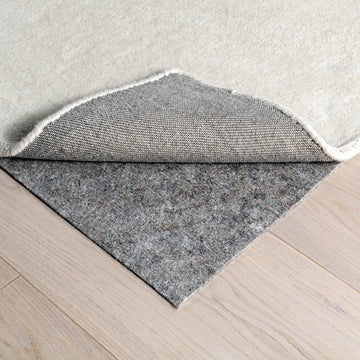
Overlooking safety: Use suitable non-slip rug pads and secure loose corners to reduce the risk of slipping.
-
Neglecting maintenance: Select materials and colours that suit the room's traffic levels and cleaning requirements.
Final Thoughts
Learning how to layer rugs allows you to add depth, comfort, and personality to different areas of your home. By combining suitable sizes, contrasting textures, and coordinated colours, you can create arrangements that complement your furniture and interior style.
For homeowners considering luxury home library ideas, choosing the right rug involves balancing appearance with practical needs. A well-sized, comfortable rug can connect bookshelves, seating, and reading areas while making the space feel welcoming. Whether you prefer traditional patterns or modern designs, thoughtful rug selection can help create a home library that is both functional and visually appealing.


