


The Best Rug to Tie a Living Room Together: A Complete Guide
A living room is often the most used space in a home. It is where family members gather, guests are welcomed, and daily activities take place. Because this area serves multiple purposes, every design choice should help create balance and comfort. One element that plays a central role in bringing a room together is the rug.
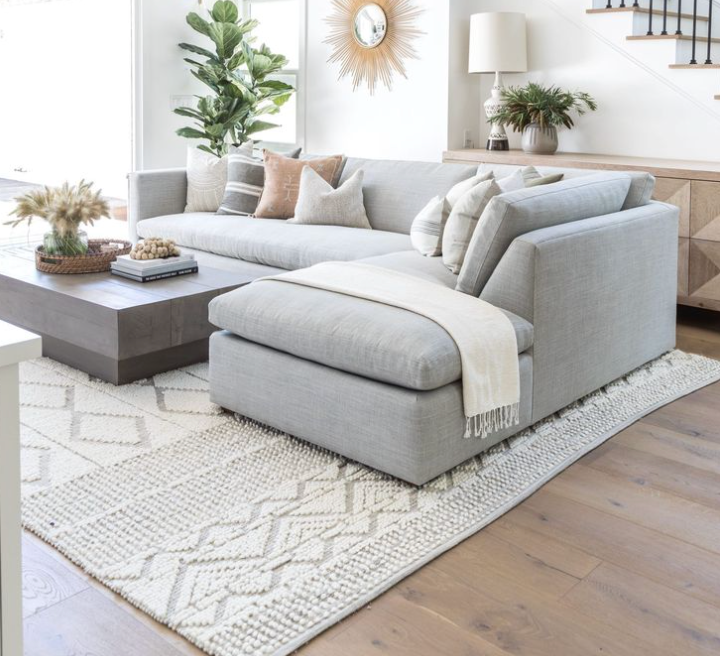
Choosing the best rug to Tie a living room together can transform the entire space. A well-selected rug helps define seating areas, add warmth, and create visual harmony among furniture pieces. Whether the room features a modern layout or a more traditional design, the right rug acts as a foundation that connects every element.
Why a Rug Matters in Living Room Design
Many homeowners focus on sofas, coffee tables, and lighting when designing a living room. While those items are important, the rug often determines how everything fits together.
A properly chosen rug can:
-
Define the seating arrangement
-
Add comfort underfoot
-
Reduce noise in open spaces
-
Introduce color and texture
-
Connect different furniture pieces visually
Without a rug, a living room can feel incomplete or scattered. When you select The Best Rug to Tie a Living Room Together, the space begins to feel balanced and inviting.

How to Choose the Best Rug to Tie a Living Room Together
Selecting the right rug involves several practical decisions. Size, material, and color all contribute to how the rug works within the space.
Selecting the Right Rug Size
Rug size is one of the most important factors in living room design. A rug that is too small can make the room appear disconnected, while a properly sized rug creates structure.
Here are common guidelines:
-
Large living rooms: Choose a rug large enough for all furniture legs to sit on it.
-
Medium spaces: The front legs of sofas and chairs should rest on the rug.
-
Small rooms: A rug placed under the coffee table can still define the seating area.
When the rug anchors the seating layout correctly, it naturally becomes The Best Rug to Tie a Living Room Together.
Choosing the Right Material
Rug materials influence comfort, durability, and maintenance. Since living rooms experience regular use, selecting the right material ensures the rug lasts longer.
Common materials include:
Wool Rugs
Wool is durable and soft. It resists stains and maintains its shape over time, making it suitable for busy households.
Cotton Rugs
Cotton rugs are lightweight and easier to clean. They work well in casual living spaces.
Synthetic Fiber Rugs
Materials such as polypropylene provide strong resistance to stains and moisture. These rugs are often chosen for homes with pets or children.
Natural Fiber Rugs
Options like jute and sisal create a natural look and add texture to the room.
Choosing a material that matches your lifestyle helps ensure the rug remains functional while still being The Best Rug to Tie a Living Room Together.
Matching the Rug with Living Room Colors
Color selection plays an important role in how a rug interacts with furniture and décor. The goal is to create a cohesive look rather than introduce a conflicting design.
Neutral Rugs for Balanced Interiors
Neutral rugs in shades such as beige, gray, or cream provide flexibility. They complement many furniture styles and help maintain a calm appearance.
These rugs are often used when the room already contains colorful furniture or artwork.
Patterned Rugs for Visual Interest
Patterned rugs add depth and character. Geometric designs, traditional motifs, or subtle textures can make the living room more engaging.
However, it is important to ensure that patterns do not overpower other elements in the room.
Coordinating Colors with Furniture
When selecting The Best Rug to Tie a Living Room Together, consider the dominant colors already present in the space. The rug should connect with at least one or two existing tones, such as the sofa fabric, cushions, or curtains.
This approach helps the entire room feel unified.
Placing the Rug Correctly
Even a well-chosen rug can appear ineffective if it is placed incorrectly. Proper placement ensures the rug supports the room layout.
Centering the Seating Area
Position the rug so that it anchors the main seating arrangement. The coffee table typically sits in the center of the rug, with surrounding furniture arranged around it.
Maintaining Visual Balance
Leave a consistent border of flooring visible around the rug edges. This helps frame the seating area and prevents the rug from overwhelming the space.
Aligning with Room Layout
In open-concept homes, rugs can define separate functional areas. For example, the living room rug distinguishes the seating zone from the dining area.
When positioned thoughtfully, the rug becomes The Best Rug to Tie a Living Room Together while improving the overall layout.
Maintenance Tips for Living Room Rugs
Proper maintenance helps preserve the appearance and longevity of a rug.
Simple care practices include:
-
Vacuum regularly to remove dust and debris
-
Rotate the rug occasionally to prevent uneven wear
-
Address spills promptly to avoid stains
-
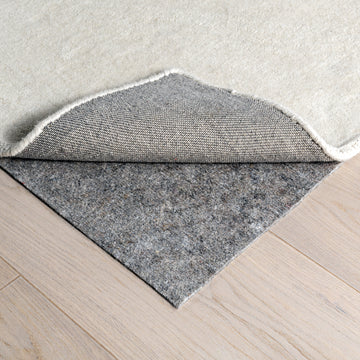
Use rug pads to prevent slipping and protect flooring
These steps ensure the rug continues to support the living room design for many years.
Conclusion
A living room should feel comfortable, organized, and welcoming. While furniture and décor contribute to the overall style, the rug plays a key role in connecting every element within the space.
Selecting the best rug to tie a living room together requires careful attention to size, material, color, and placement. When chosen correctly, a rug becomes the visual foundation of the room, helping furniture arrangements feel intentional and balanced.
By following practical design guidelines and selecting a rug that suits both your lifestyle and interior style, you can create a living room that feels complete, cohesive, and comfortable.