

Tips for Using an Area Rug on Carpet
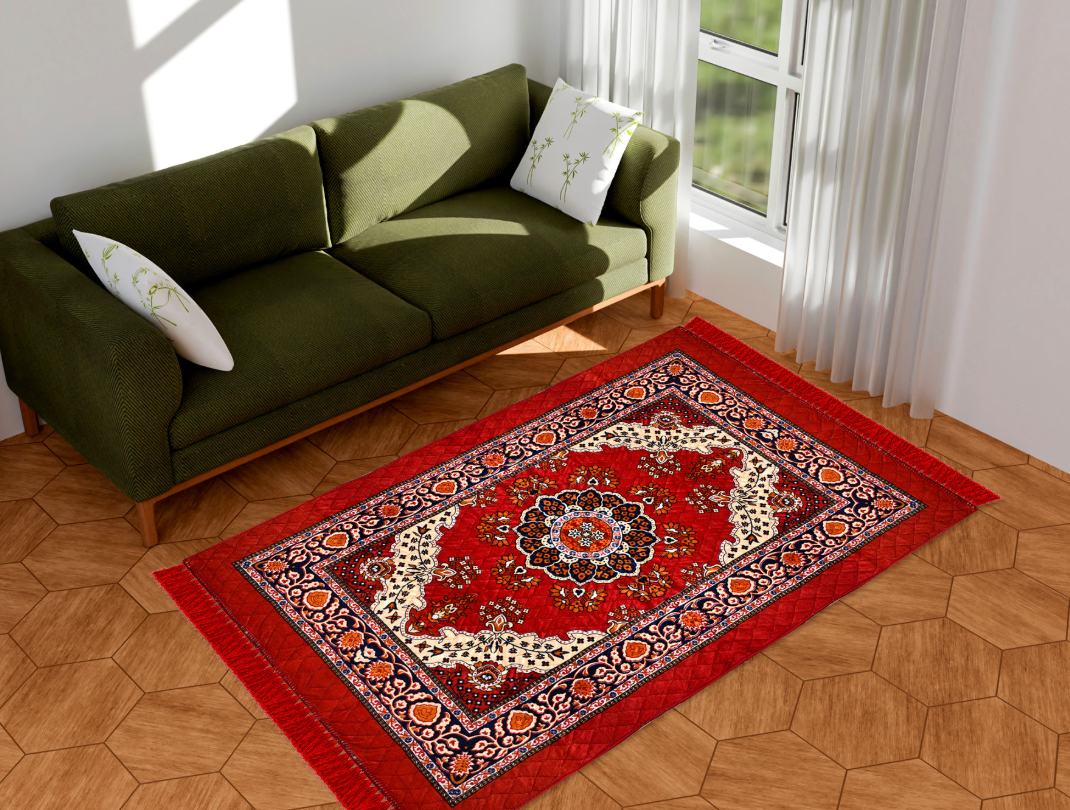
Layering rugs is a common interior design technique used to improve comfort, add visual interest, and define spaces within a room. Many homeowners assume that rugs should only be placed on hardwood or tile floors, but placing an area rug on carpet can also work well when done correctly. It can introduce texture, protect high-traffic areas, and help create a structured layout in larger rooms.
However, layering rugs requires careful planning. Without proper placement, rugs can bunch up, slide, or look uneven. The following guide outlines practical tips for using an area rug on carpet so the result looks intentional, functional, and visually balanced.
Why Place an Area Rug on Carpet?
Before discussing techniques, it helps to understand why people layer rugs over carpet in the first place.
Improve Visual Contrast
Wall-to-wall carpeting can sometimes look uniform or flat. An area rug introduces color, pattern, or texture that breaks the monotony and creates visual interest within the room.
Define Specific Spaces
In large living rooms or open floor plans, rugs help visually separate spaces such as seating areas, reading corners, or dining zones. This is especially useful when furniture layouts need structure.
Protect High-Traffic Areas
An area rug can protect frequently used sections of carpet from wear and stains. Entryways, hallways, and living room seating areas often benefit from this added layer.
Choosing the Right Rug Size
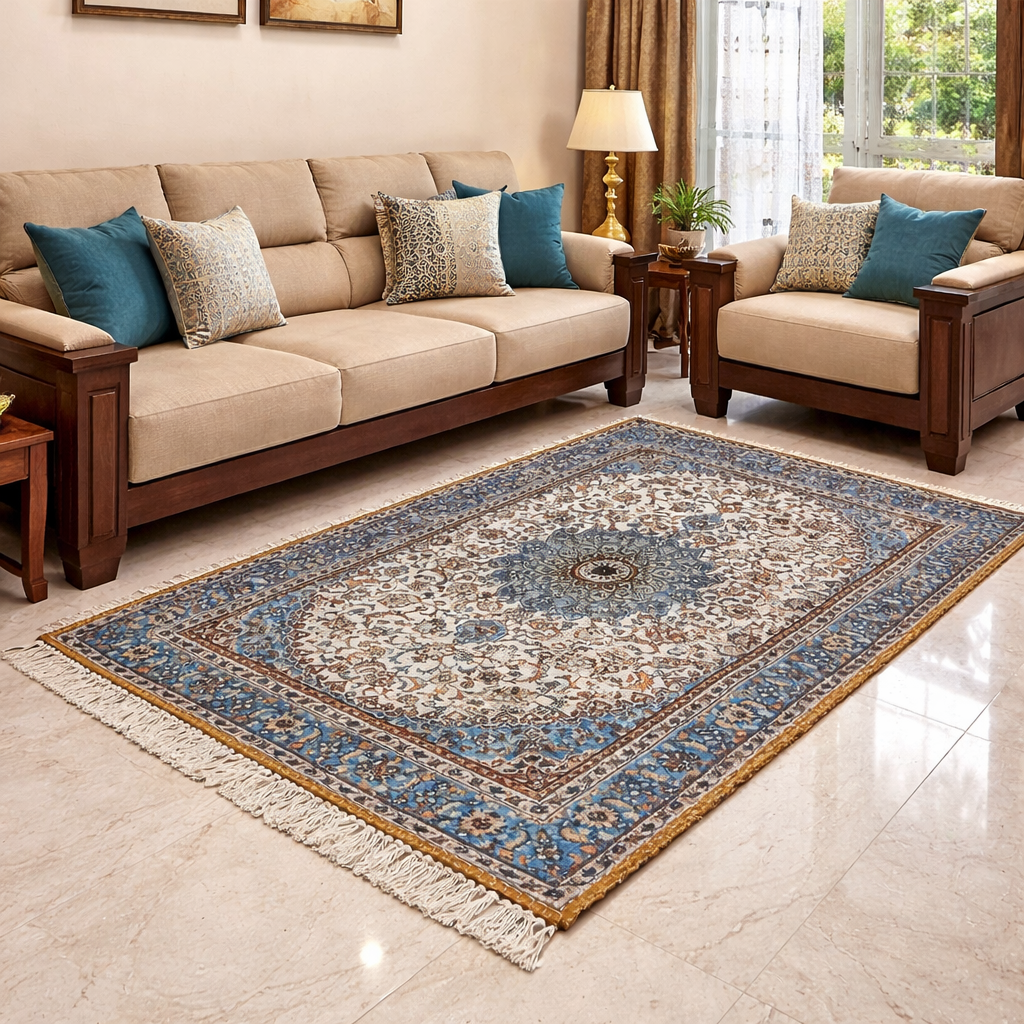
One of the most important tips for using an area rug on carpet is selecting the correct size. Rugs that are too small or too large can disrupt the balance of a room.
Use Larger Rugs for Seating Areas
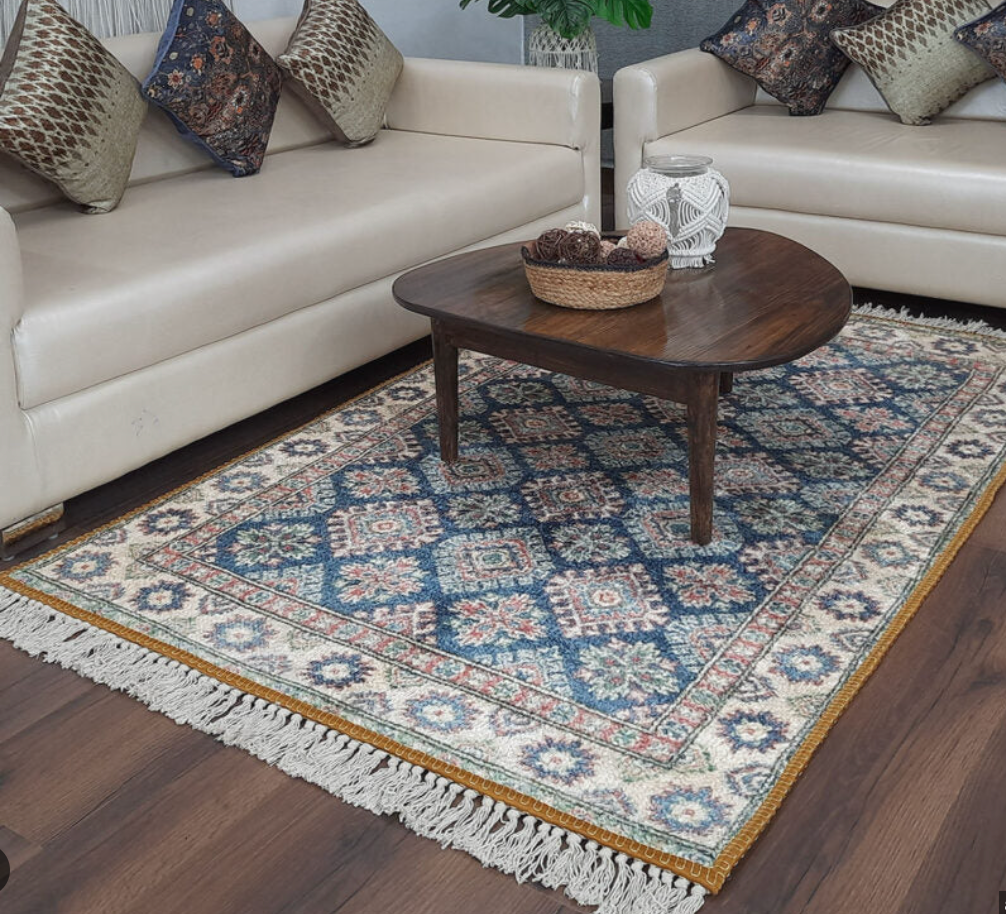
For living rooms, choose a rug large enough so at least the front legs of furniture sit on it. This creates a cohesive layout and prevents the rug from looking disconnected from the furniture.
Avoid Small Floating Rugs
Small rugs placed randomly on carpet often appear misplaced. Instead, choose a size that relates directly to the furniture arrangement or room dimensions.
Consider Room Proportions
The rug should complement the size of the room rather than dominate it. Leave a visible border of carpet around the rug to maintain a layered look.
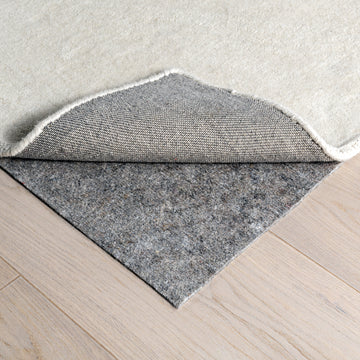
Use a Rug Pad for Stability
Another key factor when layering rugs is stability. Rugs placed directly on carpet may shift over time, especially in busy areas.
Prevent Sliding and Bunching
A rug pad helps hold the rug in place and prevents wrinkles or bunching. This is particularly useful if the carpet underneath is thick or plush.
Improve Comfort
Rug pads can also add cushioning, making the layered surface more comfortable to walk on or sit on.
Extend Rug Life
Pads reduce friction between the rug and carpet fibers, helping maintain the rug’s structure and shape over time.
Select Rugs with the Right Texture
When placing a rug over carpet, the texture combination matters. Thick rugs on thick carpets can create instability.
Choose Low-Pile Rugs
Flatweave or low-pile rugs are often the best option when placed on carpet. They sit more securely and reduce movement.
Avoid Very Thick Rugs
High-pile or shag rugs may shift easily when layered on carpet. These rugs work better on hard floors.
Look for Structured Materials
Rugs made from wool, cotton blends, or tightly woven synthetic fibers tend to hold their shape better.
Use Rugs to Create Visual Balance
The goal of layering rugs is not only functionality but also visual harmony. Placement plays a major role in how the rug contributes to the overall room design.
Align the Rug with Furniture
Position the rug so it aligns with the main furniture pieces rather than placing it randomly in the center of the room.
Use Patterns Strategically
If the carpet underneath is plain, a patterned rug can add visual interest. If the carpet already has a pattern, a simple or neutral rug may work better.
Maintain Color Coordination
Choose colors that complement the room’s existing palette. This ensures the rug enhances the space rather than competing with it.
Consider practical placement areas.
Some rooms benefit more from layered rugs than others. Knowing where to place them can improve both appearance and practicality.
Living Rooms
Layered rugs help define seating arrangements and create a focal point around sofas and chairs.
Bedrooms
Placing a rug at the foot of the bed or partially under it can add warmth and visual structure.
Home Offices
A rug beneath a desk or seating area can create a defined workspace within a larger carpeted room.
Maintenance Tips for Layered Rugs
Once the rug is placed, regular maintenance ensures it continues to look clean and stable.
Vacuum Regularly
Both the rug and the surrounding carpet should be vacuumed frequently to prevent dirt buildup.
Rotate the Rug
Occasionally rotating the rug helps distribute wear evenly, especially in high-traffic areas.
Check Rug Alignment
Over time, rugs may shift slightly. Adjusting the placement occasionally keeps the layout neat.
Final Thoughts
Layering rugs over carpet is a practical way to enhance comfort, protect flooring, and improve the overall appearance of a room. By selecting the correct size, choosing appropriate textures, and using rug pads for stability, homeowners can achieve a balanced and functional design.
Following these tips for using an area rug on carpet helps ensure that the layered look appears intentional and remains comfortable for everyday use. With thoughtful placement and regular maintenance, an area rug can become a simple yet effective addition to any carpeted space.