

Carpet for Kid Room: Top Tips for Choosing Kids Room Rugs
Choosing the right carpet for a child’s room requires more thought than selecting a colour or pattern. Children spend considerable time playing, reading, crawling, and relaxing on the floor, so the rug should offer comfort, safety, durability, and easy maintenance.
The right kids' room rug can also make the space feel warmer and more organised. It may define the play area, reduce noise, protect the flooring, and provide a softer surface for daily activities.
Why a Carpet Is Useful in a Kid’s Room
A carpet can improve both the comfort and functionality of a child’s bedroom or playroom. Hard floors may feel cold and uncomfortable, particularly when children sit or play for long periods. A rug adds cushioning and creates a more inviting surface.
Carpets can also absorb sound, which may reduce noise from toys, footsteps, and furniture movement. This can be helpful in apartments, shared homes, or rooms located above living spaces.
Another benefit is floor protection. A rug can help reduce scratches, stains, and general wear caused by toys, chairs, and frequent movement.

Choose a Soft but Durable Material
The rug material affects comfort, durability, cleaning, and overall suitability for children.
Cotton Rugs
Cotton rugs are soft, lightweight, and available in many colours and designs. Some smaller cotton rugs are machine washable, making them convenient for rooms where spills are common.
However, cotton may wear faster than some synthetic materials, especially in high-traffic play areas.
Wool Rugs
Wool is naturally soft, durable, and comfortable underfoot. It can provide insulation during colder months and may retain its appearance well with proper care.
Wool rugs may require professional cleaning and can be more expensive. Parents should also confirm whether the child has any sensitivity to natural fibres.
Synthetic Rugs
Materials such as polypropylene, polyester, and nylon are commonly used for kids room rugs. They are generally durable, stain-resistant, and easier to maintain.
Synthetic rugs can be suitable for busy bedrooms and playrooms, but product quality varies. Check the manufacturer’s information regarding materials, finishes, and cleaning instructions.
Give Priority to Safety
Safety should be one of the main considerations when choosing a carpet for a child’s room.
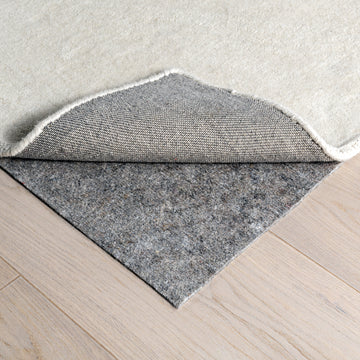
Select a rug with a non-slip backing or place a suitable rug pad underneath it. Rugs that move or fold at the corners can create a tripping risk, particularly for younger children.
The rug should also lie flat on the floor without raised edges. Avoid designs with loose decorative elements, long tassels, beads, or attachments that could become choking hazards.
Parents may also look for products that have been tested for harmful substances. Read product labels carefully and select rugs intended for indoor residential use.
Select the Right Rug Size
The correct size depends on the room layout and how the rug will be used.
A small rug may work beside the bed, near a reading chair, or under a compact play table. A medium-sized rug can define a dedicated play area, while a larger carpet may cover most of the room and provide a continuous soft surface.
Before purchasing, measure the available floor space and consider the placement of the bed, wardrobe, desk, and storage units. The rug should not prevent doors, drawers, or furniture from opening properly.
Leaving some visible flooring around the rug can help the room appear balanced rather than overcrowded.
Consider Pile Height and Texture
Pile height refers to the length and density of the rug fibres.
Low-pile rugs are usually easier to vacuum and may be more practical for rooms where children use toy cars, building blocks, puzzles, or activity tables. Small objects are less likely to become hidden between the fibres.
Medium-pile rugs provide more cushioning while remaining reasonably easy to maintain.
Long-pile or shag rugs may feel soft, but they can collect dust, crumbs, and small toys. They may require more frequent and detailed cleaning, making them less practical for younger children.
Choose Colours and Patterns Carefully
The carpet should complement the room without making it feel visually crowded.
Neutral colours can create a calm appearance and adapt easily as the child grows. Brighter colours may make the room feel playful and can support an existing theme.
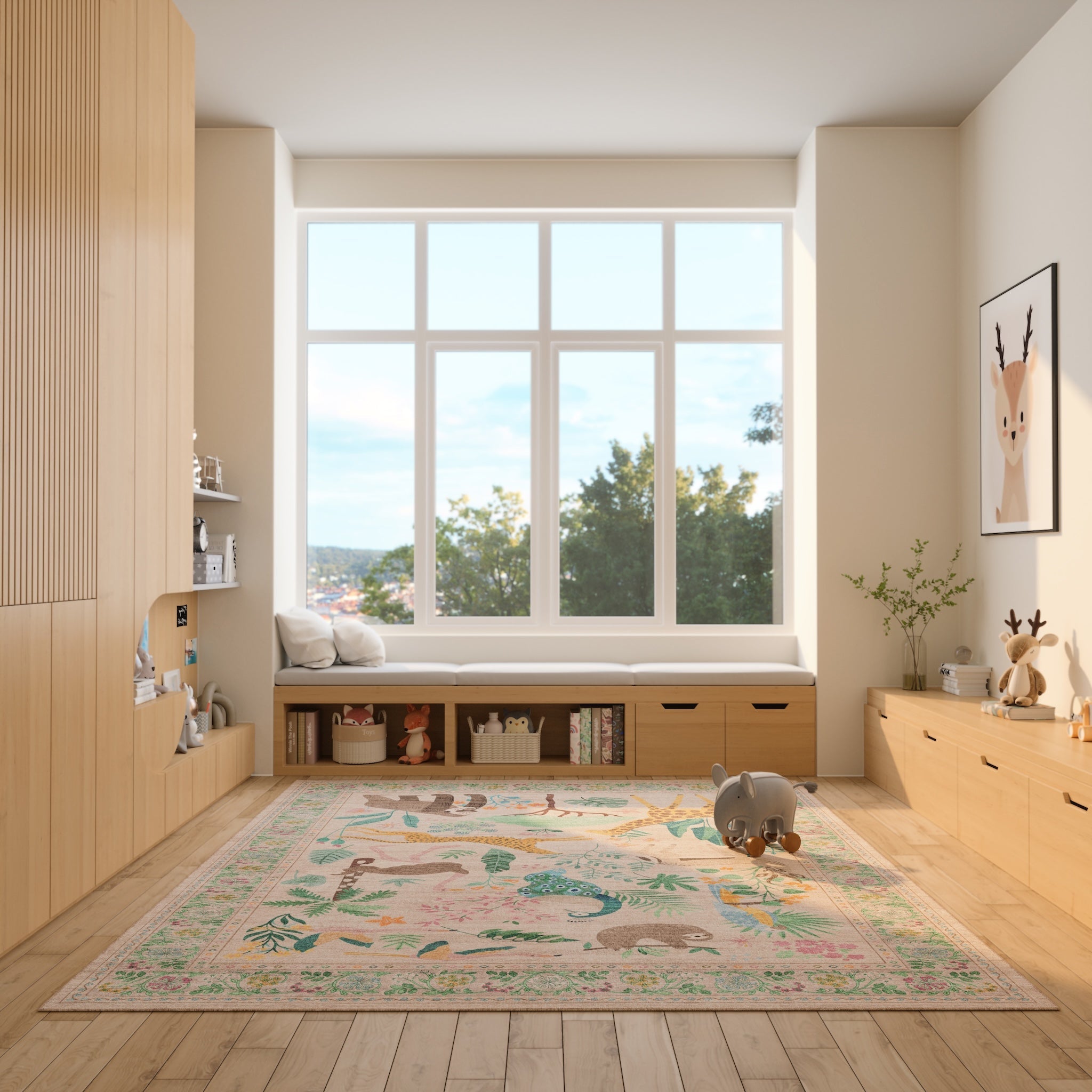
Patterns are also practical because they may make small marks or stains less noticeable. Geometric shapes, animals, roads, maps, letters, and nature-inspired designs are common choices for children’s spaces.
When selecting a themed rug, consider whether the design will remain suitable as the child’s preferences change. A flexible pattern may provide better long-term use than a highly specific character design.
Look for Easy-Care Features
Spills, crumbs, paint marks, and dirt are common in children’s rooms. For this reason, cleaning requirements should be reviewed before purchase.
Check whether the rug is machine washable, spot-clean only, or suitable for professional cleaning. A washable rug may be convenient, but it must fit inside the household washing machine.
Vacuuming instructions are also important. Some lightweight rugs may move during cleaning, while delicate materials may require lower suction settings.
Choose a rug that matches the amount of maintenance you can manage regularly.

Consider Allergies and Indoor Air Quality
Children with allergies or respiratory sensitivities may benefit from low-pile rugs that trap less dust and are easier to clean.
Vacuum the carpet regularly, clean spills promptly, and ensure that the room is properly ventilated. Avoid placing a damp rug back on the floor, as retained moisture can lead to unpleasant odours or mould growth.
Review the product information for adhesives, coatings, dyes, and chemical treatments. Allowing a new rug to air out before placing it in the child’s room may also help reduce initial odours.
Match the Rug to the Child’s Age
The child’s age can influence the most suitable rug choice.
For babies and toddlers, prioritise softness, secure placement, simple cleaning, and the absence of loose parts. Preschool children may benefit from rugs that support play, such as roads, numbers, letters, or activity designs.
For older children, involve them in choosing the colour or pattern. This can help create a room that reflects their interests while still meeting practical requirements.
Conclusion
The best carpet for a kid’s room should provide a safe, comfortable, and easy-to-maintain surface. Material, size, pile height, backing, cleaning requirements, and design should all be considered before making a decision.
By following the guidance in Carpet for Kid Room: Top Tips for Choosing Kids Room Rugs, parents can select a rug that supports everyday play, complements the room, and remains practical as the child grows.