

Choosing Pet-Friendly Rugs for Your Home
Pets bring comfort and companionship, but they also introduce unique challenges to interior design. From muddy paws to shedding fur, your flooring often takes the most impact. Rugs can protect floors and enhance your décor, but not all rugs are suitable for households with animals.
Choosing pet-friendly rugs for your home requires careful consideration of material, durability, maintenance, and safety. This guide explains what to look for so you can select rugs that balance comfort, longevity, and practicality.
Why Rug Selection Matters in Pet-Friendly Homes
Rugs serve multiple purposes. They protect hardwood or tile floors, provide insulation, reduce noise, and create visual structure within a room. In homes with pets, they also become play areas, resting spots, and occasionally feeding spaces.
A poorly chosen rug can trap odors, stain easily, or deteriorate quickly under scratching and heavy traffic. Selecting the right rug reduces maintenance effort and extends the life of your investment.
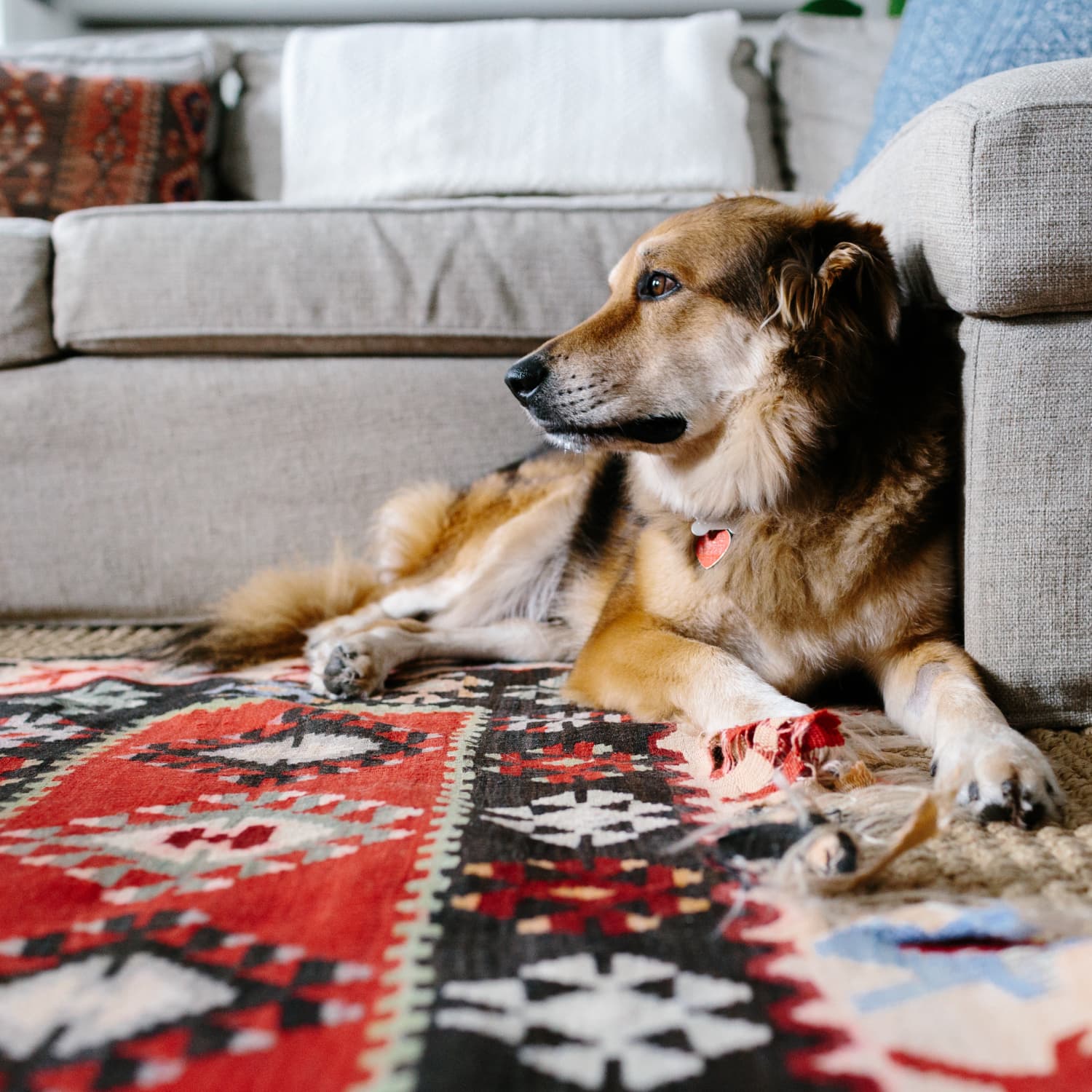
Key Factors to Consider When Choosing Pet-Friendly Rugs
1. Material Selection
Material plays the most important role in durability and ease of cleaning.
Synthetic fibers such as polypropylene, nylon, and polyester are popular choices. They resist stains, repel moisture, and are easier to clean than many natural fibers. Polypropylene, in particular, is known for its resistance to spills and fading.
Natural fibers like wool offer softness and resilience but may require more maintenance. Wool is naturally stain-resistant to some degree, yet it can absorb moisture if spills are not addressed promptly.
Avoid delicate materials such as silk or viscose, which are more prone to damage.
2. Durability and Construction
The construction of the rug determines how well it withstands claws and heavy use.
-
Low-pile rugs are ideal for pet owners. They are easier to vacuum and less likely to trap fur and dirt.
-
Flatweave rugs are another practical option, as they lack long fibers that can snag.
- Tightly woven constructions offer better resistance to pulling and scratching.
High-pile or shag rugs may look appealing, but they often trap debris and are harder to maintain.
3. Stain and Odor Resistance
Accidents can happen, especially with young pets. Look for rugs labeled as stain-resistant or treated for moisture protection. Some synthetic rugs are designed to prevent liquids from penetrating deeply into the fibers.
Prompt cleaning is still essential. Blot spills immediately and use pet-safe cleaning solutions to prevent lingering odors.
4. Ease of Cleaning
Maintenance is a major factor when choosing pet-friendly rugs for your home. Rugs that can be spot-cleaned easily or washed are practical options.
Machine-washable rugs are increasingly available and suitable for smaller spaces such as entryways or kitchens. For larger rugs, ensure they are compatible with regular vacuuming and occasional professional cleaning.
5. Color and Pattern Considerations
Color selection can help conceal pet hair and minor stains.
-
Neutral tones that match your pet’s fur can minimize visible shedding.
-
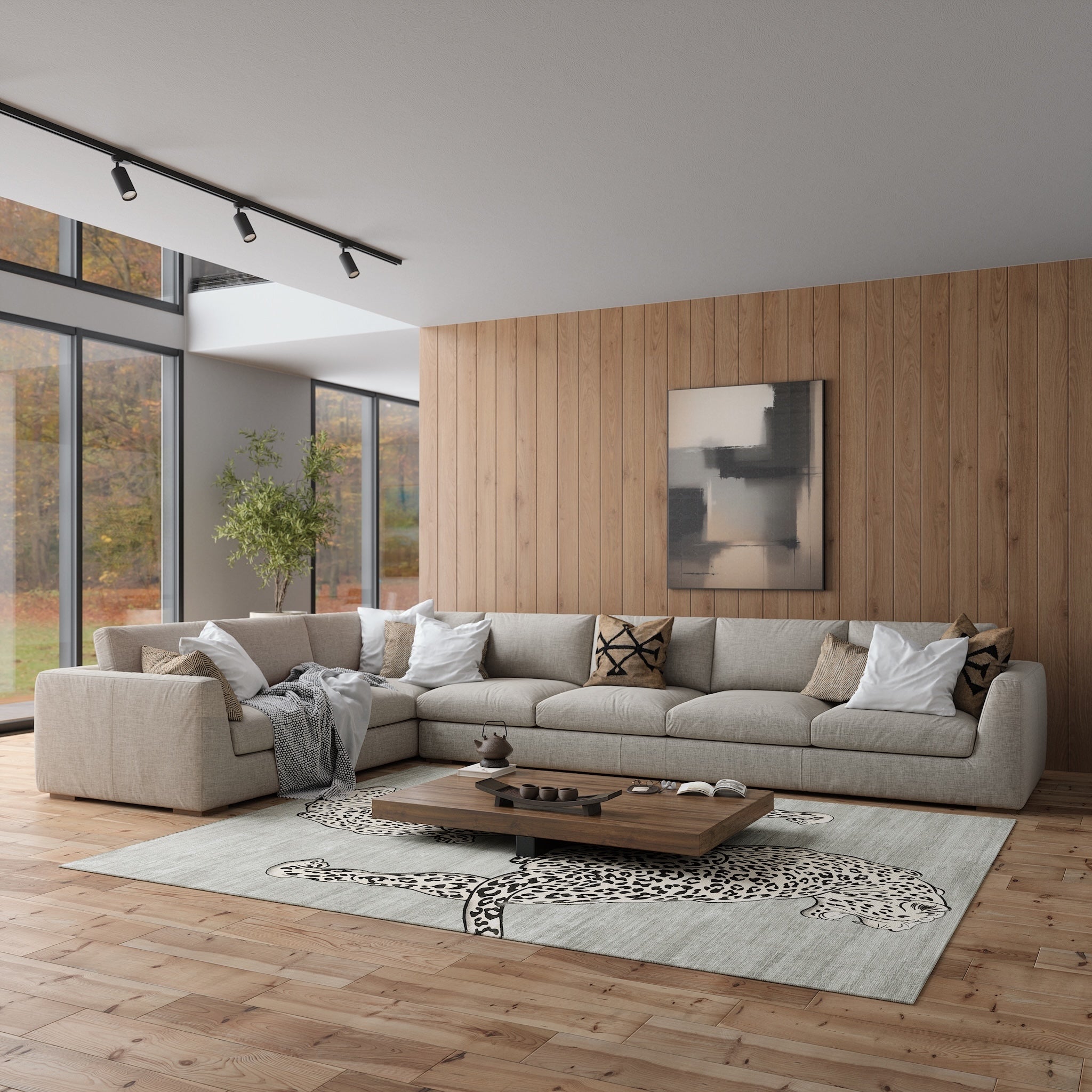
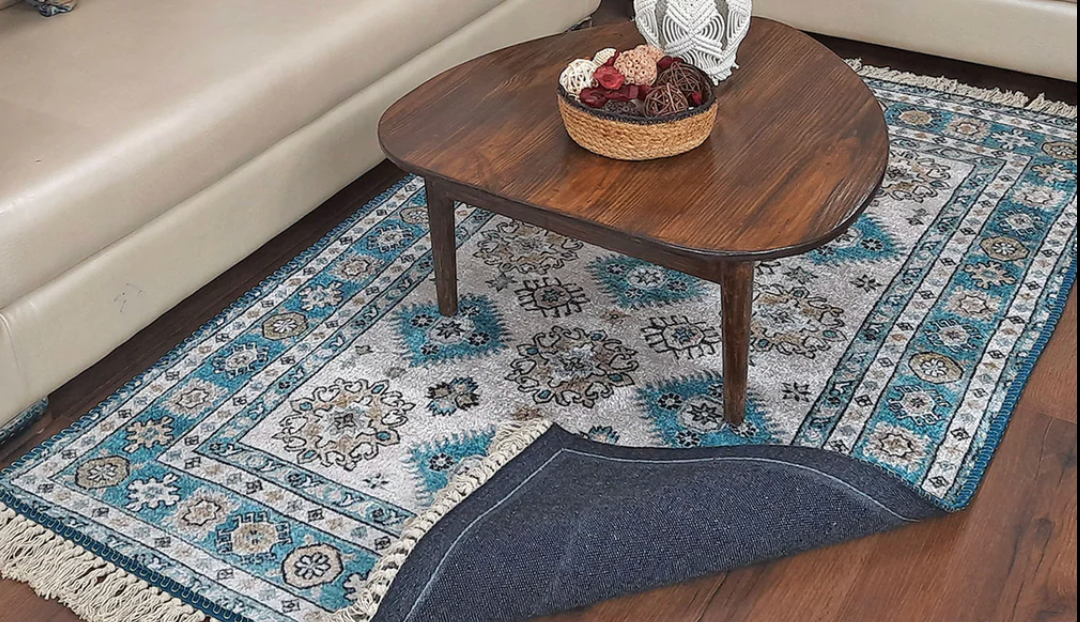
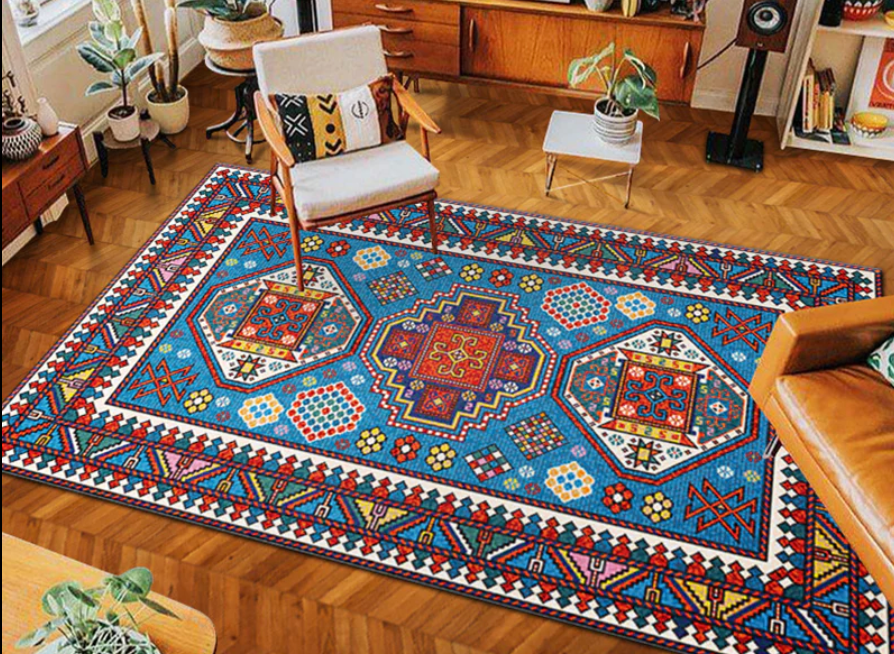
Patterned rugs are effective at disguising small marks.
- Avoid very light shades if your pet frequently tracks dirt indoors.
Choosing a design that complements your interior while remaining practical ensures long-term satisfaction.
Placement Strategies for Pet-Friendly Rugs
Where you place your rug also affects its longevity.
-
Entryways: Use durable, low-pile rugs to capture dirt from paws.
-
Living Rooms: Select rugs that anchor furniture while offering resilience against daily activity.
-
Feeding Areas: Consider water-resistant mats beneath food and water bowls.
- Bedrooms: Softer textures may be suitable if the space experiences less traffic.
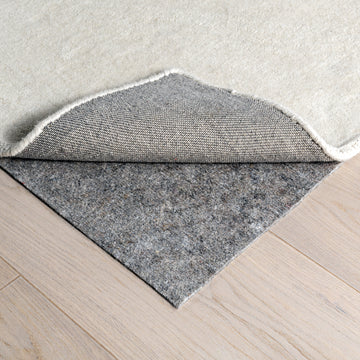
Adding rug pads underneath can prevent slipping and provide additional cushioning for pets.
Safety Considerations for Pets
Safety is often overlooked when selecting rugs. Ensure that rugs have non-slip backing or use a rug pad to prevent movement. Sliding rugs can cause injury to both pets and people.
Also, confirm that dyes and materials are non-toxic, especially if your pet tends to chew or scratch surfaces.
Long-Term Care and Maintenance Tips
Even durable rugs require routine care.
-
Vacuum regularly to remove fur and dirt before it settles into fibers.
-
Address spills promptly to prevent staining.
-
Rotate rugs periodically to ensure even wear.
- Schedule deep cleaning as needed based on foot and paw traffic.
Establishing a maintenance routine helps preserve both appearance and hygiene.
Balancing Style and Function
Pet-friendly design does not mean compromising on aesthetics. Modern rug collections offer a range of styles that combine durability with refined patterns and textures.
By focusing on material, construction, and maintenance, you can select a rug that enhances your space while accommodating your pet’s lifestyle.
Conclusion
Choosing pet-friendly rugs for your home involves evaluating practical features such as material strength, stain resistance, and ease of cleaning. Low-pile, durable rugs made from synthetic fibers often perform well in active households. Thoughtful placement and regular maintenance further extend the life of your rug.
With careful selection, you can maintain a clean, comfortable home environment that supports both your design preferences and your pet’s daily activities.