

Guide to RugEditorial’s Color Categories & When to Use Them
Choosing the right rug color is not only a design decision but also a practical one. Color influences how a space feels, how large or small it appears, and how well it supports daily use. RugEditorial classifies rugs into clear color categories to simplify selection for homeowners, designers, and buyers. This Guide to RugEditorial’s Color Categories & When to Use Them explains each category in detail and outlines where it fits best, helping you make informed and confident choices.
Why Color Categories Matter in Rug Selection
Rugs serve as visual anchors in a room. Without a structured approach to color, buyers often rely on guesswork, leading to mismatched interiors or impractical choices. RugEditorial’s color categories provide a system that aligns color psychology, usage patterns, and design balance.
Color categories help in:
-
Matching rugs with walls, furniture, and flooring
-
Deciding whether a rug should stand out or blend in
-
Selecting colors that suit foot traffic and maintenance needs
-
Creating consistency across different rooms in a home
By understanding these categories, buyers can avoid common mistakes such as overly dark rugs in small rooms or light rugs in high-traffic areas.

Neutral Color Rugs
What Defines Neutral Rugs
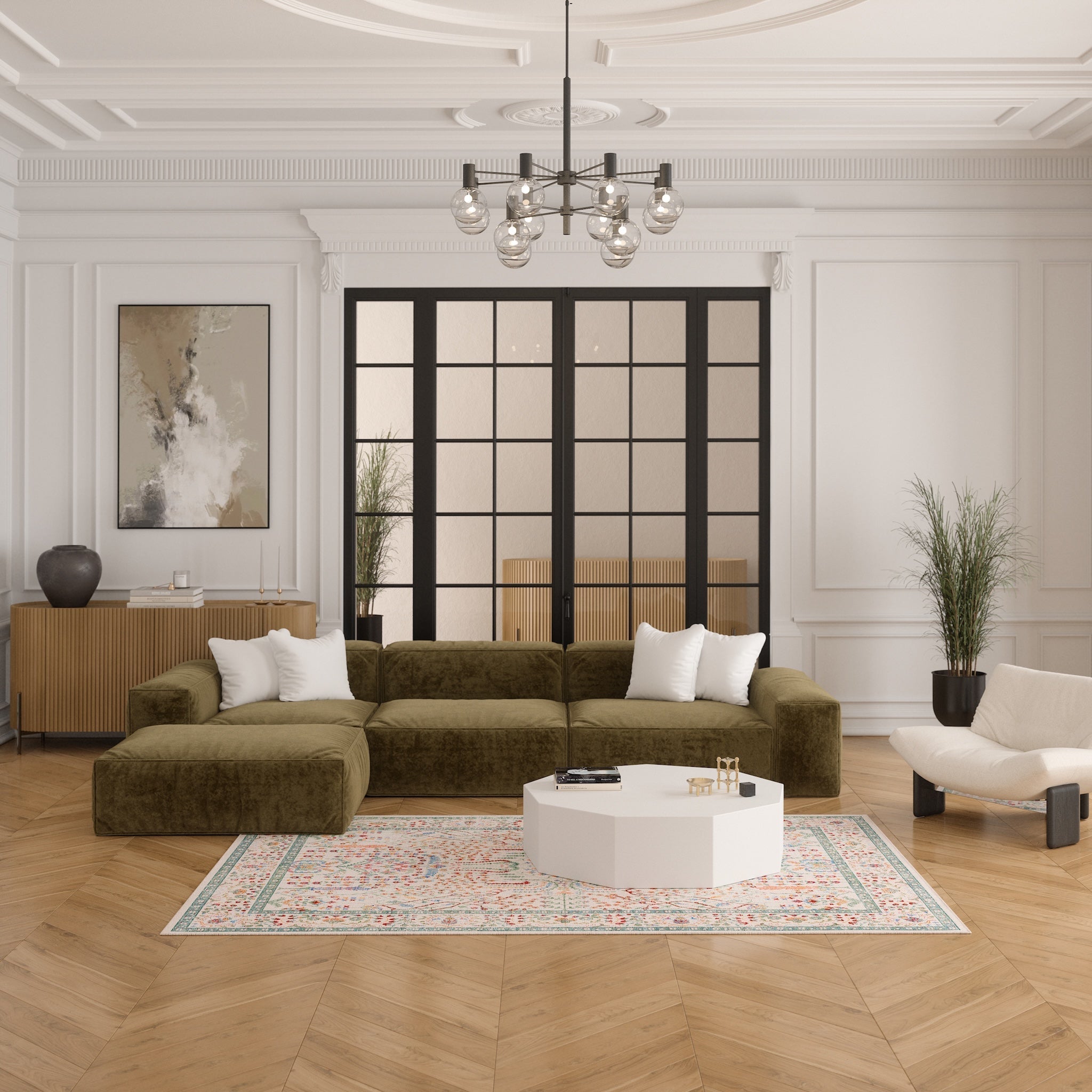
Neutral rugs include shades such as beige, ivory, cream, taupe, grey, and soft browns. These colors do not dominate a space and are designed to work seamlessly with most interiors.
When to Use Neutral Rugs
Neutral rugs are ideal when:
-
The room already has strong furniture or wall colors
-
A calm, balanced look is required
-
The space needs visual continuity rather than contrast
Living rooms, bedrooms, and home offices often benefit from neutral rugs because they provide flexibility. They also work well in rental properties or long-term interiors where frequent design changes are not practical.
Warm Color Rugs
What Defines Warm Color Rugs
Warm rugs feature tones such as red, rust, terracotta, mustard, orange, and warm browns. These colors bring energy and warmth into a space.
When to Use Warm Rugs
Warm color rugs are best used when:
-
A room feels cold or lacks character
-
You want to create a welcoming or social atmosphere
-
The space has neutral walls and furniture
Dining rooms, family areas, and traditional interiors often benefit from warm rugs. They pair well with wooden furniture and earthy textures, making spaces feel grounded and inviting.
Cool Color Rugs
What Defines Cool Color Rugs
Cool rugs include shades like blue, green, teal, and soft violet. These colors are associated with calmness and visual openness.
When to Use Cool Rugs
Cool color rugs work well when:
-
The room is small and needs to feel larger
-
A relaxed, focused environment is required
-
The space receives ample natural light
Bedrooms, study rooms, and modern living areas commonly use cool rugs. Lighter cool tones can reduce visual clutter and support minimalist interiors.
Bold and Statement Color Rugs
What Defines Bold Rugs
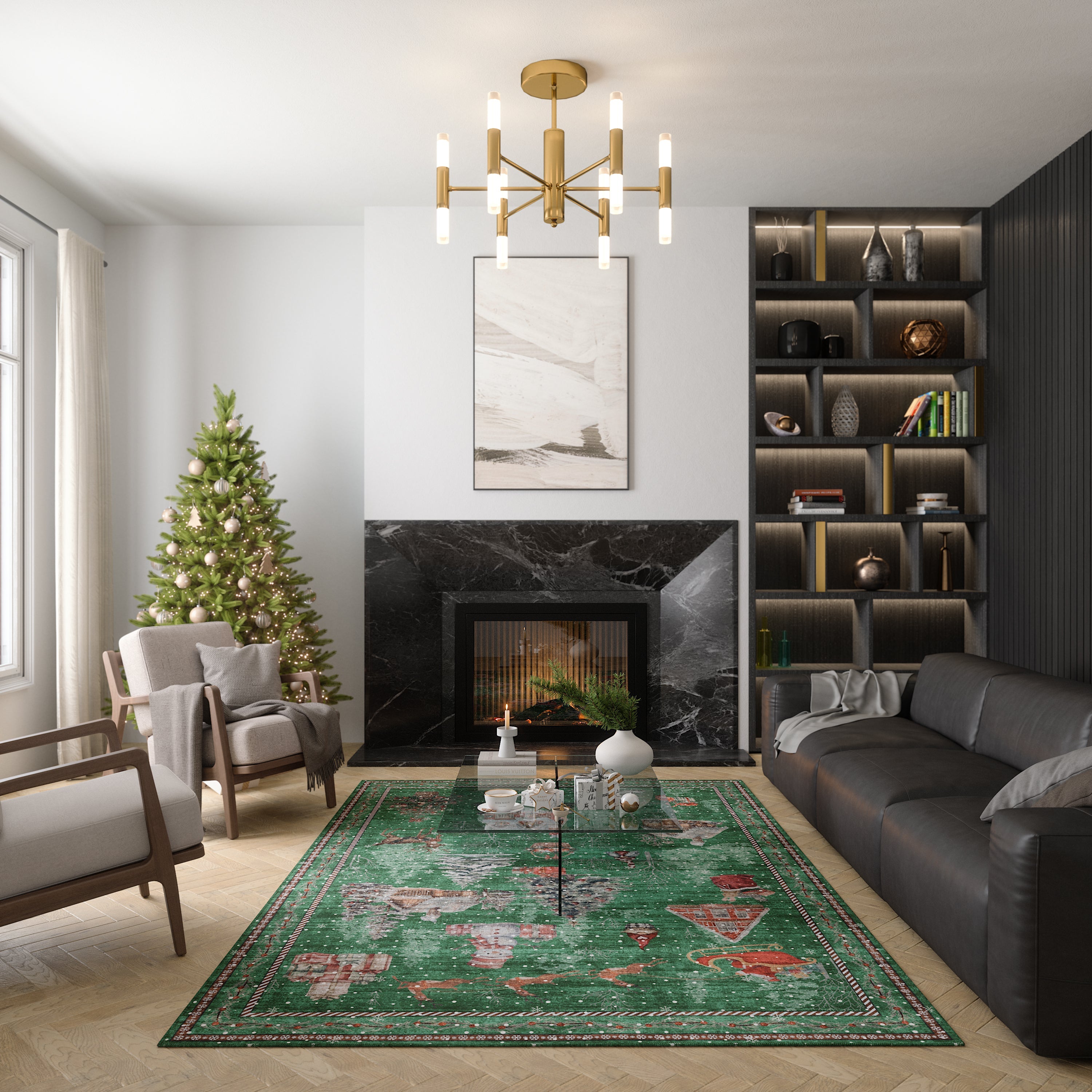
Bold rugs use strong, saturated colors such as deep navy, emerald, maroon, or multi-color patterns with high contrast. These rugs are designed to draw attention.
When to Use Bold Rugs
Bold rugs are suitable when:
-
The rug is meant to be the focal point
-
Furniture and walls are simple or monochrome
-
The space benefits from visual structure
Accent areas, creative studios, and large living rooms often accommodate bold rugs effectively. However, they should be used carefully to avoid overpowering the room.
Light vs Dark Color Rugs
Light-Colored Rugs
Light rugs make spaces feel open and airy. They work well in small rooms, low-ceiling areas, or homes aiming for a clean aesthetic. However, they require more maintenance and are better suited for low-traffic areas.
Dark-Colored Rugs
Dark rugs provide depth and hide stains better. They are practical for hallways, entryways, and homes with pets or children. Dark tones also help anchor large spaces and add visual weight where needed.
Matching Rug Colors With Room Function
Each room has unique requirements, and RugEditorial’s color categories support functional alignment:
-
Living Room: Neutral or balanced warm tones for versatility
-
Bedroom: Cool or soft neutral shades for comfort
-
Dining Area: Warm or darker colors for durability
-
Home Office: Muted cool or neutral tones for focus
Understanding how color interacts with room usage ensures the rug supports both design and daily living.
Final Thoughts on Choosing the Right Color Category
Selecting a rug is easier when color choices are structured and purposeful. RugEditorial’s color categories remove uncertainty by linking color, function, and design logic. This Guide to RugEditorial’s Color Categories & When to Use Them highlights that the right rug color is not about trends but about suitability, balance, and long-term usability.
By aligning rug color with room size, lighting, furniture, and function, buyers can achieve interiors that are cohesive, practical, and visually balanced.