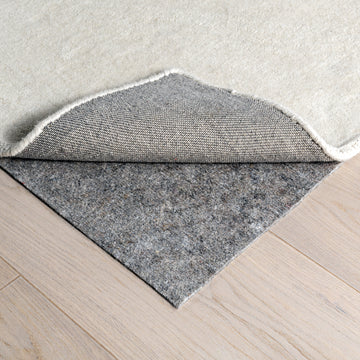



How to Layer an Area Rug Over Built-in Carpeting
Layering an area rug over built-in carpeting is a practical interior styling technique that helps define spaces, add structure, and improve visual balance in a room. While wall-to-wall carpet provides comfort and warmth, it can sometimes feel flat or visually monotonous. An area rug placed thoughtfully on top of carpet introduces contrast, anchors furniture, and enhances overall room proportions.explains how to layer an area rug over built-in carpeting correctly, covering rug selection, placement, safety considerations, and room-specific best practices.
Why Layer an Area Rug Over Carpet?
Layering is not limited to hardwood or tile floors. When done properly, it works equally well on carpeted surfaces.
Key reasons to layer rugs over carpet
-
Space definition: Helps separate functional zones in large or open rooms
-
Visual balance: Breaks up large carpeted areas with color or texture
-
Furniture anchoring: Keeps seating and tables visually grounded
-
Design flexibility: Allows seasonal or style changes without replacing carpet
Choosing the Right Area Rug for Carpeted Floors
Not all rugs perform well when placed over carpet. Selection plays a major role in both appearance and stability.
Focus on pile height and material
Choose a low-pile or flatweave rug. Thick rugs layered on plush carpeting tend to shift and create uneven surfaces.
Recommended rug types:
-
Flatweave rugs
-
Dhurries
-
Kilims
-
Low-pile wool or synthetic rugs
Avoid rugs with heavy padding or deep texture when layering over carpet.
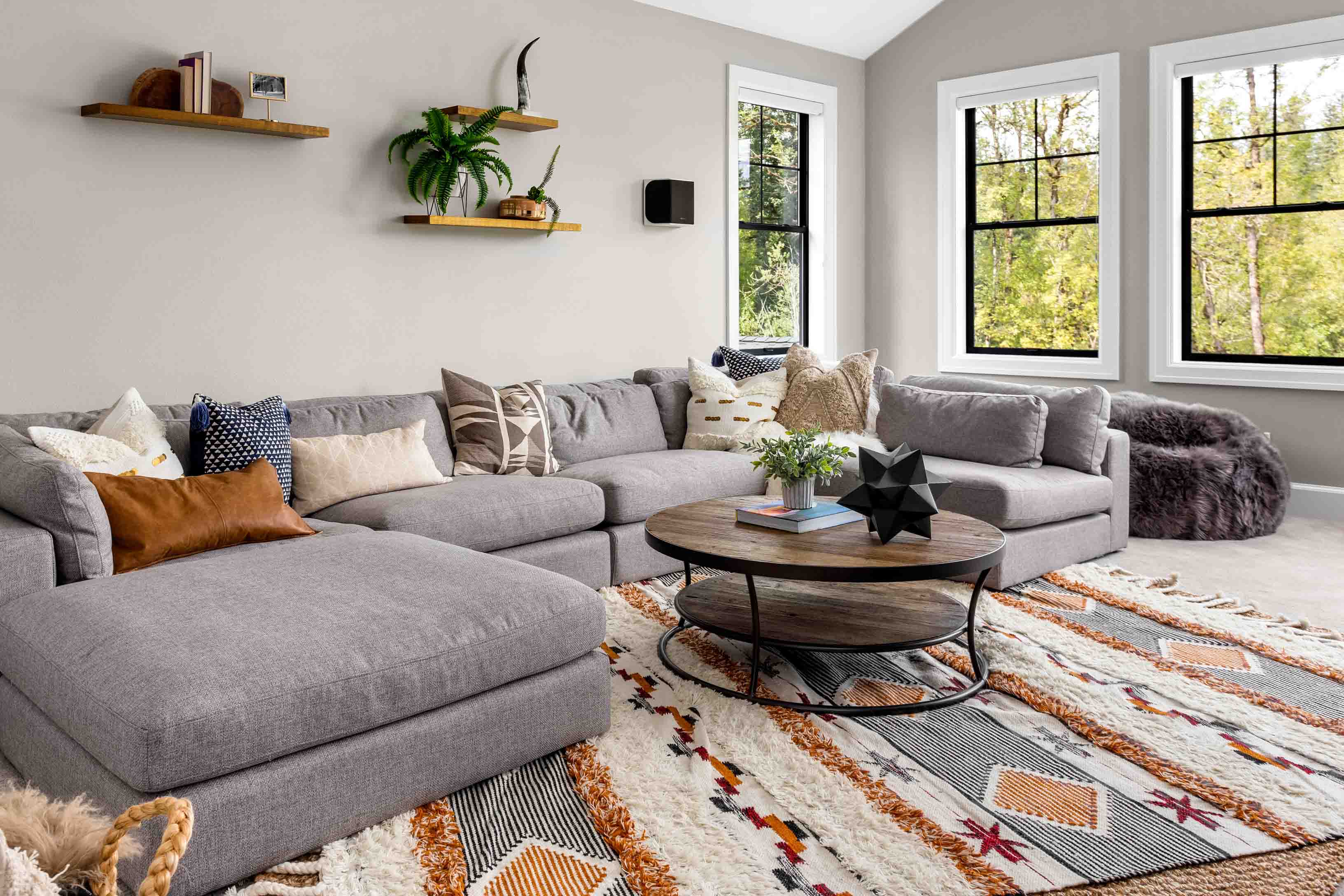
Size matters more than pattern
A rug that is too small will appear disconnected. The rug should be large enough to anchor key furniture pieces.
General sizing rule:
-
The front legs of sofas and chairs should rest on the rug
-
Dining rugs should extend beyond chair movement space
Preparing the Carpeted Surface
Before placing the rug, ensure the carpet is clean and evenly settled.
Carpet condition checklist
-
Carpet pile should be uniform and not overly soft
-
Avoid placing rugs over loose or worn carpet sections
-
Vacuum the area to remove trapped dust and debris
If the carpet is extremely plush, layering may not provide stable results.
How to Layer an Area Rug Over Built-in Carpeting Safely
Safety is often overlooked when layering rugs over carpeted floors.
Use non-slip support
A non-slip rug pad designed for carpet-on-carpet use helps reduce movement. Standard rug pads made for hard floors may not work effectively on carpet.
Secure furniture placement
Heavy furniture placed partially on the rug helps keep it in position and prevents curling or bunching.
Avoid high-traffic trip zones
Do not layer rugs in areas where edges may lift or where foot traffic is constant, such as narrow hallways.
Best Room-by-Room Placement Practices
Living rooms
Place the rug centrally under seating arrangements. The rug should connect the sofa, chairs, and coffee table visually.
Bedrooms
Layer an area rug beneath the lower two-thirds of the bed or place runners on each side. This adds structure without overwhelming the carpet.
Home offices
A flatweave rug under a desk area can visually define the workspace. Ensure chair movement remains smooth and stable.
Color and Pattern Coordination Tips
Layering works best when the area rug contrasts subtly with the carpet.
Use contrast, not conflict
-
Light carpet → medium or dark rug
-
Neutral carpet → patterned or textured rug
- Patterned carpet → solid or minimal-design rug
Avoid placing a busy rug over an already patterned carpet, as this reduces clarity and visual balance.
Common Mistakes to Avoid
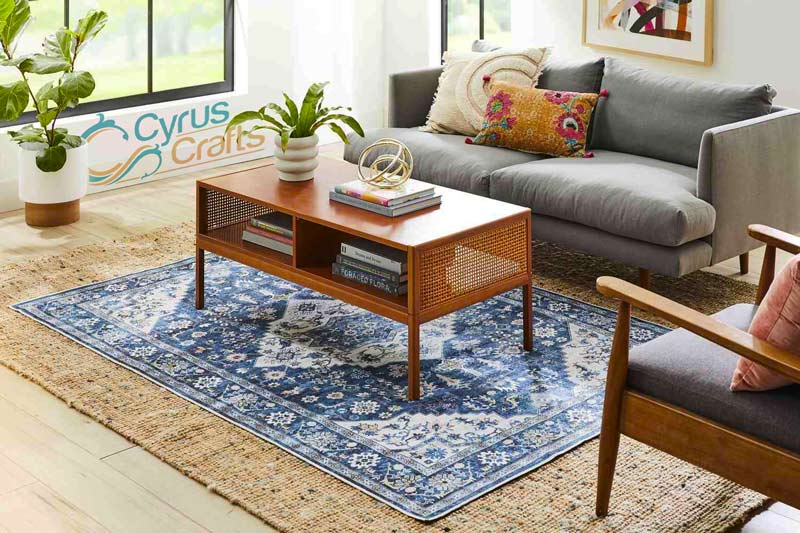
Using rugs that are too small
Small rugs float awkwardly and fail to anchor furniture.
Ignoring carpet thickness
Very soft or high-pile carpets make rug placement unstable.
Skipping rug pads entirely
Without grip support, rugs can shift and curl over time.
Over-layering
One well-placed rug is enough. Multiple rugs over carpet often look cluttered.
Final Thoughts
Learning how to layer an area rug over built-in carpeting is about balance, stability, and proportion. When the rug size, material, and placement are chosen carefully, layering enhances both function and appearance without compromising safety.
This approach allows homeowners and renters to refresh interiors, define spaces, and improve room structure without replacing existing carpet. With the right preparation and thoughtful choices, rug layering over carpet becomes a reliable and effective design solution.


