


How to Choose a Good Quality Rug: A Comprehensive Guide
A rug is more than a decorative addition to a room. It defines space, enhances comfort, and protects flooring from daily wear. However, selecting the right option requires more than choosing a pattern that matches your sofa. Material, construction, density, and maintenance all influence long-term performance. for homeowners who want durability, comfort, and value. By understanding key factors, you can make a well-informed decision that suits both your interior design and practical needs.
Understand Rug Materials Before You Buy
The first step in selecting a high-quality rug is understanding the material. Fiber type determines softness, durability, stain resistance, and maintenance requirements.
Natural Fibers
Natural fibers are widely valued for comfort and appearance.
-
Wool: Durable, soft, and naturally stain-resistant. Wool rugs maintain shape and texture over time and are suitable for high-traffic areas.
-
Cotton: Lightweight and affordable. Best for low-traffic rooms or layered styling.
-
Silk: Smooth and refined. Often used in decorative rugs rather than everyday use.
-
Jute and Sisal: Textured and eco-friendly. Ideal for casual spaces but less resistant to moisture.
Wool remains one of the most reliable options when evaluating how to choose a good quality rug because it balances comfort and strength.
Synthetic Fibers
Synthetic materials are engineered for performance and affordability.
-
Polypropylene: Stain-resistant and easy to clean.
-
Nylon: Strong and resilient in high-traffic spaces.
-
Polyester: Colorfast and budget-friendly.
For households with pets or children, synthetic rugs may offer easier maintenance compared to delicate natural fibers.

Evaluate Rug Construction Methods
Construction plays a major role in longevity. Even the best materials can underperform if poorly constructed.
Hand-Knotted Rugs
Hand-knotted rugs are crafted individually by artisans. They are durable, detailed, and often last for decades. The knot density indicates quality—higher knots per square inch typically reflect better craftsmanship.
Hand-Tufted Rugs
Hand-tufted rugs are created using a tufting gun. They offer a similar look to hand-knotted rugs but at a lower price point. However, they may shed initially and have a shorter lifespan.
Machine-Made Rugs
Machine-made rugs are consistent in pattern and affordable. While not as long-lasting as hand-knotted varieties, they can still provide good performance when constructed with quality fibers.
When considering How to Choose a Good Quality Rug: A Comprehensive Guide, always inspect the back of the rug. Clear, tight weaving is a positive indicator.
Check Rug Density and Pile Height
Rug density refers to how tightly fibers are woven or tufted together. A denser rug generally feels heavier and more durable.
-
High Density: Suitable for high-traffic areas like living rooms and hallways.
-
Low Density: Better for decorative or low-traffic spaces.
Pile height also affects comfort and maintenance.
-
Low Pile: Easier to clean and ideal for busy areas.
-
Medium Pile: Balanced comfort and practicality.
-
High Pile (Shag): Soft but harder to maintain.
When learning how to choose a good quality rug, remember that heavier rugs often indicate better material quality and construction strength.
Consider Size and Placement
Choosing the correct size improves room proportion and functionality.
Living Room
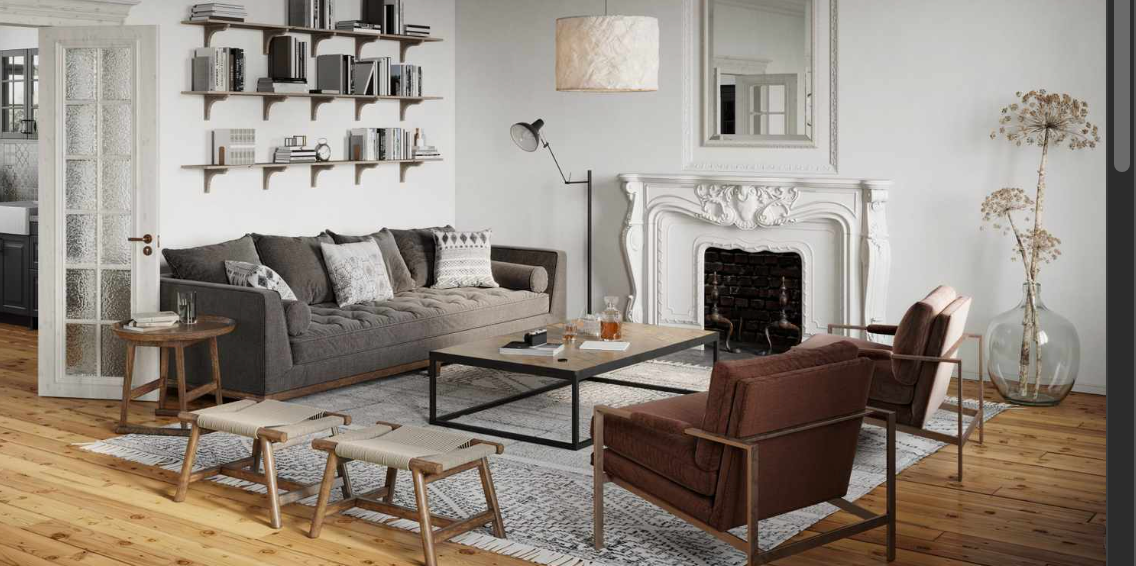
A rug should anchor major furniture pieces. Ideally, at least the front legs of sofas and chairs should rest on the rug.
Bedroom
For queen and king beds, the rug should extend beyond the sides and foot of the bed to provide comfort when stepping out.
Dining Room
Ensure the rug extends at least 24 inches beyond the dining table on all sides to accommodate chairs.
Incorrect sizing can reduce visual balance, even if the rug itself is high quality.
Assess Durability Based on Usage
Each room has different demands.
-
High-Traffic Areas: Choose wool or nylon with low to medium pile.
-
Low-Traffic Areas: Silk blends or decorative cotton rugs may work.
-
Outdoor Spaces: Look for weather-resistant synthetic materials.
If you are evaluating how to choose a good quality rug for a busy household, prioritize stain resistance and strong fiber resilience.
Inspect Color and Pattern Longevity
Color retention is another indicator of quality. Rugs dyed with natural or high-grade synthetic dyes maintain vibrancy longer.
-
Darker shades hide stains better.
-
Neutral tones adapt to evolving décor.
-
Patterns can conceal wear over time.
Avoid rugs where colors appear uneven or fade when lightly rubbed with a damp cloth.
Maintenance and Care Considerations
Even premium rugs require proper maintenance.
-
Vacuum regularly to prevent dust buildup.
-
Rotate rugs every few months to distribute wear.
-
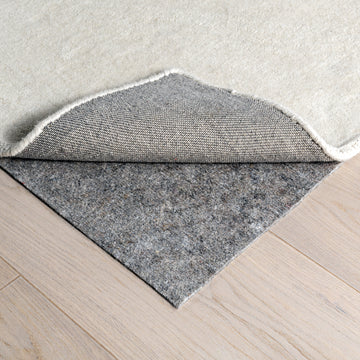
Use rug pads to prevent slipping and extend lifespan.
-
Professional cleaning is recommended for wool or silk rugs.
Understanding maintenance needs is essential when deciding how to choose a good quality rug that fits your lifestyle.
Budget vs. Long-Term Value
Price alone does not determine quality. Instead of focusing solely on cost, evaluate lifespan and usage.
A higher initial investment in a durable rug may reduce replacement costs over time. Hand-knotted wool rugs, for example, can last for decades with proper care.
Balance your budget with expected durability. A low-cost rug in a high-traffic area may require frequent replacement, reducing overall value.
Conclusion
Selecting the right rug requires attention to material, construction, density, size, and maintenance needs. By carefully evaluating these factors, you can ensure your purchase offers comfort, durability, and long-term performance.
A comprehensive guide provides a structured approach to making an informed decision. Whether furnishing a living room, bedroom, or hallway, a well-chosen rug enhances both aesthetics and practicality.