

Rug Placement Guide 2026: Best Tips for Every Room Layout
Choosing the right rug is only half the task. Proper placement determines how well it defines space, supports furniture arrangement, and enhances visual balance. This Rug Placement Guide 2026: Best Tips for Every Room Layout provides practical direction for positioning rugs in living rooms, bedrooms, dining areas, and other common spaces. With accurate sizing and placement, a rug can anchor a room and improve overall layout efficiency.
Why Rug Placement Matters in Interior Layout
Rugs serve both functional and visual purposes. They:
-
Define zones in open layouts
-
Protect flooring in high-traffic areas
-
Improve acoustics
- Add warmth and texture
Incorrect placement can make a room appear smaller or disconnected. A rug that is too small often floats in the center without grounding the furniture. A rug that is too large may overwhelm the layout. Understanding room proportions is essential before making a decision.

Living Room Rug Placement
The living room is one of the most common areas where rug positioning influences the entire layout.
All Legs on the Rug
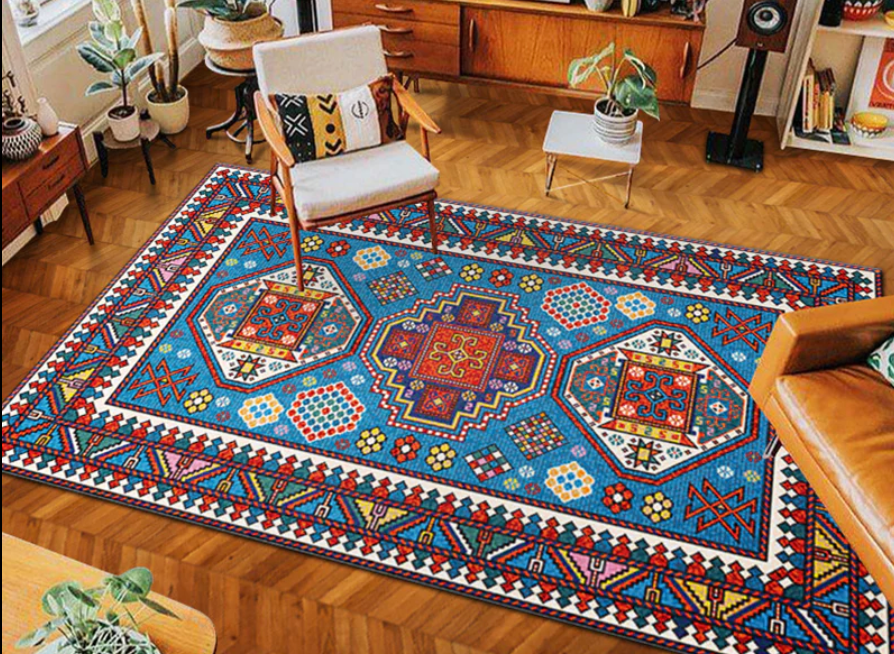
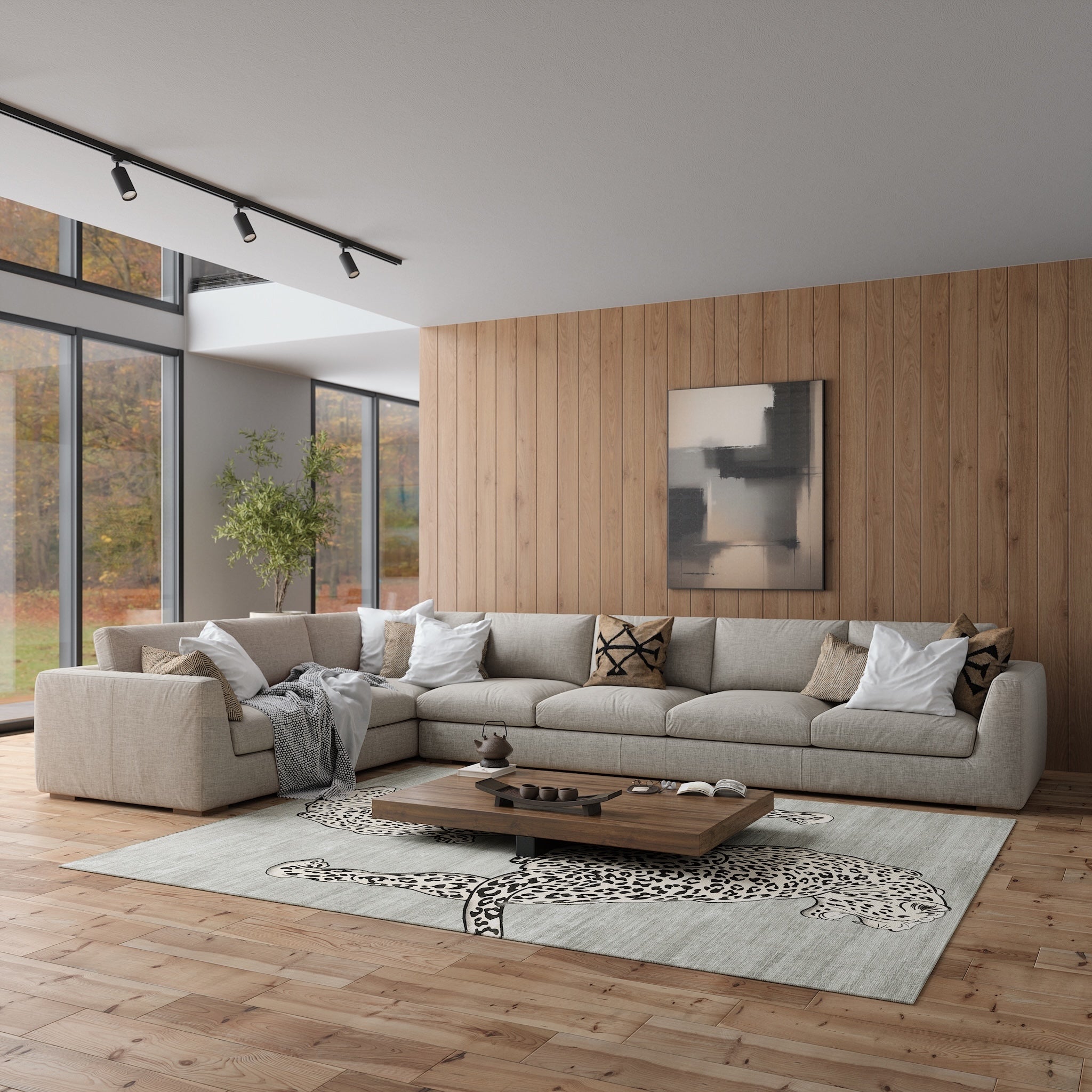
This approach works best in spacious living rooms. All major furniture pieces sofa, armchairs, and coffee table, sit fully on the rug. This creates a unified seating area and maintains visual symmetry.
Recommended for: Large rooms with open layouts.
Front Legs on the Rug
In medium-sized rooms, placing only the front legs of sofas and chairs on the rug creates cohesion without requiring an oversized rug. The rug should extend at least 6–8 inches beyond the furniture edges.
Recommended for: Standard living rooms with defined seating areas.
Coffee Table Only
This method places only the coffee table on the rug. While sometimes used in compact spaces, it can make the rug appear undersized if not carefully selected.
Recommended for: Small apartments or compact seating areas.
Bedroom Rug Placement
Bedroom layouts require careful measurement to maintain balance around the bed.
Large Rug Under the Bed
Position the rug under the bed so that it extends 18–24 inches on both sides and at the foot. Ideally, bedside tables should either sit entirely on or completely off the rug for consistency.
Suitable for: Master bedrooms with king or queen beds.
Two Runner Rugs
Placing identical runners on both sides of the bed is a practical alternative when using smaller rugs. This method works well in narrow rooms.
Suitable for: Compact bedrooms or guest rooms.
Rug at the Foot of the Bed
A medium-sized rug placed horizontally at the foot of the bed adds texture without covering the entire sleeping area.
Suitable for: Minimal layouts with limited space.
Dining Room Rug Placement
Dining room rugs must accommodate furniture movement.
Ensure Chair Clearance
The rug should extend at least 24 inches beyond the dining table on all sides. This allows chairs to slide in and out without catching on the rug edges.
Match Shape to Table
-
Rectangular table → Rectangular rug
-
Round table → Round rug
- Square table → Square rug
Maintaining shape consistency supports visual alignment.
Rug Placement in Open-Concept Spaces
Open layouts benefit from rugs that define zones without creating barriers.
Separate Functional Areas
Use rugs to distinguish the seating area from the dining section. Each rug should align with its respective furniture group.
Maintain Visual Flow
Avoid overlapping rugs unless intentionally layering. Leave consistent walking pathways between zones for smooth transitions.
Hallway and Entryway Rugs
Hallways and entrances experience high foot traffic. Proper sizing prevents awkward gaps.
Hallway Runners
Runners should leave equal floor margins on both sides, typically 3–5 inches. The rug should not touch the walls.
Entryway Rugs
In entry spaces, ensure doors can open freely over the rug. Choose durable materials for easier maintenance.

Standard Rug Size Guidelines
While room dimensions vary, these general measurements provide direction:
-
5’ x 8’ → Small living rooms or under coffee tables
-
8’ x 10’ → Standard living rooms and queen bedrooms
-
9’ x 12’ → Large living rooms or king bedrooms
- 2’ x 6’ or 2’ x 8’ → Hallways
Measure the furniture layout before purchasing to prevent sizing errors.
Common Rug Placement Mistakes to Avoid
-
Choosing a rug that is too small for the seating area
-
Ignoring chair clearance in dining rooms
-
Placing rugs too close to walls
-
Mixing inconsistent shapes
- Blocking natural walking paths
Avoiding these errors ensures better visual proportion and functional comfort.
Final Thoughts
Correct rug placement improves both aesthetics and practicality. Whether arranging a living room, bedroom, or open-plan space, accurate measurements and proportional alignment are essential. This Rug Placement Guide 2026 Best Tips for Every Room Layout outlines reliable placement strategies that can adapt to different home styles and room sizes.
By focusing on scale, spacing, and alignment of layout, you can ensure that your rug supports the overall design rather than disrupting it—careful planning results in a balanced and well-structured interior that remains functional for everyday use.