

Softest Rug Materials: A Guide to the Most Comfortable Rugs
Choosing the right rug is not only about color or design. Comfort plays an equally important role, especially in living rooms, bedrooms, and family spaces where you walk barefoot or sit on the floor. The texture underfoot can influence how welcoming and relaxing a room feels. Softest Rug Materials A Guide to the Most Comfortable Rugs explains which materials offer superior softness, durability, and suitability for different areas of the home. Understanding these materials helps you invest in a rug that combines comfort with long-term performance.
Why Rug Material Matters for Comfort
The softness of a rug depends primarily on its fiber composition. While pile height and weaving style affect texture, the core material determines how the rug feels, wears over time, and responds to cleaning.
Soft materials generally offer:
-
A cushioned surface underfoot
-
Improved insulation
-
Enhanced comfort for sitting or playing
-
A warm, inviting atmosphere
However, softness should also be balanced with durability, especially in high-traffic areas.

Natural Fibers Known for Superior Softness
Natural materials are often preferred for their texture and breathability. Below are the most comfortable options.
Wool Rugs
Wool is widely regarded as one of the softest and most durable rug materials. It offers a plush feel while maintaining structure over time.
Key benefits:
-
Naturally soft and resilient
-
Excellent insulation
-
Stain-resistant properties
-
Long lifespan
Wool rugs are ideal for living rooms and bedrooms where comfort and durability are both priorities. High-quality wool becomes even softer with use, making it a reliable long-term choice.
Silk Rugs
Silk provides an exceptionally smooth and luxurious surface. It is softer than wool and offers a subtle sheen that enhances visual appeal.
Key benefits:
-
Ultra-soft texture
-
Elegant finish
-
Lightweight and smooth
Silk rugs are best suited for low-traffic areas such as formal sitting rooms or decorative spaces. While extremely comfortable, they require careful maintenance due to their delicate nature.
Cotton Rugs
Cotton rugs offer a lighter, breathable softness compared to wool. They are commonly used in casual settings.
Key benefits:
-
Soft and flexible
-
Easy to clean
-
Affordable option
Cotton rugs work well in bedrooms, nurseries, and relaxed family spaces. They may not be as plush as wool or silk, but they provide comfortable texture at a practical price point.
Synthetic Materials That Feel Soft Underfoot
Modern manufacturing techniques have improved synthetic fibers, making them softer and more affordable alternatives to natural materials.
Polyester Rugs
Polyester is known for its smooth texture and vibrant color retention.
Key benefits:
-
Soft, velvety surface
-
Budget-friendly
-
Resistant to fading
Polyester rugs are a suitable option for households seeking comfort without a high cost. They perform well in medium-traffic areas.
Nylon Rugs
Nylon is valued for its durability, but it can also provide a soft feel when constructed with dense pile.
Key benefits:
-
Strong and resilient
-
Maintains texture under heavy use
-
Easy maintenance
Nylon rugs are ideal for high-traffic areas like hallways and family rooms while still offering comfort.
Microfiber and Shag Rugs
Microfiber and shag rugs are designed specifically for softness. With long, dense fibers, they create a plush, cushioned effect.
Key benefits:
-
Extremely soft surface
-
Comfortable for barefoot walking
-
Suitable for bedrooms and lounges
Shag rugs are particularly popular for creating cozy environments. However, they may require more frequent cleaning to maintain appearance.
Comparing Softness vs Durability
When selecting a rug, consider how the space will be used.
-
Bedrooms: Wool, silk, or shag rugs provide maximum comfort.
-
Living Rooms: Wool and high-quality polyester offer a balance of softness and durability.
-
Children’s Rooms: Cotton or microfiber rugs are soft and easier to maintain.
-
High-Traffic Areas: Nylon or tightly woven wool rugs maintain structure while still offering comfort.
Softness alone should not determine your choice. A rug that flattens quickly may lose its comfort advantage over time.
Factors That Influence Rug Comfort
Beyond material, several additional factors affect how soft a rug feels:
-
Pile Height: Higher pile generally feels softer.
-
Density: Dense fibers improve cushioning.
-
Backing Material: Adds support and stability.
-
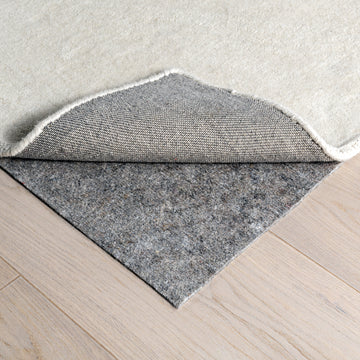
Padding: A quality rug pad enhances softness significantly.
Even moderately soft materials can feel more comfortable when paired with proper padding.
Maintenance Considerations
Soft rugs require consistent care to maintain texture. Regular vacuuming prevents fiber compression. Immediate stain treatment protects material integrity.
Natural fibers such as wool and silk may require professional cleaning. Synthetic materials are typically easier to maintain at home.
Understanding maintenance requirements ensures your rug remains comfortable over time.
Conclusion
Selecting the right rug material directly influences comfort, durability, and overall room ambiance. Wool offers a balanced combination of softness and longevity. Silk provides a refined, smooth finish for low-traffic spaces. Cotton delivers lightweight comfort, while polyester and microfiber present affordable soft alternatives.
This overview of Softest Rug Materials: A Guide to the Most Comfortable Rugs helps you evaluate options based on comfort, usage, and care requirements. By considering material quality, pile density, and room function, you can choose a rug that enhances both comfort and practicality in your home.