


The Ultimate Rug Pad Guide: How to Choose the Best Rug Pad?
A rug can transform a space, but without the right support underneath, even a premium rug may wear out quickly. A rug pad is not just an accessory; it protects flooring, improves comfort, and extends the life of your rug.serves as The Ultimate Rug Pad Guide How to Choose the Best Rug Pad, helping homeowners make informed decisions based on floor type, rug material, thickness, and usage requirements.
Why a Rug Pad Is Essential
Many homeowners underestimate the importance of a rug pad. However, it performs several critical functions:
-
Prevents slipping and improves safety
-
Reduces friction between rug and floor
-
Adds cushioning underfoot
-
Enhances durability of the rug
-
Protects hardwood, tile, and laminate floors
Without a rug pad, rugs tend to shift, bunch up, or experience premature fiber damage due to constant friction.
Types of Rug Pads Available
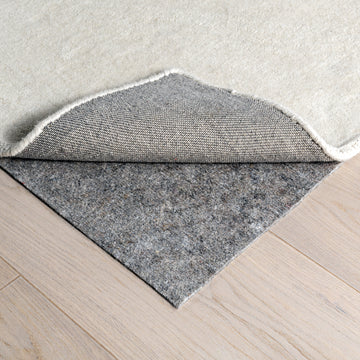
Choosing the correct rug pad begins with understanding available materials.
Rubber Rug Pads
Rubber pads offer strong grip and are ideal for high-traffic areas. They prevent slipping and are suitable for hardwood or tile flooring. Natural rubber pads are preferable to synthetic ones, as they reduce the risk of floor discoloration.
Felt Rug Pads
Felt pads focus on cushioning rather than grip. They are commonly used under large rugs anchored by furniture. Felt provides comfort and noise reduction but may require additional non-slip backing.
Combination Felt and Rubber Pads
These combine the benefits of both materials grip from rubber and comfort from felt. They are often recommended for living rooms, dining areas, and bedrooms.
PVC and Synthetic Pads
These are lower-cost options but may not provide long-term durability. Some synthetic materials can react with certain floor finishes, so careful selection is necessary.
How to Choose the Best Rug Pad Based on Floor Type
Flooring type plays a significant role in pad selection.
Hardwood Floors
For hardwood surfaces, select a non-staining natural rubber pad or felt-rubber combination. Avoid PVC materials that can leave residue or cause discoloration over time.
Tile and Stone Floors
Rubber-backed pads provide excellent grip on smooth tile or stone surfaces. Moisture resistance is also important in kitchens or entryways.
Carpeted Floors
On carpet, a dense felt pad works best. The goal here is cushioning and preventing rug movement without excessive grip.
Selecting the Right Thickness
Rug pad thickness influences both comfort and stability.
-
1/8 inch to 1/4 inch: Suitable for high-traffic areas and under furniture
-
1/4 inch to 3/8 inch: Ideal for living rooms and bedrooms
-
Over 1/2 inch: Adds softness but may reduce stability in busy areas
Excessive thickness can create tripping hazards. Balance cushioning with safety, especially in hallways and entry points.
Matching Rug Pad to Rug Type
Different rugs require different levels of support.
Wool Rugs
Wool rugs benefit from felt-based pads that reduce wear and maintain fiber integrity.
Synthetic Rugs
These typically require anti-slip backing. Combination pads are often suitable.
Flatweave Rugs
Thin rugs need additional cushioning. A slightly thicker felt pad can enhance comfort and structure.
Key Features to Consider
When evaluating options in The Ultimate Rug Pad Guide: How to Choose the Best Rug Pad?, consider the following:
Non-Slip Performance
Ensure the pad provides adequate grip without damaging the floor surface.
Breathability
A breathable pad prevents moisture buildup and protects hardwood floors.
Durability
High-density felt pads tend to last longer and maintain structure over time.
Eco-Friendly Materials
Natural rubber and recycled felt options reduce environmental impact and often offer better floor compatibility.
Proper Sizing and Installation
A rug pad should be approximately one inch smaller than the rug on all sides. This prevents edges from showing and ensures a clean appearance.
Steps for installation:
-
Place the pad on a clean, dry floor
-
Lay the rug evenly over the pad
-
Adjust corners to eliminate wrinkles
-
Ensure full contact between rug and pad
Routine inspection helps maintain performance.
Maintenance and Longevity
To extend the lifespan of both rug and pad:
-
Vacuum regularly
-
Rotate rugs every few months
-
Check for moisture in humid areas
-
Replace pads showing signs of compression or wear
A quality rug pad can last several years, depending on traffic levels and material quality.
Final Thoughts
Selecting the right support layer underneath your rug is a practical investment. From enhancing comfort to protecting floors and extending rug life, the benefits are measurable.
By following The Ultimate Rug Pad Guide How to Choose the Best Rug Pad: Homeowners can confidently evaluate materials, thickness, floor compatibility, and durability requirements.
A carefully chosen rug pad ensures that your flooring and rugs remain in excellent condition for years to come.