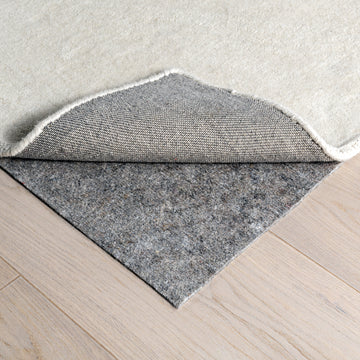



How to Choose the Right Rug Material for Your Home
Selecting the perfect rug for your home goes beyond simply picking a design or color. Understanding how to choose the right rug material for your home is essential to ensure comfort, durability, and ease of maintenance. Rugs play a significant role in enhancing your interior’s aesthetic while also serving practical purposes, such as providing warmth, reducing noise, and protecting flooring. This will help you navigate the different rug materials and determine which one suits your home best.
Why Rug Material Matters
The material of a rug directly impacts its durability, feel, and maintenance requirements. While some materials are soft and luxurious, others are designed to withstand heavy foot traffic. Choosing the right material ensures your rug not only looks good but also lasts longer and fits your lifestyle. For instance, a high-traffic area like the living room may require a durable and easy-to-clean material, while a bedroom can accommodate softer and more delicate options.
Common Rug Materials
Wool Rugs
Wool is a classic and popular rug material. Known for its natural softness and resilience, wool rugs provide excellent insulation and comfort underfoot. They are highly durable and resistant to stains, making them ideal for living rooms, bedrooms, and even dining areas. Wool also has natural fire-resistant properties, adding an extra layer of safety to your home. While wool rugs are generally more expensive than synthetic options, their longevity and comfort often justify the investment.
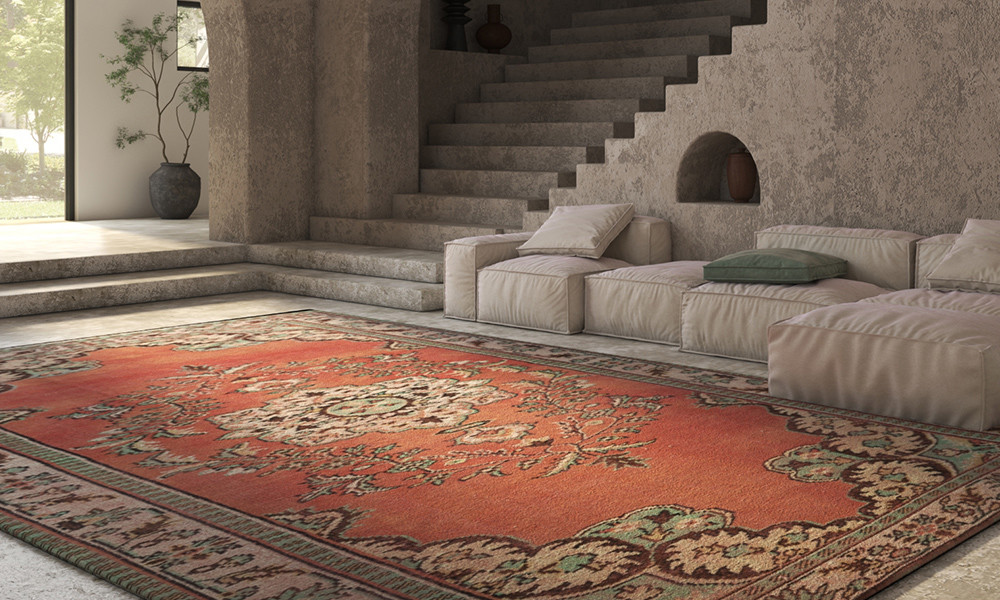
Cotton Rugs
Cotton rugs are lightweight, soft, and easy to clean. They are suitable for casual areas, kitchens, and bedrooms. Cotton rugs can often be machine-washed, which makes them convenient for homes with children or pets. However, they may wear out faster than wool or synthetic rugs if placed in high-traffic areas. Cotton rugs are versatile in style and design, offering a range of colors and patterns.
Synthetic Rugs
Synthetic materials, such as nylon, polyester, and polypropylene, offer affordability and durability. These rugs are resistant to stains, fading, and moisture, making them ideal for high-traffic areas and outdoor spaces. Synthetic rugs can mimic the look and feel of natural fibers at a lower cost, and they are generally easier to clean. However, they may not provide the same warmth and softness as natural fibers, so consider their placement carefully.
Silk Rugs
Silk rugs are known for their luxurious texture and elegant sheen. They are soft and smooth to touch, making them suitable for low-traffic areas like bedrooms or formal living rooms. Silk rugs are delicate and require careful maintenance, including professional cleaning. While expensive, they are often considered investment pieces due to their beauty and intricate designs. If you want a rug that adds a sophisticated touch, silk can be an excellent choice.
Jute and Sisal Rugs
Natural fiber rugs like jute and sisal offer a rustic, earthy appeal. They are durable and eco-friendly, suitable for living rooms, hallways, and offices. These rugs have a coarse texture and are less soft underfoot compared to wool or cotton. They are also more challenging to clean, as they can absorb moisture and stains easily. Jute and sisal rugs are best for adding texture and natural charm to your interiors.
Factors to Consider When Choosing Rug Material
Durability and Usage
When learning how to choose the right rug material for your home, consider the room’s foot traffic. High-traffic areas require materials that resist wear and tear, such as wool or synthetic fibers. For low-traffic spaces, you can prioritize comfort and aesthetics with softer materials like silk or cotton.
Maintenance
Maintenance is an essential factor. Some materials, like cotton and synthetics, are easy to clean and maintain, while others, like silk or jute, require special care. Consider how much time and effort you are willing to spend on upkeep before selecting a rug material.

Comfort and Feel
The texture and softness of a rug contribute to the comfort of your space. Wool and silk rugs are soft and luxurious, making them perfect for bedrooms and lounges. In contrast, natural fibers like jute or sisal have a rougher feel, suitable for adding visual interest but not ideal for bare feet.
Allergies and Health Considerations
Some rug materials can trigger allergies due to dust accumulation or fibers. Synthetic rugs and wool are often hypoallergenic, while natural fibers like jute may require more frequent cleaning. Consider any health sensitivities when choosing a rug for your home.
Style and Design
The rug material can influence the overall look of your room. Wool and silk rugs offer a classic and elegant appearance, while cotton and synthetic rugs can provide contemporary or casual designs. Natural fiber rugs like jute and sisal add a rustic charm, complementing neutral and earthy interiors.
Conclusion
Understanding how to choose the right rug material for your home ensures that your investment enhances both the beauty and functionality of your space. By considering durability, maintenance, comfort, health, and style, you can select a rug that meets your needs and complements your home’s décor. Whether you choose the timeless elegance of wool, the practicality of synthetic fibers, or the luxurious feel of silk, the right rug material will bring warmth and character to your living space.