

How to Select Rugs That Fit Your Space and Furniture
Choosing the right rug is not just about color or pattern. The size, placement, and relationship between the rug and your furniture play a direct role in how balanced and functional a room feels. Many rooms look unfinished or cluttered simply because the rug does not fit the space correctly.
Using clear rules, practical layouts, and room-specific examples. Whether you are furnishing a new home or correcting an existing setup, these guidelines help you make confident decisions.
Why Rug Size Matters More Than Design
A well-chosen rug defines zones, anchors furniture, and improves movement flow within a room. An incorrectly sized rug can make even high-quality furniture look disconnected.
Key reasons rug size matters:
-
It visually ties furniture together
-
It prevents rooms from feeling empty or overcrowded
-
It supports proper walking and seating comfort
-
It improves symmetry and proportion
Before focusing on patterns or materials, size and placement should always come first.
Measure Your Space Before Choosing a Rug
Start With the Room Dimensions
Always measure the usable floor area, not just the room size. Consider door swings, walkways, and fixed furniture.
Important measurements to note:
-
Length and width of the room
-
Distance between walls and furniture
-
Clearance is needed for movement
Avoid estimating by eye. Accurate measurements prevent common sizing mistakes.
Leave Consistent Border Space
A general rule is to leave 8 to 18 inches of bare floor between the rug edge and the walls. This creates a framed look and keeps the rug from overpowering the room.
Smaller rooms typically require narrower borders, while larger rooms can handle wider spacing.

How to Select Rugs That Fit Your Space and Furniture in Living Rooms
Common Living Room Rug Layouts
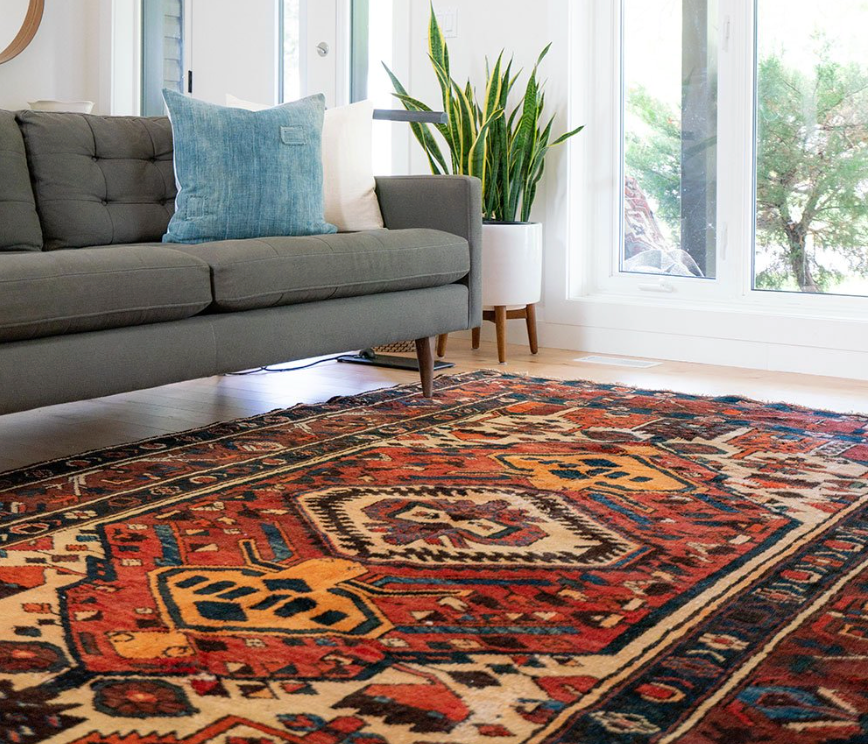
All Furniture on the Rug
Best for large living rooms. All seating furniture legs rest fully on the rug, creating a unified seating area.
Front Legs on the Rug
A practical option for medium-sized rooms. The front legs of sofas and chairs sit on the rug while the back legs remain off.
Coffee Table Only
Works only in very small spaces. The rug should still extend beyond the table on all sides.
Key Living Room Sizing Rules
-
The rug should be wider than the sofa
-
At least the front legs of the seating should touch the rug
-
Avoid rugs that float in the center without furniture contact
A rug that is too small breaks the visual connection between furniture pieces.
Choosing the Right Rug Size for Bedrooms
Standard Bedroom Rug Placement Options
Under the Bed (Full Coverage)
Place the rug under the bed, extending at least 18 to 24 inches beyond the sides and foot. This provides comfort when stepping out of bed.
Partial Coverage
The rug starts under the lower two-thirds of the bed and extends outward. This option works well for medium rooms.
Runners on Each Side
Suitable for compact bedrooms where a full rug may not fit.
Bedroom Rug Guidelines
-
Rugs should extend beyond nightstands if possible
-
Avoid placing rugs only under the foot of the bed
-
Ensure both sides of the bed have equal rug exposure
Bedroom rugs should enhance comfort while maintaining symmetry.

Dining Room Rug Selection and Placement
Size Rules for Dining Areas
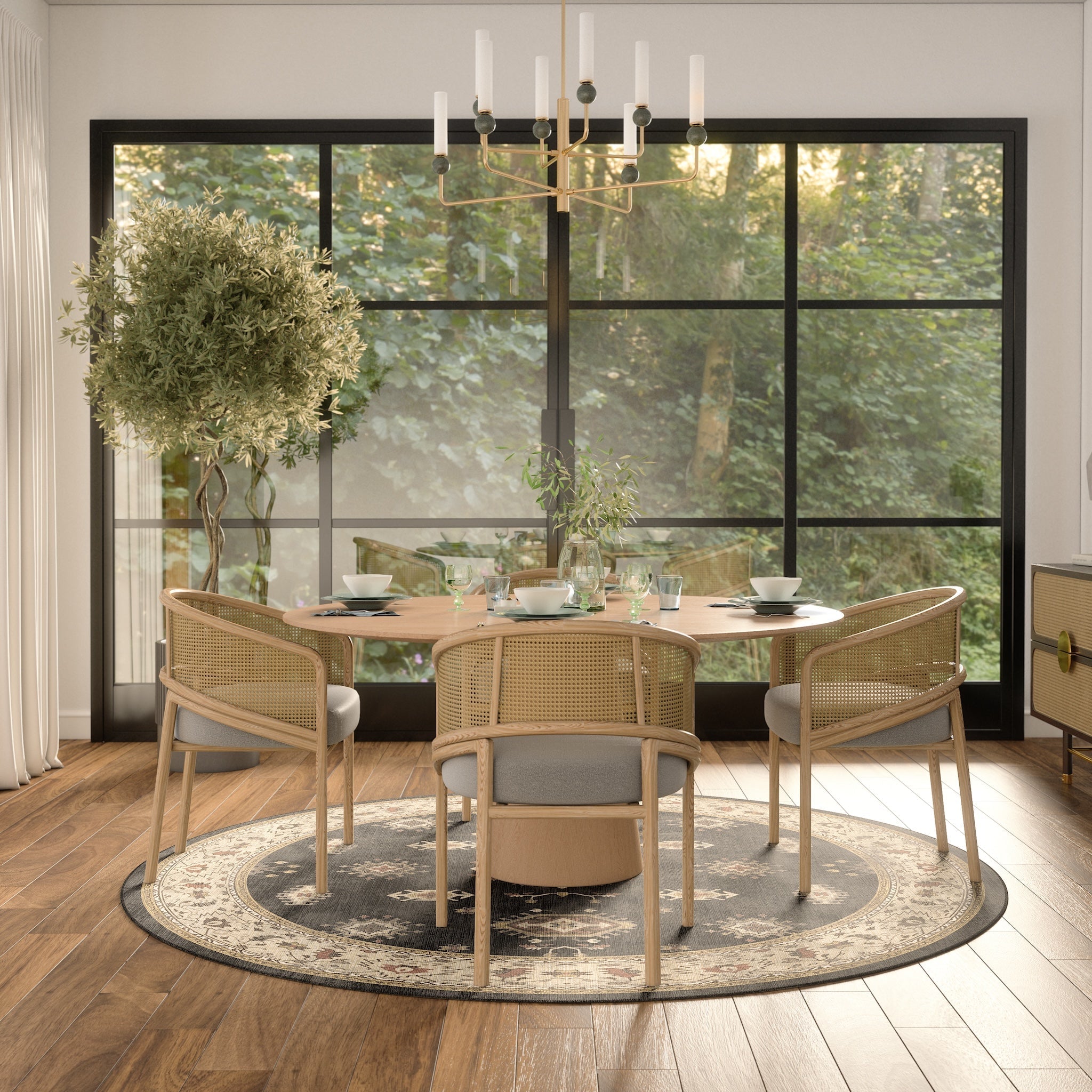
Dining room rugs must account for chair movement. Chairs should remain fully on the rug even when pulled out.
Recommended sizing:
-
Rug should extend 24 to 30 inches beyond the table on all sides
-
Rectangular tables pair best with rectangular rugs
-
Round tables work well with round or square rugs
Practical Dining Room Tips
-
Flat-weave rugs are easier to clean
-
Avoid thick piles that obstruct chair movement
-
Ensure table and rug shapes align visually
A properly sized rug keeps dining areas functional and visually organized.

Selecting Rugs for Open Floor Plans
Open layouts benefit greatly from correct rug placement. Rugs help define separate areas without walls.
Zoning With Rugs
Use rugs to:
-
Separate seating from dining
-
Define workspaces
-
Create visual flow between areas
Each rug should match the furniture zone it supports while maintaining consistent spacing across the room.
Keep Proportions Balanced
Avoid mixing rugs that differ significantly in size or style within the same open space. Consistency improves visual continuity.
Conclusion
Understanding how to select rugs that fit your space and furniture requires more than choosing a design you like. Correct sizing, thoughtful placement, and alignment with furniture are what create a cohesive and comfortable room.
By measuring carefully, following room-specific guidelines, and avoiding common mistakes, you can choose rugs that enhance both appearance and functionality. A well-fitted rug does not draw attention to itself it brings the entire space together naturally.