

Rugs Guide 2026: Styling Gradient Carpets for Your Home
Gradient carpets are becoming a preferred choice for homeowners who want a balanced mix of colour, texture, and visual depth. Unlike plain rugs, gradient carpets use soft colour transitions to create movement in a room without making the space feel crowded. Whether you are decorating a living room, bedroom, hallway, or study area, the right gradient rug can connect furniture, flooring, and wall colours naturally.
This Rugs Guide 2026: Styling Gradient Carpets for Your Home explains how to choose, place, and maintain gradient carpets in a practical way. From colour selection to furniture pairing, each section will help you make better styling decisions for modern and traditional interiors.
What Are Gradient Carpets?
Gradient carpets are rugs designed with gradual colour changes. The shift may move from light to dark, warm to cool, or from one shade into another. Some designs use subtle tonal changes, while others create a stronger visual contrast.
These carpets work well because they add interest without depending on complex patterns. A soft beige-to-brown gradient can make a room feel warm, while a blue-to-grey rug can create a calm and modern look. Since the design is based on transition, gradient carpets often suit both minimal and layered interiors.
Why Gradient Rugs Are Useful in Home Styling
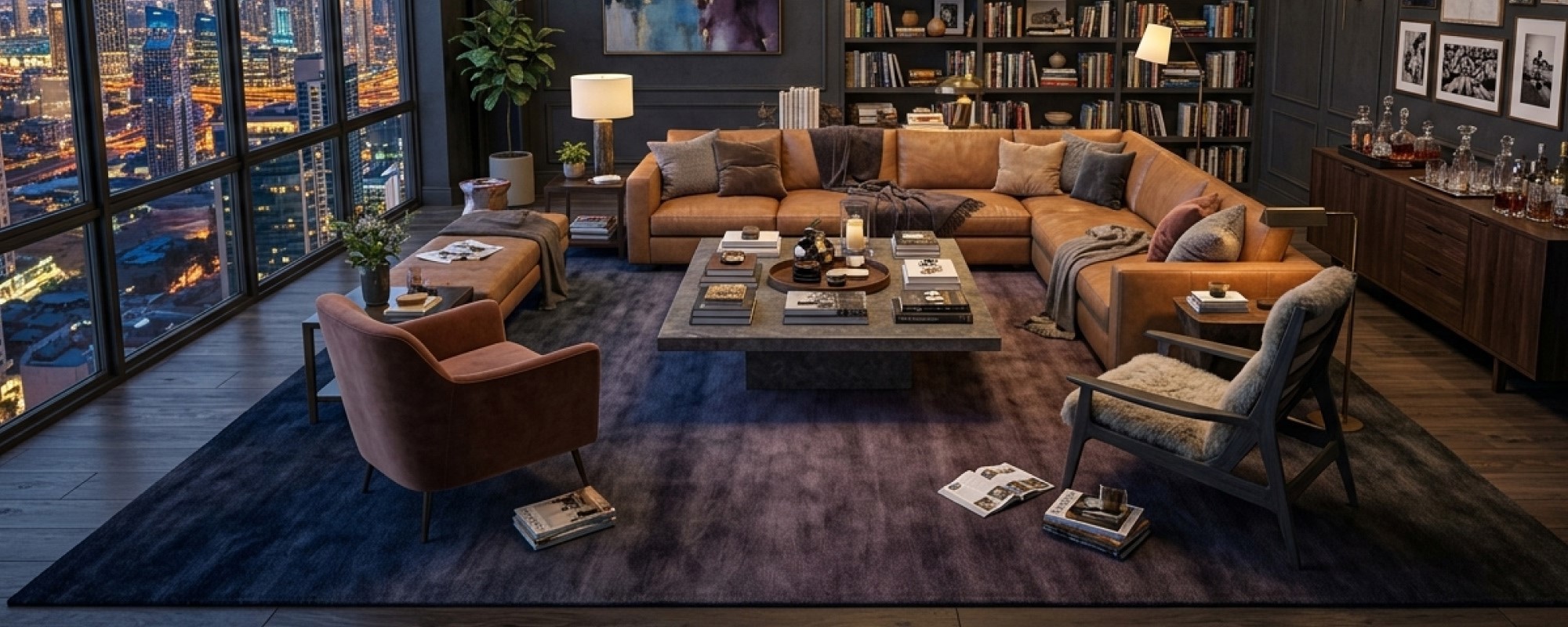
Gradient rugs can solve many common design problems. They can soften a room with too many straight lines, add colour to neutral interiors, or connect mixed furniture finishes. If your room has both light and dark elements, a gradient carpet can act as a bridge between them.
For example, a living room with a dark sofa and light flooring may feel disconnected. A rug that moves from charcoal to cream can create a smoother visual link. This makes the room feel more planned and complete.
How to Choose the Right Gradient Carpet
Selecting the right gradient rug depends on room size, existing colours, furniture style, and daily use. A rug should support the room design rather than compete with it.
Match the Colour Palette
Start by looking at the colours already present in your room. Check your wall paint, curtains, sofa, cushions, flooring, and wooden finishes. Choose a gradient carpet that includes at least one colour already visible in the space.
For neutral rooms, choose rugs with beige, ivory, grey, taupe, or brown transitions. For modern rooms, blue-grey, green-grey, or black-white gradients can work well. For warmer spaces, rust, terracotta, gold, or sand-toned gradients can add comfort.
Consider the Room Size
In smaller rooms, avoid very dark or high-contrast gradient carpets. These can make the room feel tighter. Light gradients with soft transitions are better because they keep the space open.
For larger rooms, you can use deeper shades and stronger gradients. A large living room can handle a rug with a bold colour shift, especially if the furniture is simple and the walls are neutral.
Choose the Right Material
Material affects comfort, durability, and maintenance. Wool rugs are durable and naturally soft, making them suitable for living rooms and bedrooms. Cotton rugs are lighter and easier to move, but they may not feel as plush. Synthetic materials such as polyester or polypropylene are often easier to clean and can work well in busy homes.
For high-traffic areas, choose a low-pile gradient carpet. For bedrooms or lounge areas, a medium or high-pile rug can add softness underfoot.
Styling Gradient Carpets in Different Rooms
Gradient carpets can be used in many areas of the home, but placement matters. The rug should define the space and support the furniture layout.
Living Room Styling
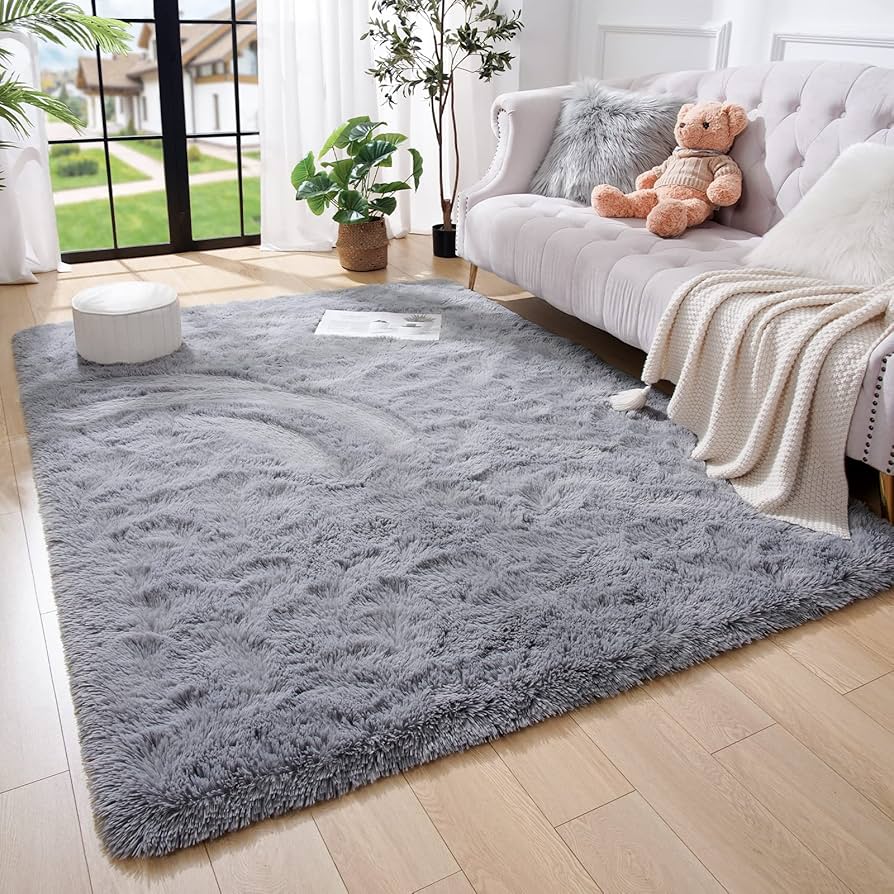
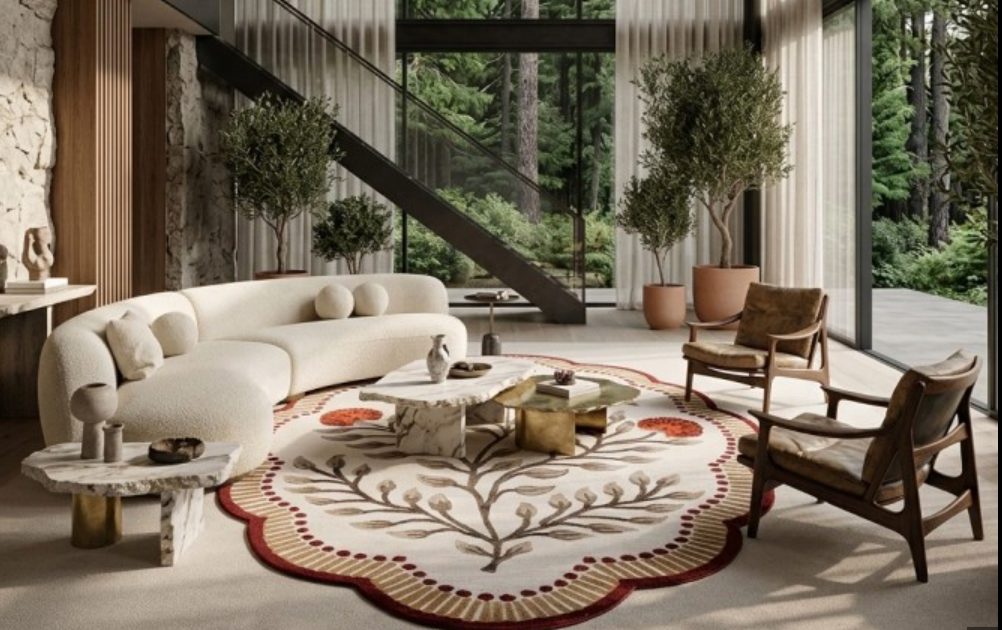
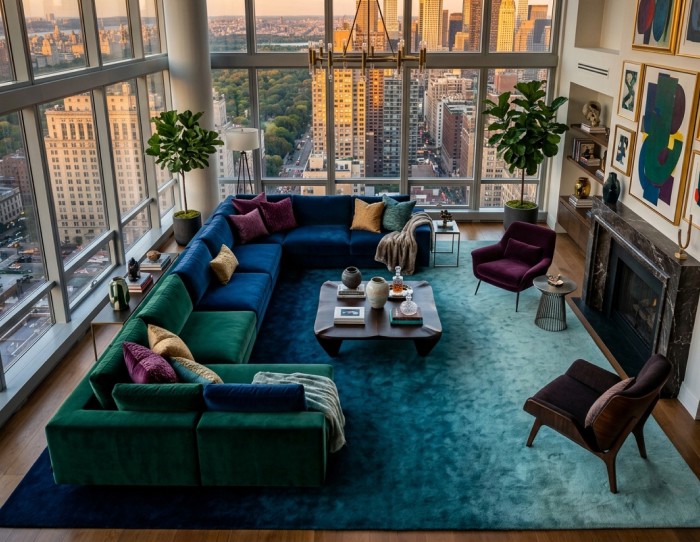
In the living room, place the gradient rug under the main seating area. Ideally, the front legs of the sofa and chairs should rest on the rug. This creates a connected seating zone.
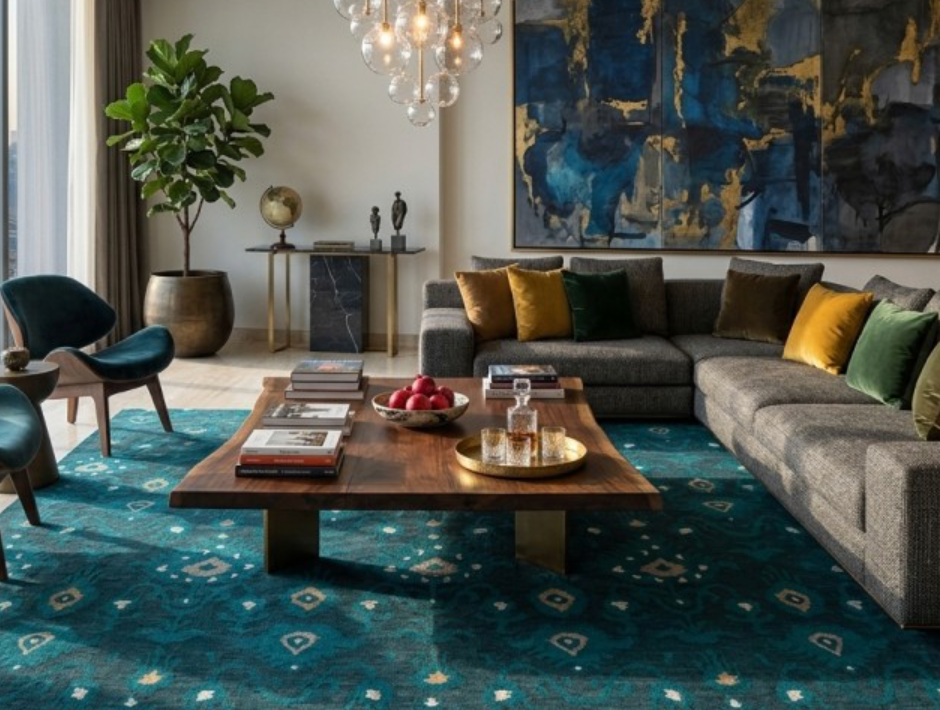
If your sofa is plain, you can choose a rug with a more visible gradient. If your sofa or cushions already have patterns, choose a softer colour transition. This keeps the room visually balanced.
Bedroom Styling
For bedrooms, gradient carpets can make the space feel calm and layered. Place a large rug under the bed, leaving enough rug visible on both sides. Soft gradients such as cream-to-beige, grey-to-blue, or blush-to-ivory work well in bedrooms.
A gradient rug can also be placed at the foot of the bed if you do not want a full-size rug. This adds comfort without covering too much flooring.
Dining Room Styling
In dining rooms, choose a gradient carpet that is large enough for the table and chairs. The chairs should remain on the rug even when pulled out. Low-pile rugs are better for dining areas because they are easier to clean and allow chairs to move smoothly.
Avoid very light shades directly under dining tables if the space is used daily. Medium tones are more practical for stains and regular wear.
Hallway and Entryway Styling
Gradient runners can make hallways look longer and more polished. Choose durable, low-pile rugs for these spaces. A darker gradient near the entry area can help hide dust and footmarks.
For narrow hallways, avoid busy designs. A simple gradient runner can add depth without making the passage feel crowded.
Common Mistakes to Avoid
One common mistake is choosing a rug that is too small. A small rug can make furniture look disconnected. Always measure the space before buying.
Another mistake is selecting a gradient that clashes with existing colours. The rug should not introduce too many new shades. It should support the room palette.
Also, avoid placing a bold gradient carpet in a room that already has many strong patterns. In such cases, a subtle tonal gradient will look more refined.
Care Tips for Gradient Carpets
Regular care helps maintain the colour and texture of your rug. Vacuum the carpet once or twice a week, depending on foot traffic. Rotate the rug every few months so that sunlight and wear are evenly distributed.
Clean spills immediately with a dry cloth. Avoid rubbing, as this can push the stain deeper into the fibres. For delicate materials such as wool or silk blends, professional cleaning is safer.
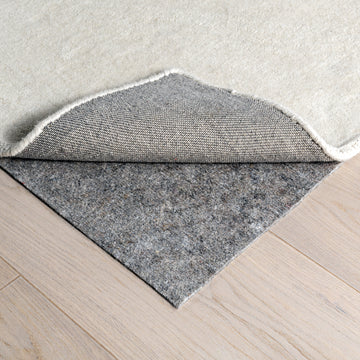
Use a rug pad under the carpet to prevent slipping and reduce friction with the floor. This also helps the rug keep its shape for a longer time.
Final Thoughts
Gradient carpets are a practical and stylish choice for homes in 2026. They add colour, depth, and softness without overwhelming the room. The key is to choose the right size, colour transition, material, and placement.
This Rugs Guide 2026: Styling Gradient Carpets for Your Home shows that gradient rugs can work in living rooms, bedrooms, dining areas, and hallways when selected carefully. With proper styling and regular care, a gradient carpet can become a long-lasting part of your home interior.