

The Ultimate Rug Placement Guide: Best Placement Tips for Every Room
Choosing the right rug is only half the task. Correct placement is what truly brings a room together. A well-positioned rug can define spaces, improve proportions, and create a sense of comfort, while poor placement can make even the most beautiful rug feel out of place. This article serves as The Ultimate Rug Placement Guide: Best Placement Tips for Every Room, offering practical, room-by-room advice to help you achieve a balanced and polished interior.
Why Rug Placement Matters
Rugs influence how a room feels and functions. They help anchor furniture, guide movement, and visually connect design elements. When placed correctly, a rug can make a small room appear larger or add structure to an open-plan layout. When placed incorrectly, it can disrupt flow and make the space feel unfinished.
Understanding scale, spacing, and alignment is essential before placing a rug in any room.
General Rug Placement Rules to Follow
Before diving into individual rooms, keep these universal guidelines in mind.
Choose the Right Size First
A rug that is too small is one of the most common mistakes. Ideally, a rug should be large enough to sit under key furniture pieces rather than floating in the center of the room.
Maintain Consistent Spacing
Leave equal floor space between the rug edges and walls. In most rooms, 8 to 18 inches of exposed floor around the rug works well, depending on room size.
Align with Furniture
Rugs should align with the layout of the furniture, not the walls alone. This helps define seating and functional areas more clearly.

Rug Placement in the Living Room
The living room is often the focal point of a home, making rug placement especially important.
All Furniture on the Rug
In larger living rooms, place all major furniture pieces, including sofas and chairs, fully on the rug. This creates a unified seating area and works best with large rugs.
Front Legs on the Rug
For medium-sized rooms, placing only the front legs of sofas and chairs on the rug provides balance without overwhelming the space.
Coffee Table Centered
In smaller living rooms, a rug placed under the coffee table alone can work, but ensure it is large enough to visually connect surrounding furniture.
Rug Placement in the Bedroom
Bedroom rugs should add warmth and comfort while complementing the bed placement.
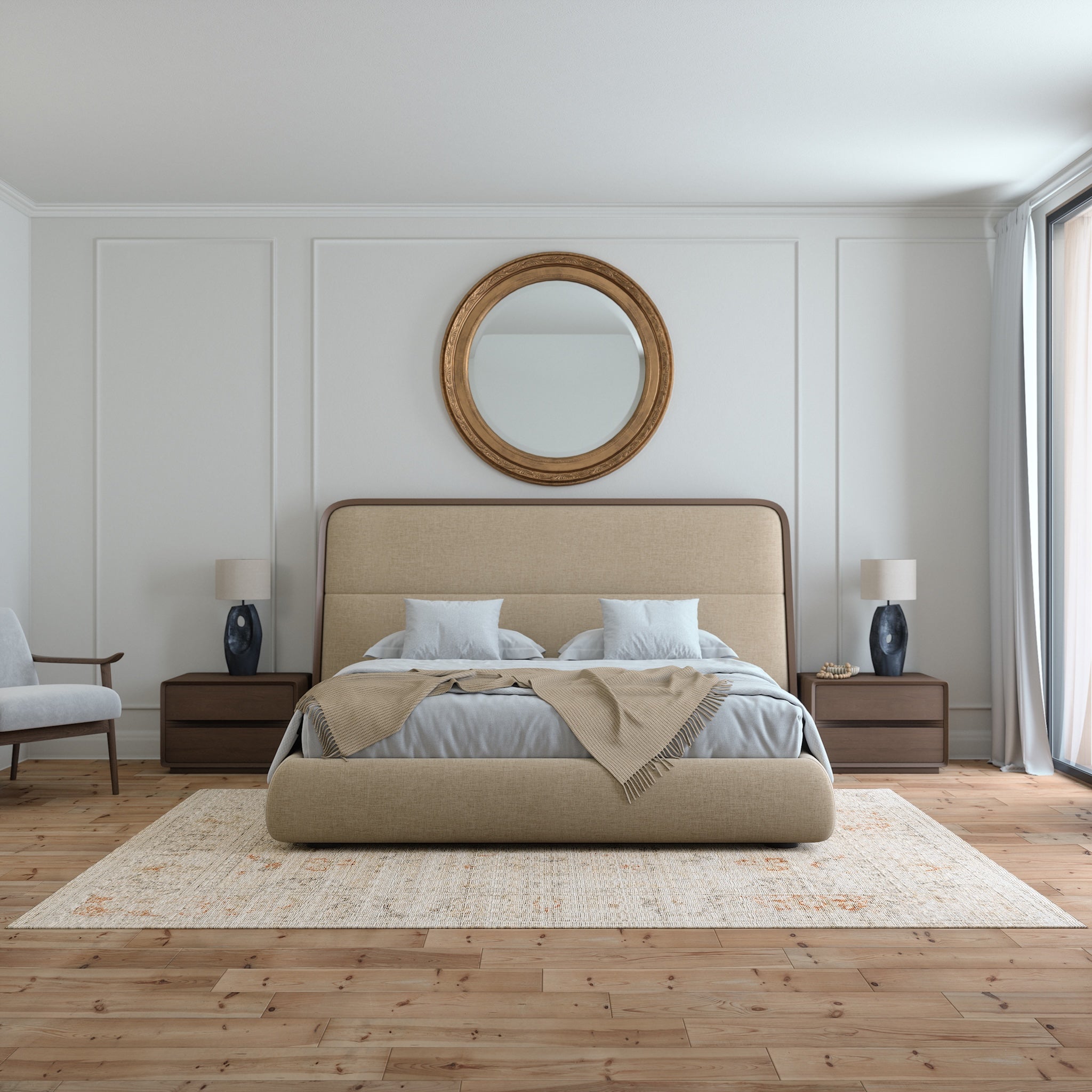
Rug Under the Bed
The most common approach is placing a large rug under the bed, extending at least two-thirds of the way toward the foot. This allows soft footing when getting out of bed.
Side Runners
If space is limited, runners on either side of the bed provide comfort without requiring a large rug.
Foot-of-the-Bed Rugs
A smaller rug placed at the foot of the bed adds texture and visual interest, especially in minimalist bedrooms.
Rug Placement in the Dining Room
Dining room rugs must balance aesthetics with practicality.
Size for Chairs
Ensure the rug extends at least 24 inches beyond the table on all sides. This allows chairs to remain on the rug even when pulled out.
Shape Matters
Match the rug shape to the table shape. Rectangular tables pair best with rectangular rugs, while round tables look more balanced with round rugs.
Easy Maintenance
Choose low-pile rugs that are easier to clean and less likely to trap food particles.
Rug Placement in the Kitchen
Kitchen rugs are often overlooked but can add comfort and style.
Runners for Work Areas
Place runners along sinks, stoves, or islands where you stand most often. Ensure they do not block walkways or doors.
Secure Placement
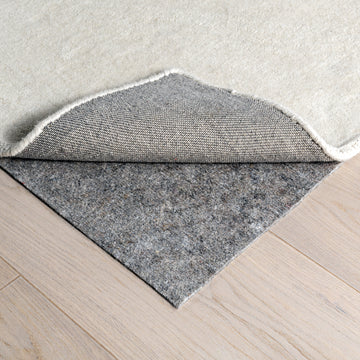
Use non-slip rug pads to prevent movement, especially in high-traffic kitchen areas.
Practical Materials
Select rugs that are easy to clean and resistant to spills.
Rug Placement in Hallways and Entryways
These areas experience heavy foot traffic, making durability and placement key.
Proper Length
Runners should fill most of the hallway length without touching the walls. Leave a few inches of space on each side.
Center Alignment
Ensure the rug is centered to maintain symmetry and visual flow.
Entryway Coverage
In entryways, choose a rug large enough to accommodate the door swing and allow space for shoes.
Common Rug Placement Mistakes to Avoid
Even with good intentions, some errors can undermine your design.
Rugs That Are Too Small
Small rugs can make rooms feel disjointed. When in doubt, size up.
Ignoring Rug Pads
Rug pads prevent slipping, protect flooring, and extend the life of your rug.
Poor Alignment
Crooked or off-center rugs disrupt visual harmony and should be adjusted carefully.
Bringing It All Together
A thoughtfully placed rug can transform any room, enhancing both comfort and appearance. By following room-specific guidelines and general placement principles, you can create interiors that feel intentional and well-balanced. Whether you are redesigning a single space or updating your entire home, The Ultimate Rug Placement Guide: Best Placement Tips for Every Room provides a practical framework for making confident design decisions.
Correct rug placement is not about rigid rules but about understanding proportion, function, and flow. With these tips, you can ensure every rug in your home contributes positively to the overall design.