

Top Trending Rug Styles for 2026: Design Ideas for Any Space
Rugs play an important role in interior design by defining areas, adding texture and creating visual balance. A carefully selected rug can connect furniture, wall colours and decorative accessories while also improving comfort underfoot.
In 2026, rug designs are moving towards natural materials, expressive patterns, warm colours and practical construction. Homeowners are choosing rugs that provide character without making a room feel crowded. Neutral textures remain relevant, but patterned and artistic rugs are also becoming more prominent.
This guide to the Top Trending Rug Styles for 2026: Design Ideas for Any Space explains the key styles shaping modern interiors and how they can be used in living rooms, bedrooms, dining areas and smaller spaces.
Natural Fibre Rugs
Natural fibre rugs continue to be a practical choice for relaxed and contemporary interiors. Materials such as jute, wool, cotton and sisal introduce texture while maintaining a simple appearance.
Jute rugs work particularly well in living rooms, entryways and informal dining spaces. Their woven surfaces add warmth without introducing a strong pattern. Wool rugs are suitable for bedrooms and seating areas because they provide a softer feel and can offer greater durability.
Natural textures and materials such as cotton, jute and wool remain visible across current rug collections, particularly in neutral tones such as beige, oat and soft brown.
How to Style Natural Rugs
Pair a natural rug with wooden furniture, linen upholstery and muted wall colours. In a neutral room, use cushions or artwork to add controlled colour. A rug with visible weaving can also prevent an all-neutral interior from appearing flat.

Vintage-Inspired Rugs
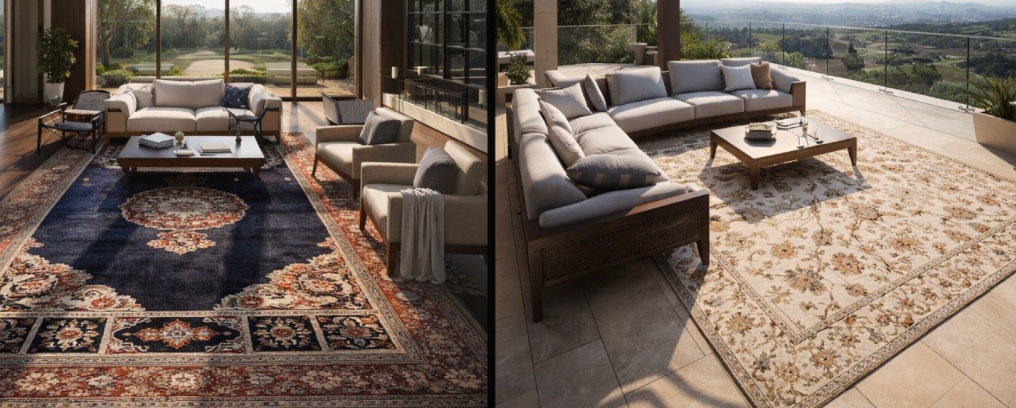
Vintage-style rugs bring depth and familiarity to modern spaces. These rugs often feature faded patterns, traditional borders and slightly distressed finishes. They can soften contemporary furniture and make a newly decorated room feel more established.
Popular colour combinations include muted red, dusty blue, olive, beige and soft brown. Vintage-inspired rugs are especially suitable for living rooms, libraries, bedrooms and home offices.
Combining Vintage and Modern Elements
Use a vintage-patterned rug beneath a simple sofa, modern coffee table or clean-lined bed frame. The contrast between traditional detailing and modern furniture can create a balanced interior without requiring many decorative items.
Geometric and Abstract Patterns
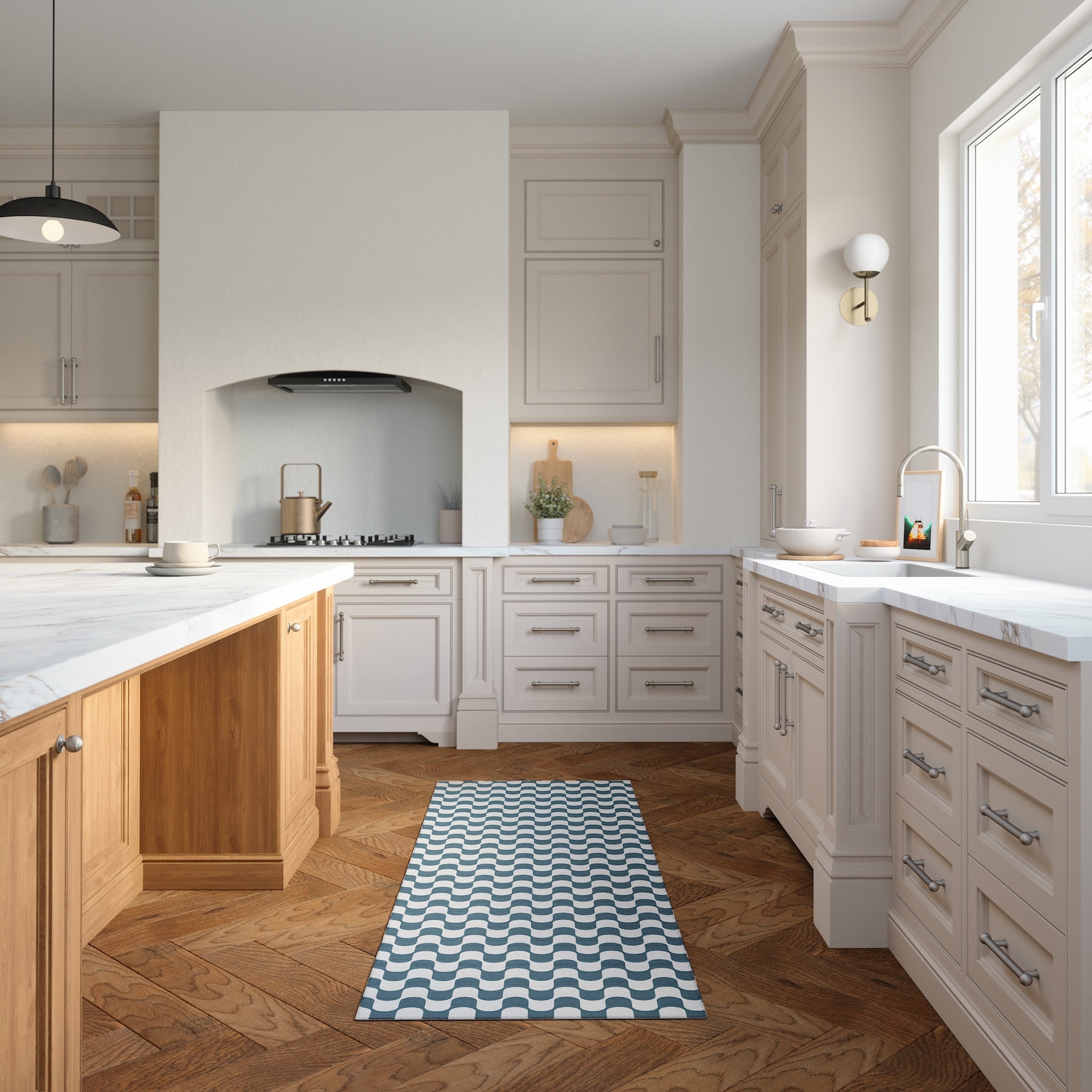
Geometric rugs remain suitable for modern, Scandinavian and mid-century-inspired interiors. Common designs include lines, blocks, arches, checks and irregular shapes.
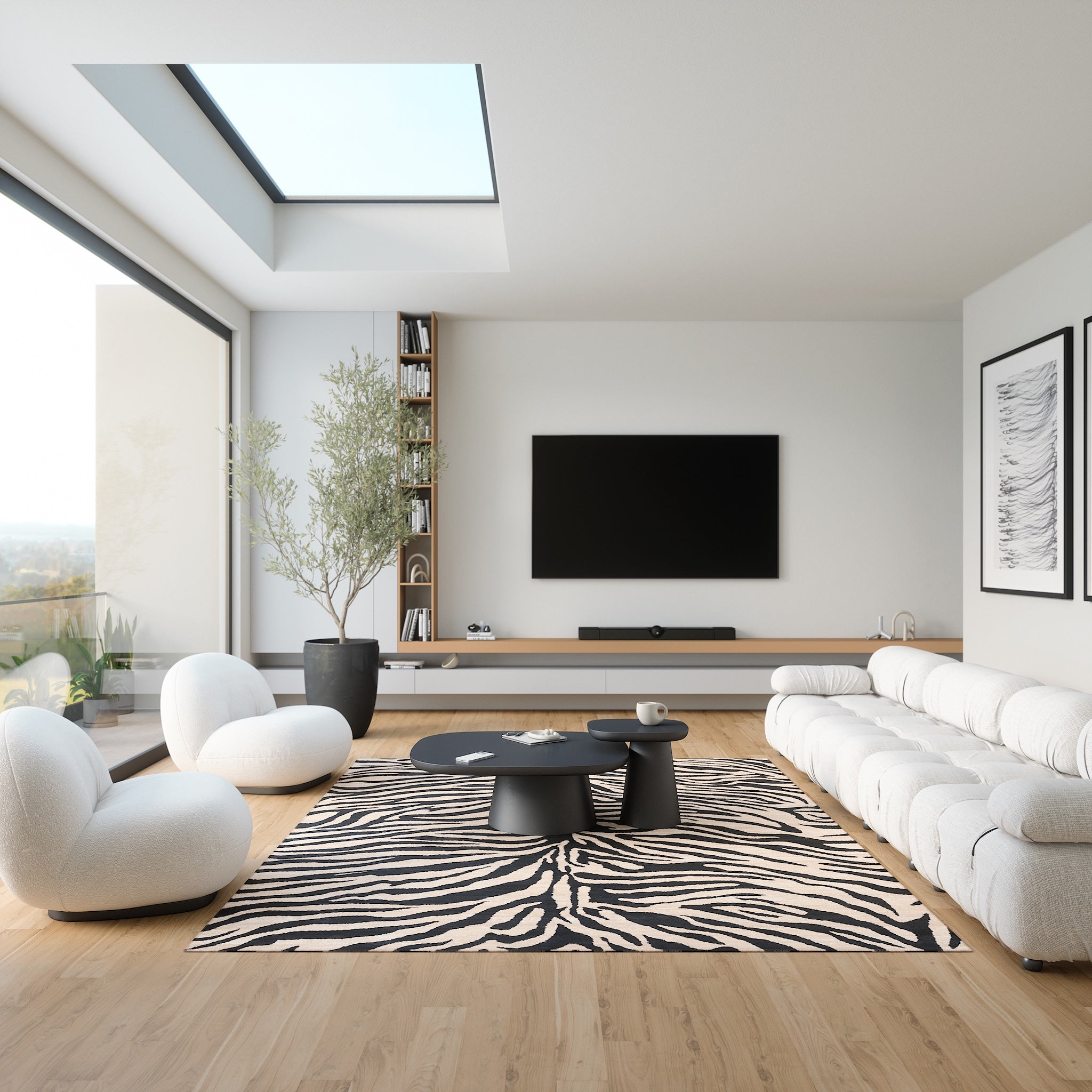
Abstract patterns offer more visual movement than traditional repeating designs. They can act as a focal point in rooms with plain furniture and minimal decoration. Scandinavian rugs, in particular, are often recognised for their restrained geometric compositions and considered use of colour.
Choosing the Right Pattern Scale
Large patterns generally work better in spacious living rooms and bedrooms, while smaller patterns are useful in compact areas. Consider the amount of furniture placed over the rug because detailed patterns may become difficult to see when heavily covered.
Warm Earth-Toned Rugs
Warm earth tones are becoming a common choice for interiors that prioritise comfort. Colours such as terracotta, rust, clay, sand, caramel and olive can make a room feel more inviting.
These shades work with both light and dark furniture. A rust-coloured rug can add contrast to a cream sofa, while an olive or brown rug can support darker wood finishes.
Earth-toned rugs are also easier to coordinate with seasonal accessories because they work with neutral, warm and natural colour palettes.
Textured and High-Low Rugs
Texture is becoming as important as colour and pattern. High-low rugs combine raised and flat sections to create dimension across the surface. Some designs use carved lines, tufted shapes or mixed weaving methods.
Handcrafted collections featuring natural materials and three-dimensional textures are receiving attention for their ability to add interest without relying on bright colours.
Textured rugs are well suited to bedrooms, reading corners and formal living areas. However, heavily textured surfaces may require more careful vacuuming and maintenance.
Bold Artistic Rugs
Artistic rugs are designed to function like floor-based artwork. They may feature unusual shapes, illustrated motifs, contrasting colours or asymmetrical layouts.
This style works well for homeowners who prefer individual and expressive interiors. Current rug designs are also reflecting greater interest in personal decoration, particularly among younger consumers who use rugs to introduce colour and identity into bedrooms and smaller living spaces.
Keeping the Room Balanced
When using a bold rug, keep larger furniture pieces relatively simple. Select one or two colours from the rug and repeat them through cushions, curtains or artwork. This creates visual continuity without making the space feel overly coordinated.
Layered Rugs
Layering rugs allows different textures, patterns and shapes to be combined. A common approach is to place a smaller patterned rug over a larger neutral jute or flat-weave rug.
This technique can help define a seating area or add visual interest to an oversized room. It is also useful when an existing rug is too small but still suits the colour scheme.
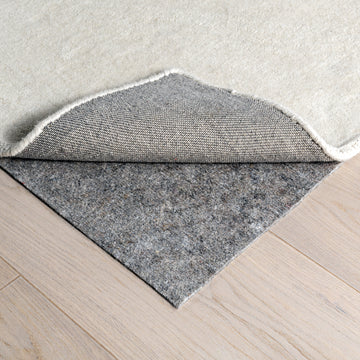
Ensure that the upper rug lies flat and use suitable rug pads to reduce movement.
Choosing the Correct Rug Size
Rug size affects how well a room feels connected. A rug that is too small can make furniture appear separated. In a living room, the rug should ideally extend beneath at least the front legs of the main seating pieces. Designers frequently recommend choosing a larger rug rather than one that leaves all furniture positioned outside its edges.
For dining rooms, the rug should extend far enough for chairs to remain on the surface when pulled away from the table. In bedrooms, place the rug beneath the bed or use runners on both sides.
Final Thoughts
The leading rug trends for 2026 focus on texture, natural materials, expressive patterns and practical styling. Natural fibre rugs support calm interiors, while vintage and geometric designs add structure and character. Earth tones create warmth, and artistic rugs allow greater personal expression.
The right choice should depend on room size, furniture placement, maintenance requirements and existing colours rather than trends alone. By selecting an appropriate material, pattern and scale, a rug can improve both the appearance and function of almost any space.
Meta Title: Top Trending Rug Styles for 2026 and Design Ideas