


5 Tips to Choose the Perfect Rug Color for Your Home
Choosing the right rug color plays a significant role in defining the look and feel of a space. A rug is not just a decorative layer; it connects furniture, balances colors, and influences how large or warm a room appears. Selecting the wrong shade can disrupt visual harmony, while the right one can enhance comfort and coherence.Tips to Choose the Perfect Rug Color for Your Home, helping homeowners make informed decisions based on space, lighting, furniture, and long-term usability.
Understand the Room’s Color Palette First
Before choosing a rug, it is important to study the existing color scheme of the room. Walls, flooring, furniture, and décor elements together form a visual base that the rug should support rather than compete with.
Match or Complement Existing Colors
A rug can either blend into the room or act as a subtle contrast. If the room already has strong colors or patterns, neutral rug tones such as beige, grey, or muted earth shades help maintain balance. In simpler rooms, a slightly richer rug color can add depth without overwhelming the space.
Avoid Introducing Too Many New Shades
Adding a rug in a color not present elsewhere in the room can make the space feel disconnected. Ideally, the rug color should echo at least one existing element, such as cushions, curtains, or artwork.
Consider Natural and Artificial Lighting
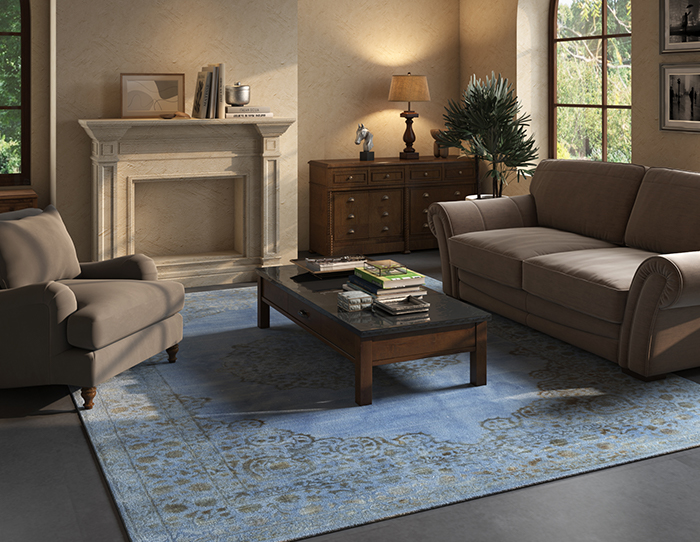
Lighting significantly affects how rug colors appear. A shade that looks warm in a store may appear darker or duller once placed at home.
Bright Rooms Can Handle Deeper Colors
Rooms with ample natural light can support darker rug shades like navy, deep green, or charcoal without feeling heavy. These tones can ground the space and add visual structure.
Low-Light Rooms Benefit from Lighter Rugs
For rooms with limited sunlight, lighter rug colors such as cream, soft grey, or pale brown help reflect light and create an open feel. Dark rugs in such spaces can make the room appear smaller and enclosed.
Match the Rug Color to the Room Size
Room size should directly influence rug color selection, as colors affect spatial perception.
Light Colors for Smaller Rooms
Light-colored rugs create an illusion of openness, making compact rooms feel larger. They reduce visual weight and keep the space from feeling crowded.
Dark or Bold Rugs for Larger Areas
In spacious rooms, darker or richer rug colors help anchor furniture and prevent the room from feeling empty or unfinished. They define zones effectively, especially in open-plan layouts.
Align Rug Color with Furniture and Flooring
A rug sits between the floor and the furniture, making color coordination essential.
Create Contrast with Flooring
If the floor is dark wood or stone, a lighter rug offers contrast and clarity. For light floors, medium or darker rugs add dimension without blending into the surface.
Balance Furniture Tones
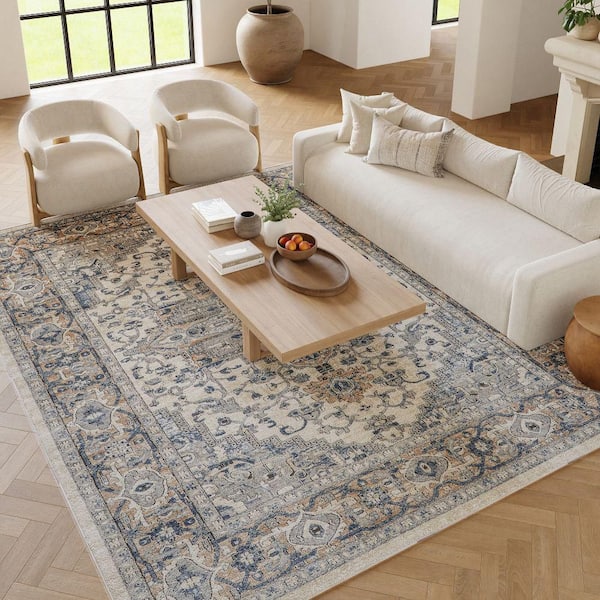
The rug should neither overpower nor disappear beneath furniture. For dark furniture, mid-tone or lighter rugs create balance. For light furniture, rugs with moderate depth or subtle patterns help prevent a washed-out look.
Think About Usage, Maintenance, and Longevity
A rug’s color should also suit the room’s function and long-term maintenance needs.
High-Traffic Areas Need Practical Shades
Living rooms, hallways, and entryways benefit from medium to darker tones that conceal dust and stains. Multi-tonal or patterned rugs are particularly effective for frequent use areas.
Low-Traffic Spaces Allow Lighter Colors
Bedrooms and formal sitting areas can accommodate lighter rug shades, as they experience less foot traffic and wear.
Choose Timeless Over Trend-Driven Colors
While trends change quickly, neutral and classic rug colors remain versatile. Selecting a timeless shade ensures the rug stays relevant even if furniture or wall colors change later.
Final Thoughts
Selecting the right rug color is a thoughtful process that combines aesthetics, practicality, and spatial awareness. By assessing lighting, room size, furniture, and daily use, homeowners can avoid common mistakes and create balanced interiors.
Applying these 5 Tips to Choose the Perfect Rug Color for Your Home ensures that the rug complements the space rather than competing with it. A well-chosen rug color enhances comfort, improves visual flow, and supports long-term design flexibility, making it a foundational element in any interior setting.


