


How to Choose the Right Carpet Guide
Choosing the right carpet is an important decision that affects comfort, appearance, and long-term maintenance of your space. Carpets are not only decorative elements but also functional flooring solutions that influence insulation, noise control, and overall usability of a room. With a wide range of materials, pile types, and constructions available, making an informed choice is essential. This How to Choose the Right Carpet Guide explains the key factors you should consider before purchasing a carpet for your home or workspace.
Why Choosing the Right Carpet Matters
A carpet is a long-term investment. Once installed, it impacts daily comfort and requires ongoing care. Selecting the wrong type can result in faster wear, difficulty in cleaning, or discomfort underfoot. The right carpet, on the other hand, improves indoor comfort, complements interior design, and suits the specific demands of each room.
Different rooms have different requirements. A bedroom carpet prioritizes softness and warmth, while a living room carpet must handle higher foot traffic. Understanding these needs helps narrow down suitable options.
Understanding Carpet Materials
Natural Fiber Carpets
Natural fibers such as wool are valued for their durability and comfort. Wool carpets are soft, resilient, and naturally resistant to dirt due to the fiber structure. They also provide good insulation and temperature regulation. However, they tend to be more expensive and may require careful maintenance.
Natural fiber carpets are often chosen for bedrooms and low-traffic living spaces where comfort is a priority.
Synthetic Fiber Carpets
Synthetic materials like nylon, polyester, and polypropylene are widely used due to affordability and ease of maintenance.
-
Nylon is known for strength and durability, making it suitable for high-traffic areas.
-
Polyester offers good stain resistance and color retention.
-
Polypropylene is moisture-resistant and commonly used in basements or utility areas.
Synthetic carpets are practical choices for households with children or pets.
Choosing the Right Carpet Pile
Cut Pile Carpets
Cut pile carpets have yarn tips that are cut, creating a soft and smooth surface. They are comfortable underfoot and visually appealing.
Common types include plush, saxony, and frieze carpets. While they offer comfort, some cut pile styles may show footprints and vacuum marks more easily.
Loop Pile Carpets
Loop pile carpets are made from uncut yarn loops. This structure increases durability and makes them suitable for high-traffic areas such as hallways and offices.
However, loop pile carpets may not be ideal for homes with pets, as claws can catch in the loops.
Cut and Loop Carpets
Cut and loop carpets combine both styles to create textured patterns. They offer a balance between durability and appearance and are often used to add subtle visual interest to living spaces.
Matching Carpet to Room Usage
Carpets for Living Rooms
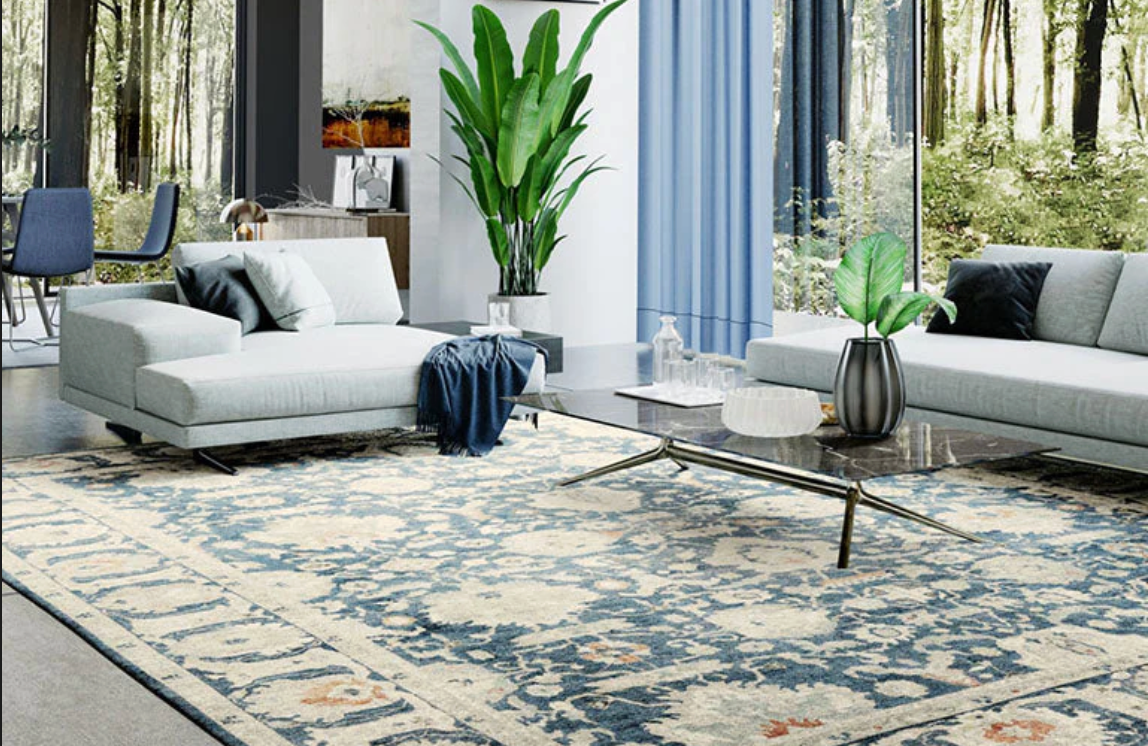
Living rooms experience regular foot traffic and frequent use. A durable carpet with a medium pile height is usually the best option. Stain resistance and ease of cleaning should also be considered, especially in family homes.
Neutral colors are often preferred as they adapt well to changing furniture and décor.
Carpets for Bedrooms
Bedrooms benefit from softer carpets that provide warmth and comfort. Plush or saxony carpets are common choices here. Since foot traffic is lower, comfort can take priority over durability.
Lighter or warmer tones can enhance the relaxed atmosphere of a bedroom.
Carpets for Stairs and Hallways
These areas experience constant use and require carpets with high durability. Low pile or tightly looped carpets perform well and maintain their appearance longer. Secure installation is also critical to ensure safety.
Evaluating Carpet Density and Weight
Carpet density refers to how closely the fibers are packed together. Higher density generally indicates better durability and resistance to crushing. Carpet weight, often measured in ounces per square yard, can also indicate quality, though it should be evaluated alongside density rather than alone.
A dense carpet with well-twisted fibers tends to perform better over time, especially in high-use areas.
Maintenance and Cleaning Considerations
Before finalizing a carpet, consider how much maintenance it will require. Some carpets are designed to resist stains and dirt, making them easier to clean with regular vacuuming.
Homes with pets or children may benefit from carpets with built-in stain protection. Additionally, darker or textured carpets can help conceal minor stains and wear.
Budget and Long-Term Value
While budget is an important factor, it should be balanced with durability and expected lifespan. A lower-priced carpet may cost more in the long run if it needs to be replaced sooner. Investing in a higher-quality carpet for high-traffic areas often provides better long-term value.
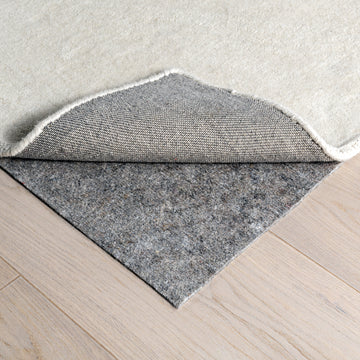
Installation costs, underlay quality, and warranty terms should also be factored into the final decision.
Final Thoughts
Selecting the right carpet requires careful evaluation of material, pile type, room usage, and maintenance needs. This How to Choose the Right Carpet Guide highlights the practical considerations that help you make a well-informed decision. By matching carpet features with your lifestyle and space requirements, you can achieve comfort, durability, and visual consistency throughout your home.