

A Guide to Layering Rugs in Your Living Room
Layering rugs is a practical way to improve both the appearance and comfort of your living space. It helps define zones, adds texture, and allows flexibility in styling without replacing existing flooring. This approach works well for modern and traditional interiors alike.
A Guide to Layering Rugs in Your Living Room explains how to combine rugs effectively, choose the right materials, and maintain visual balance across your space.
What Is Rug Layering and Why It Matters
Rug layering involves placing one rug over another to create depth and contrast. Instead of relying on a single large rug, multiple layers provide more control over design elements such as color, texture, and proportions.
Key Benefits of Layering Rugs
- Improves visual structure: Helps define seating or conversation areas
- Adds texture: Combines different materials for a richer look
- Cost-effective styling: Enhances existing rugs without replacement
- Flexibility: Easy to change top layers based on seasons or trends
Layering also helps when a single rug does not fit the room dimensions correctly. A base rug can cover the area, while a smaller accent rug adds focus.
:max_bytes(150000):strip_icc()/things-to-think-about-when-layering-rugs-4092352-hero-29854f52ce2140608d27e9530a99eeb1.jpg)
Choosing the Right Base Rug
The base rug acts as the foundation for your layered setup. It should be large enough to anchor your furniture and create a stable layout.
Base Rug Selection Tips
- Use neutral colors like beige, grey, or off-white
- Prefer flat-weave or low-pile rugs for stability
- Ensure it extends under key furniture pieces such as sofas or tables
- Avoid heavy patterns that may clash with the top rug
Materials like jute, wool blends, or cotton work well for base rugs due to their durability and subtle texture.
Selecting the Top Rug for Contrast
The top rug is where you can introduce design variation. It should stand out while still complementing the base layer.
What to Look for in a Top Rug
- Bold patterns or textures for visual interest
- Smaller size to create layering effect
- Soft materials like wool or shag for comfort
- Color coordination with furniture or decor
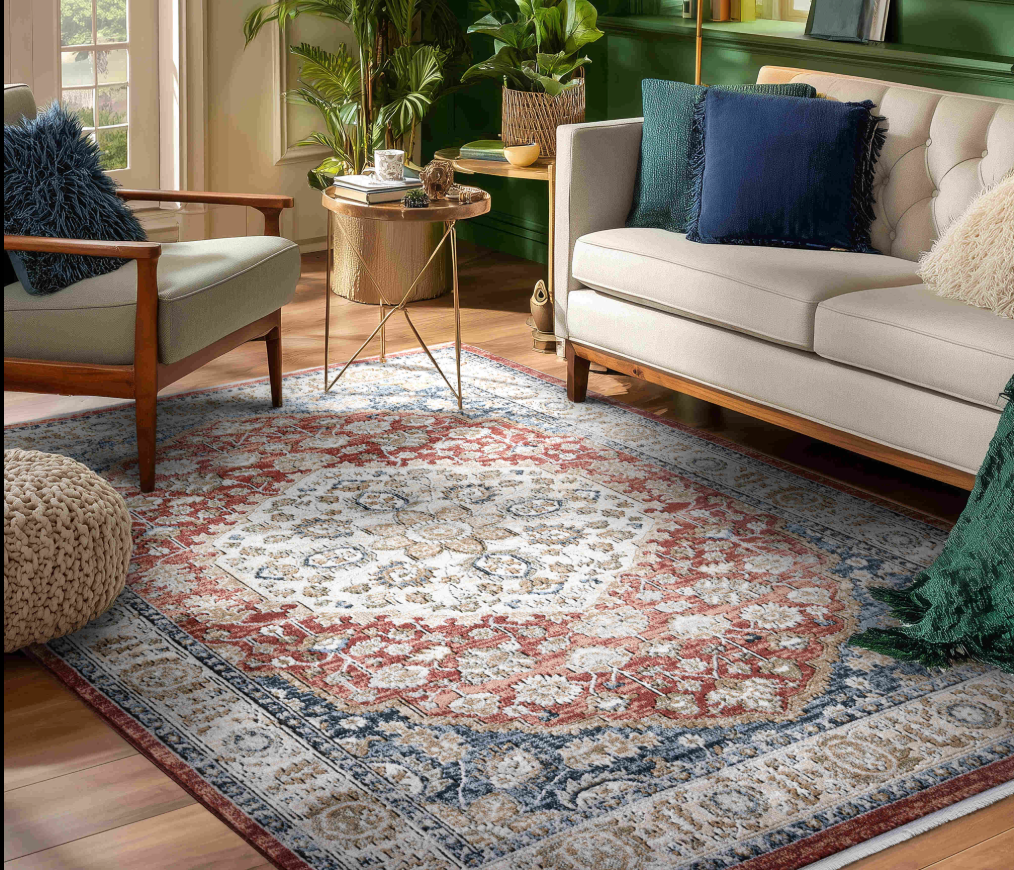
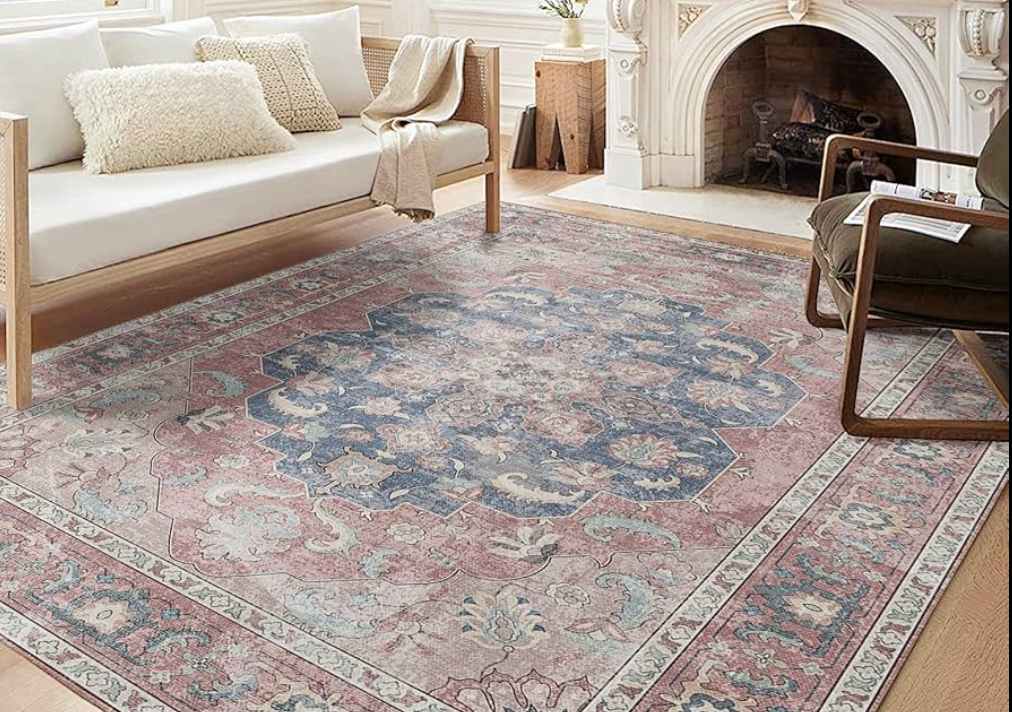
For example, placing a patterned rug over a neutral jute base creates a clear focal point without overwhelming the space.
Popular Rug Layering Combinations
Different combinations can suit different interior styles. Choosing the right pairing helps maintain consistency in design.
Common Pairings
- Jute + Patterned Wool Rug: Balanced and widely used
- Neutral Rug + Vintage Rug: Adds character and depth
- Flat-Weave + Shag Rug: Combines structure with comfort
- Large Rug + Small Accent Rug: Ideal for compact living rooms
These combinations work well across both modern and traditional interiors, depending on color and pattern selection.
Placement Techniques for Living Rooms
Proper placement is essential to make rug layering effective. Poor alignment can make the room look cluttered or unbalanced.
Placement Guidelines
- Center the top rug under the coffee table
- Keep the base rug aligned with furniture edges
- Maintain equal spacing on visible sides
- Avoid placing rugs at sharp angles unless intentional
For sectional sofas, ensure the base rug extends under the main seating area, while the top rug highlights the center.
Size and Proportion Considerations
Choosing the right sizes for both rugs ensures the layered look appears intentional rather than random.
Ideal Size Ratio
- Base rug should be at least 2–3 feet larger than the top rug
- Top rug should cover key focal areas like the coffee table
- Avoid using rugs of similar sizes, as it reduces contrast
Maintaining proportion is critical in this A Guide to Layering Rugs in Your Living Room, as it directly impacts visual balance.
Color and Pattern Coordination
Color selection plays a major role in achieving a cohesive look.
Coordination Tips
- Pair neutral base rugs with bold top designs
- Use complementary colors rather than identical tones
- Limit patterns to one rug if unsure about combinations
- Match rug tones with cushions, curtains, or furniture
A consistent color scheme helps maintain harmony even when textures vary.

Materials and Durability Factors
Material choice affects both comfort and longevity. Since layered rugs experience more movement, durability becomes important.
Recommended Materials
- Jute or sisal: Durable and suitable for base layers
- Wool: Soft and long-lasting for top rugs
- Cotton: Lightweight and easy to maintain
- Synthetic blends: Suitable for high-traffic areas
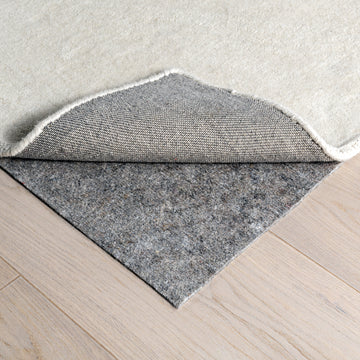
Using a rug pad between layers can prevent slipping and improve stability.
Conclusion
This guide to layering rugs in your living room highlights how a structured approach can improve both design and functionality. By selecting the right base rug, adding a contrasting top layer, and maintaining proper placement, you can create a balanced and visually appealing living space.
Layering rugs is not limited to aesthetics; it also enhances comfort and allows flexibility in updating your interiors without major changes. With the right combinations and proportions, this technique can be applied to any living room setup effectively.