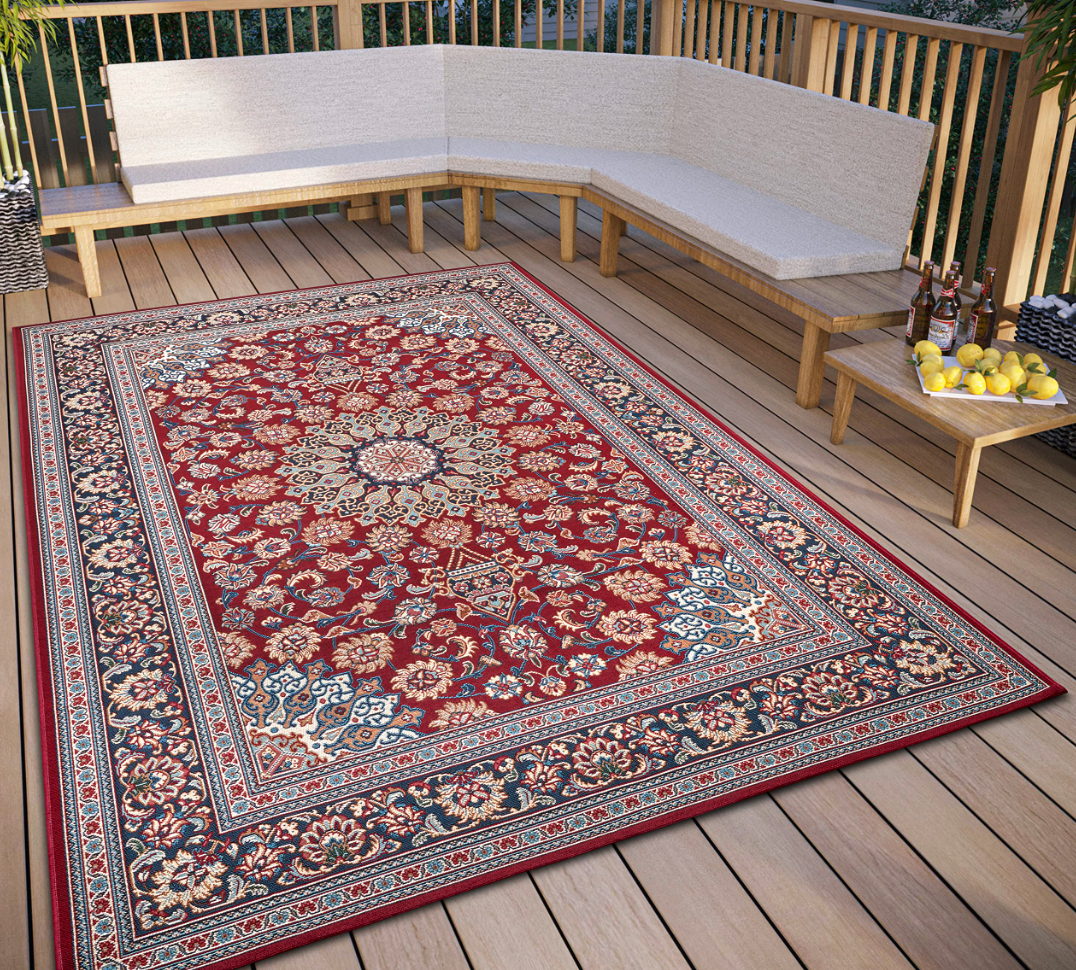


Rug Placement Mistakes That Break Small Spaces
Small spaces need careful planning. Every furniture piece, color choice, and floor covering can affect how open or crowded a room feels. A rug may seem like a simple decor item, but its size, position, and shape can change the entire look of a small room. When placed correctly, a rug can define the seating area, add comfort, and make the space feel more organized. When placed incorrectly, it can make the room look smaller, disconnected, or visually heavy.
Many homeowners choose rugs based only on color or design. While these details matter, placement is just as important. The wrong rug position can interrupt movement, divide the room awkwardly, or make furniture look out of proportion. Understanding the common rug placement mistakes that break small spaces can help you create a room that feels balanced, practical, and visually open.
Why Rug Placement Matters in Small Spaces
In a small room, the floor area is limited. A rug covers a large part of that visible floor, so it has a strong impact on how the room feels. A rug can either connect furniture pieces or make them appear scattered. It can also guide the eye across the room and create a sense of flow.
Correct rug placement helps define functional zones, especially in studio apartments, compact living rooms, bedrooms, and dining areas. For example, a well-placed rug under a seating arrangement can make the area feel complete. In contrast, a rug that is too small or poorly positioned can make the furniture look like it is floating without structure.
Choosing a Rug That Is Too Small
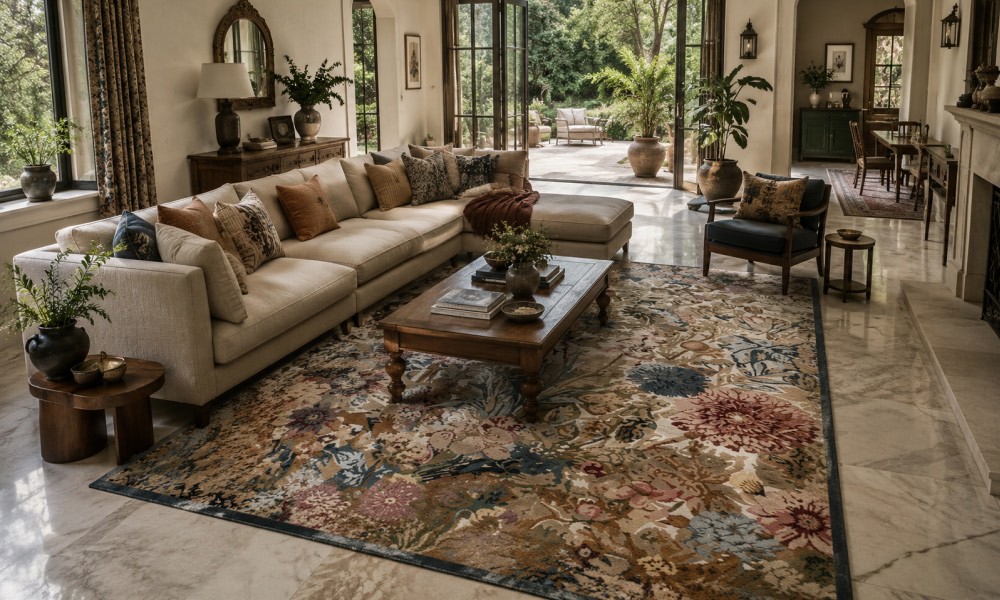
One of the most common mistakes is choosing a rug that is too small for the room. Many people select a smaller rug because they believe it will make the room look larger. In reality, a small rug often makes the space feel more cramped because it breaks the floor into separate sections.
How to Fix It
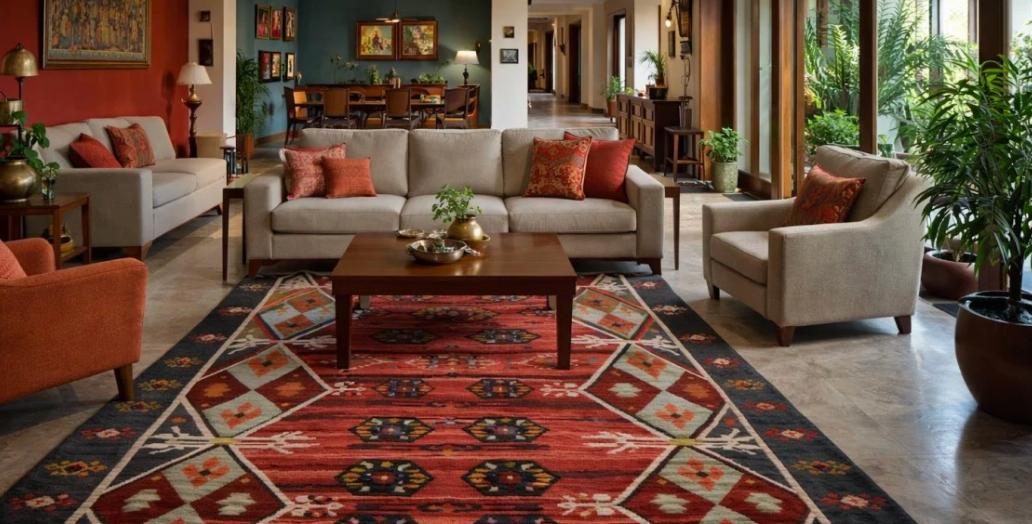
Choose a rug that is large enough to sit under the front legs of major furniture pieces. In a living room, the front legs of the sofa and chairs should ideally rest on the rug. This creates a connected seating area and makes the layout feel intentional. In a bedroom, the rug should extend beyond the sides and foot of the bed so it adds comfort without looking hidden.
Placing the Rug in the Middle Without Connecting Furniture
Another mistake is placing the rug in the centre of the room without connecting it to the furniture. This often happens when the rug is used like a decorative island. In small spaces, this can make the furniture look disconnected and reduce the sense of order.
How to Fix It
Use the rug to anchor the furniture. A rug should support the layout rather than sit separately from it. In a compact living room, place the rug so that at least the front legs of the sofa and chairs are on it. This creates a clear seating zone and makes the room feel more spacious.
Pushing the Rug Too Close to the Walls
A rug that touches or nearly touches the walls can make a small room feel boxed in. It removes the visible border of flooring around the room, which can make the space feel tighter. This is especially noticeable in narrow rooms or rooms with dark flooring.
How to Fix It
Leave some floor visible around the rug. A border of exposed flooring helps the room breathe visually. Even a small gap between the rug and the wall can make the layout feel cleaner. The rug should define the area, not cover the entire floor unless it is being used as wall-to-wall carpeting.
Using the Wrong Rug Shape
Rug shape plays an important role in small rooms. A rectangular rug may work well in most spaces, but it is not always the best choice. In some rooms, the wrong shape can make the layout feel awkward or block natural movement.
How to Fix It
Match the rug shape to the furniture arrangement and room layout. A round rug can soften a square room or work well under a small round dining table. A runner can help narrow spaces such as hallways, entryways, or beside a bed. A rectangular rug works well in seating areas where the furniture follows a straight layout.
Ignoring Walkways and Door Clearance
Rugs should not interrupt movement. In small spaces, every walkway matters. A rug placed too close to a doorway, cabinet, or passage can become inconvenient. It may bunch up, block a door, or create a tripping risk.
How to Fix It
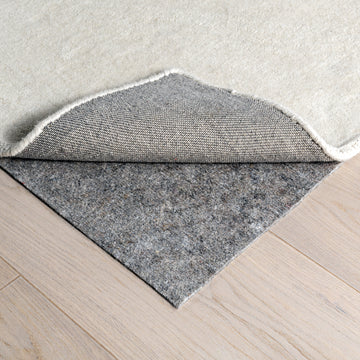
Before placing a rug, check how people move through the room. Make sure doors open easily and furniture drawers can be pulled out without catching on the rug. In high-traffic areas, use a rug pad to keep the rug flat and stable.
Choosing Heavy Patterns for Already Busy Rooms
Patterned rugs can add style, but too many strong patterns can overwhelm a small room. If the walls, cushions, curtains, or furniture already have bold designs, a busy rug may make the room feel crowded.
How to Fix It
Choose a rug pattern that supports the room instead of competing with it. In a small room with many visual details, a solid or subtle pattern can work better. If the room is simple, a patterned rug can add interest without making the space feel cluttered.
Not Considering Furniture Scale
A rug should match the scale of the furniture. A very large sofa with a tiny rug can look unbalanced. Similarly, a large rug under very small furniture can make the arrangement feel uneven.
How to Fix It
Look at the rug and furniture as one layout. The rug should help the furniture feel grounded. For a small living room, choose a rug that is wide enough to extend beyond the sofa width. For a dining space, the rug should allow chairs to stay on the rug even when pulled out.
Using Rugs Without a Clear Purpose
Every rug in a small space should have a purpose. It may define a seating area, add warmth beside a bed, protect flooring, or create comfort underfoot. A rug placed without a clear reason can make the room feel cluttered.
How to Fix It
Before buying or placing a rug, decide what it needs to do. If the goal is to define a living area, choose a rug large enough to connect the seating. If the goal is comfort, place it where your feet naturally land. If the goal is style, make sure the rug still supports the room layout.
Conclusion
Rugs can improve small spaces when they are chosen and placed carefully. The right rug can make a room feel warmer, more organised, and visually balanced. However, common rug placement mistakes that break small spaces can make the same room feel crowded or poorly arranged.
To avoid these issues, choose the right rug size, connect it with furniture, leave visible floor space, consider walkways, and match the rug shape to the room layout. With the right placement, even a compact room can feel comfortable, practical, and well-designed.