


What Is a Rug? Expert Insights on Floor Coverings
Floor coverings have been part of interior spaces for centuries, serving both decorative and practical purposes. Among the most widely used floor coverings is the rug. While many people use rugs in their homes, offices, and commercial spaces, not everyone clearly understands what defines a rug and how it differs from other flooring options.
What Is a Rug?
A rug is a movable textile floor covering designed to partially cover a floor surface. Unlike wall-to-wall carpets that are permanently fixed, rugs can be placed, moved, or replaced easily.
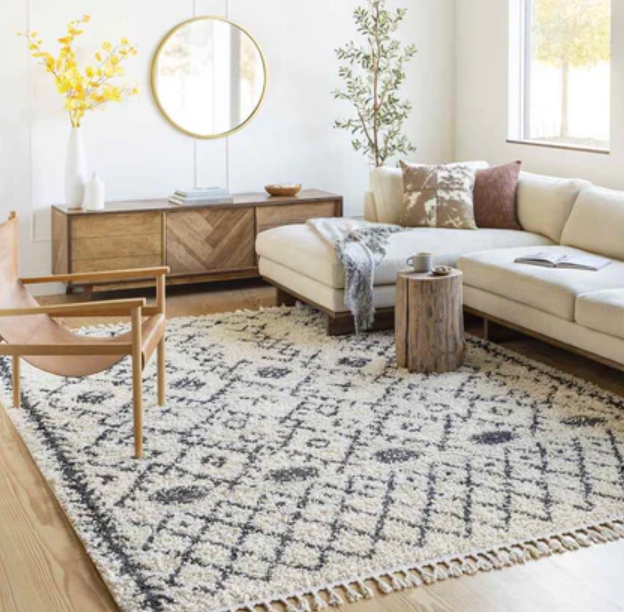
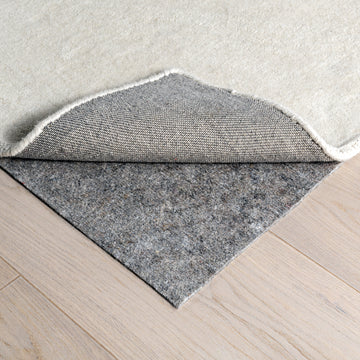
Rugs are typically made from woven, tufted, or knotted fibers and come in various sizes, shapes, and materials. They can be placed over hardwood floors, tiles, laminate flooring, or even on top of carpets to add style and comfort.
Understanding What Is a Rug? Discover Expert Insights on Floor Coverings helps homeowners and designers make informed decisions when selecting floor décor that balances aesthetics and functionality.

Rugs vs Carpets: Understanding the Difference
Although rugs and carpets serve similar purposes, they differ in several key aspects.
Installation
Carpets are usually installed wall-to-wall and fixed to the floor using adhesives or tack strips. Rugs, on the other hand, are portable and can be repositioned easily.
Coverage Area
Carpets cover the entire floor surface of a room. Rugs cover only a portion of the floor and are often used to define spaces within a room.
Flexibility
Rugs offer greater flexibility in interior design. They can be rotated, layered, or replaced without altering the flooring structure.
Common Materials Used in Rugs
Rugs are manufactured using a variety of natural and synthetic materials. Each material affects durability, texture, and maintenance requirements.
Wool Rugs
Wool is one of the most popular materials used in rugs. It is durable, naturally stain resistant, and provides good insulation. Wool rugs are often found in living rooms and bedrooms.
Cotton Rugs
Cotton rugs are lightweight and easy to clean. They are commonly used in casual spaces such as kitchens or entryways.
Synthetic Fiber Rugs
Materials such as polypropylene, nylon, and polyester are frequently used in modern rugs. These rugs are affordable, resistant to moisture, and suitable for high-traffic areas.
Natural Fiber Rugs
Jute, sisal, and bamboo rugs are popular for their natural appearance and textured surface. They are often used in eco-inspired or minimalist interiors.
Popular Types of Rugs
Rugs are available in several styles and construction methods. Each type offers unique design and functional characteristics.
Area Rugs
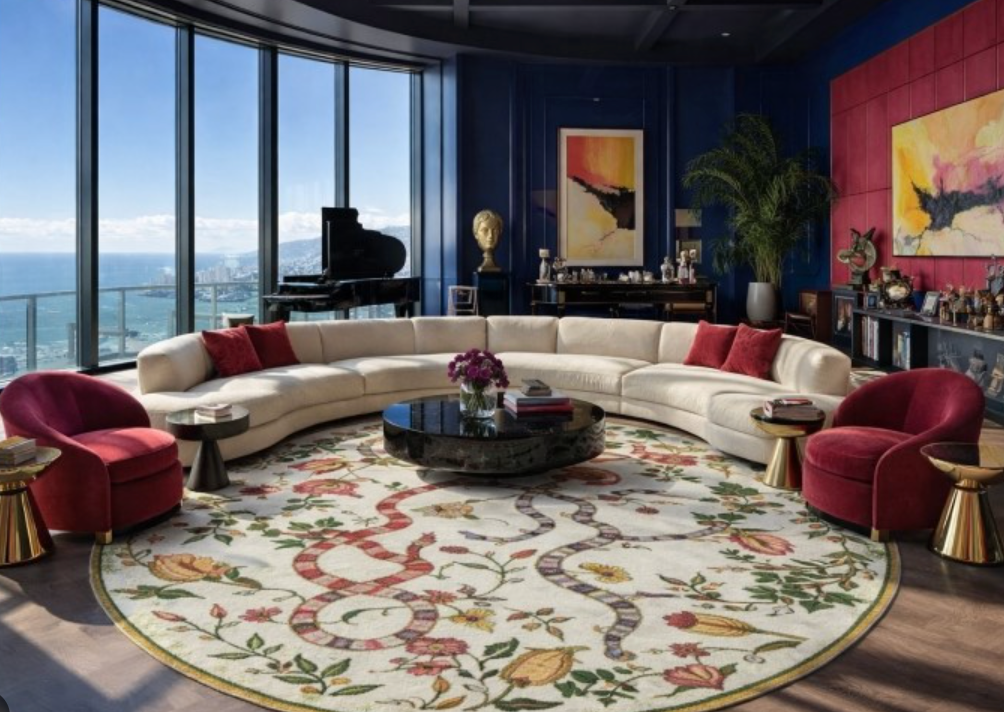
Area rugs are designed to cover a specific section of a room. They are commonly used under coffee tables, dining tables, or seating arrangements.
Runner Rugs
Runner rugs are long and narrow. They are ideal for hallways, corridors, and staircases.
Outdoor Rugs
Outdoor rugs are manufactured using weather-resistant materials. They are commonly used on patios, balconies, and outdoor seating areas.
Handwoven Rugs
Handwoven rugs are crafted using traditional weaving techniques. These rugs often feature intricate patterns and may carry cultural significance.
Functional Benefits of Rugs
Rugs offer several practical advantages beyond decorative appeal.
Comfort Underfoot
Rugs provide cushioning, making floors more comfortable to walk or stand on.
Noise Reduction
Rugs absorb sound and reduce echo in rooms with hard flooring surfaces.
Floor Protection
They protect flooring from scratches, wear, and heavy furniture.
Space Definition
In open-plan layouts, rugs help visually separate areas such as living spaces, dining areas, and work zones.
How to Choose the Right Rug
Selecting the right rug requires considering size, material, placement, and room usage.
Consider Room Size
Large rugs can make a room appear more cohesive, while smaller rugs highlight specific areas.
Evaluate Traffic Levels
High-traffic areas such as entryways require durable materials like polypropylene or wool.
Match Interior Style
Patterns, textures, and colors should complement the furniture and overall design of the room.
Focus on Maintenance
Some materials require more care than others. For example, natural fiber rugs may need specialized cleaning.
Rug Placement Tips for Different Rooms
Proper placement improves both visual balance and functionality.
Living Room
Place the rug under the front legs of sofas and chairs to anchor the seating area.
Dining Room
Ensure the rug is large enough so chairs remain on the rug even when pulled out.
Bedroom
A rug placed under the bed adds warmth and comfort when stepping onto the floor.
Hallways
Runner rugs help guide movement and protect flooring in high-traffic zones.
Final Thoughts
Rugs remain an essential element of interior design because they combine comfort, protection, and visual appeal. From traditional handwoven pieces to modern synthetic designs, rugs offer a wide range of choices for different spaces and styles.
Knowing What Is a Rug Discover Expert Insights on Floor Coverings helps homeowners understand how rugs function, how they differ from carpets, and how they enhance both residential and commercial interiors. With the right size, material, and placement, a rug can transform a room while protecting the flooring beneath it.