

Best Rugs for Your Kitchen and Home Including Runners
Rugs play an important role in improving the comfort, appearance, and practicality of a home. They can help define spaces, protect flooring, reduce noise, and add warmth to rooms that may otherwise feel plain. From compact kitchen mats to long hallway runners, the right rug can support both everyday use and interior design.
Choosing the Best Rugs for Your Kitchen and Home - Including Runners requires more than selecting an attractive colour or pattern. Size, material, placement, maintenance, and foot traffic should all be considered. A rug that works well in a living room may not be suitable for a kitchen, entrance, or hallway.
Why Rugs Are Useful in the Home
Rugs provide both functional and decorative benefits. On hard flooring, they offer a softer surface underfoot and can make a room feel warmer. They may also reduce the sound of footsteps, moving furniture, and everyday activity.
In open-plan homes, rugs can help separate one area from another. For example, a large rug can visually define a living space, while a smaller rug can mark a reading corner or dining area.
Rugs also help protect floors from scratches, stains, and wear. This is especially useful in busy areas such as kitchens, entrances, corridors, and family rooms.

Choosing the Right Kitchen Rug
Kitchen rugs should be selected with practicality in mind. Kitchens are exposed to spills, crumbs, moisture, heat, and frequent foot traffic. For this reason, the rug should be durable, easy to clean, and suitable for regular use.
Select a Washable Material
Washable rugs are often a practical option for kitchens. Cotton, polypropylene, polyester, and certain blended fabrics can usually be cleaned more easily than delicate natural fibres.
Low-pile rugs are also suitable because food particles and dirt are less likely to become trapped between the fibres. They are easier to vacuum and less likely to interfere with cabinet doors.
Choose the Correct Kitchen Rug Size
The rug size should match the area where it will be placed. A small mat may work well in front of the sink, oven, or food preparation counter.
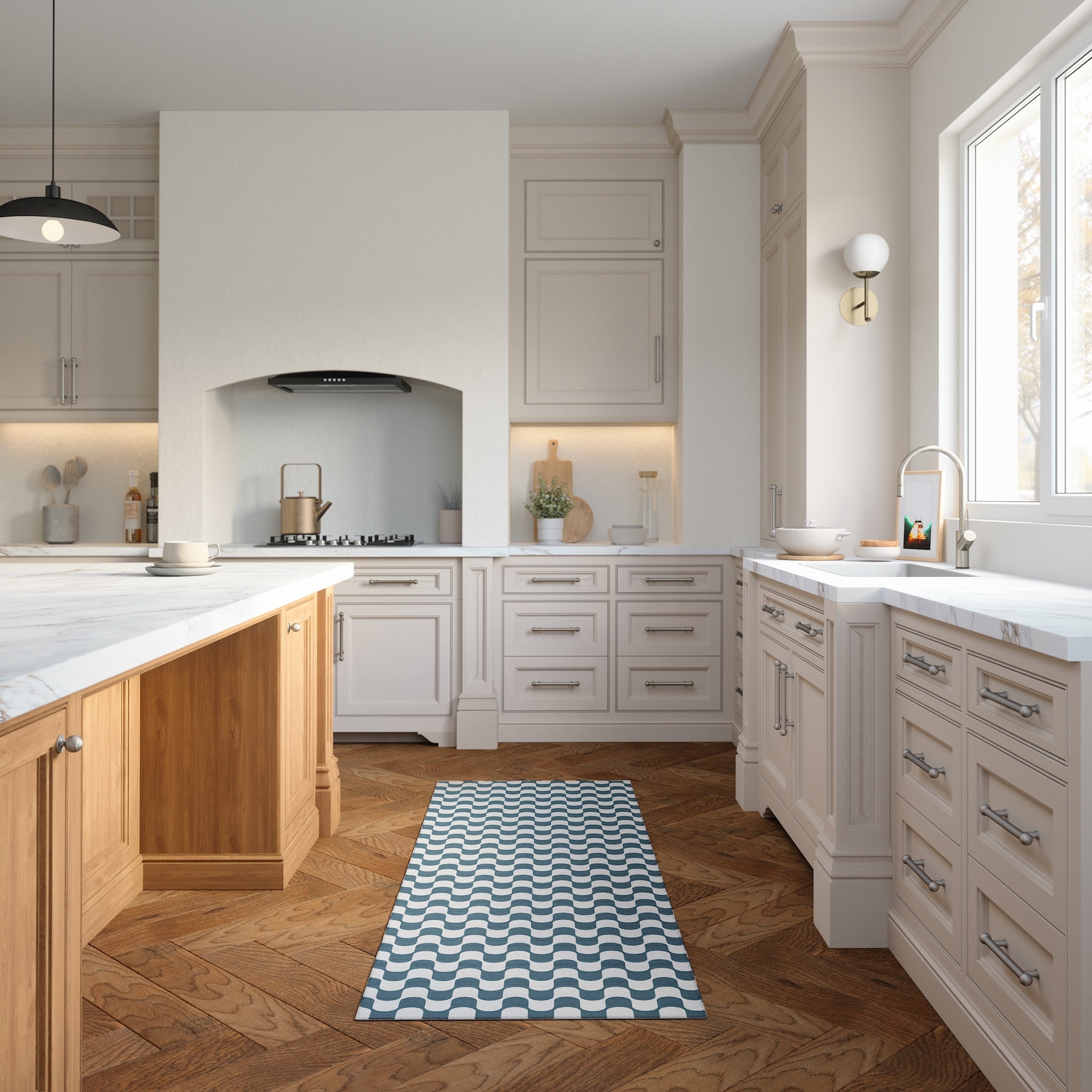
In narrow kitchens, a runner can cover the central walkway and provide comfort across a larger area. The rug should not block doors, appliances, or cabinets.
A suitable amount of floor space should remain visible around the rug to prevent the kitchen from appearing crowded.
Consider Safety Features
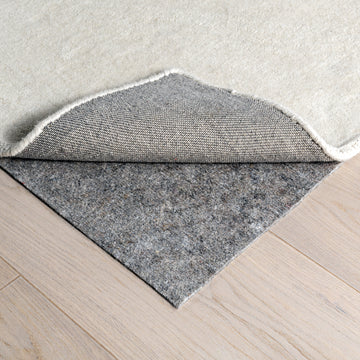
Kitchen rugs should remain stable during use. A rug that slides or curls at the edges may create a tripping risk. Choose a rug with a non-slip backing or place a suitable rug pad underneath it.
The rug should also lie flat and have a low profile, particularly in areas close to doors and frequently used cabinets.
Best Rugs for Living Rooms
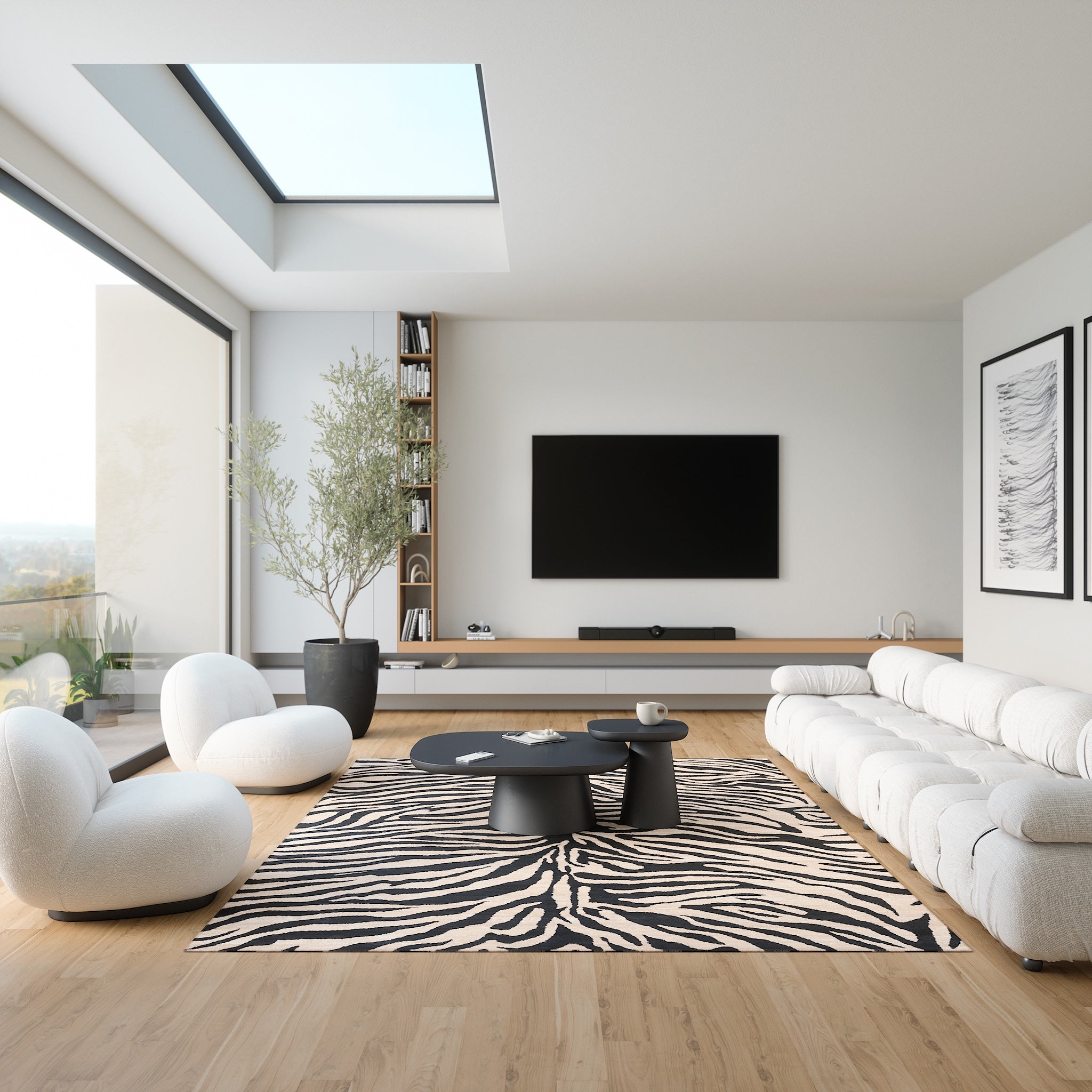
Living-room rugs are commonly used to bring furniture together and create a more organised layout. The rug should be large enough to connect the main seating pieces.
In many arrangements, the front legs of the sofa and chairs should rest on the rug. In a larger room, all furniture legs may be placed fully on the rug.
Select a Comfortable Texture
Living rooms generally allow more flexibility in texture and pile height than kitchens or hallways. Wool rugs offer warmth and durability, while synthetic rugs may be easier to maintain.
Medium-pile rugs provide comfort without being difficult to clean. Very thick rugs may feel soft but can require more regular maintenance.
Coordinate Colours and Patterns
A rug does not need to match every item in the room. Instead, it can include colours that connect with cushions, curtains, furniture, or wall décor.
Neutral rugs can create a calm appearance, while patterned rugs may add visual interest. In rooms with detailed furniture or wallpaper, a simpler rug may provide better balance.
Using Runner Rugs in Hallways and Narrow Spaces
Runner rugs are long, narrow rugs designed for corridors, kitchens, entrances, and other limited-width areas. They can make transitional spaces feel more complete while protecting the floor from frequent use.
Measure the Hallway Carefully
A runner should not cover the full width of a hallway. Leaving visible flooring on both sides creates a balanced appearance and helps the runner fit the space properly.
The runner should also leave some space at both ends of the hallway. Before purchasing, measure the full length and width of the area and consider any nearby doors.
Choose Durable Fibres
Hallways experience repeated foot traffic, so runner rugs should be made from durable materials. Wool, nylon, polypropylene, and flatwoven fabrics are commonly used in busy areas.
A patterned runner may help conceal minor marks and dust between cleanings. Darker shades can also be practical, although they may show light-coloured debris more clearly.
Rugs for Dining Rooms and Bedrooms
Dining-room rugs should extend beyond the table so that chairs remain on the rug when pulled out. A rug that is too small may cause chair legs to catch on the edges.
Flatwoven or low-pile rugs are practical under dining tables because they allow chairs to move more easily and are simpler to clean.
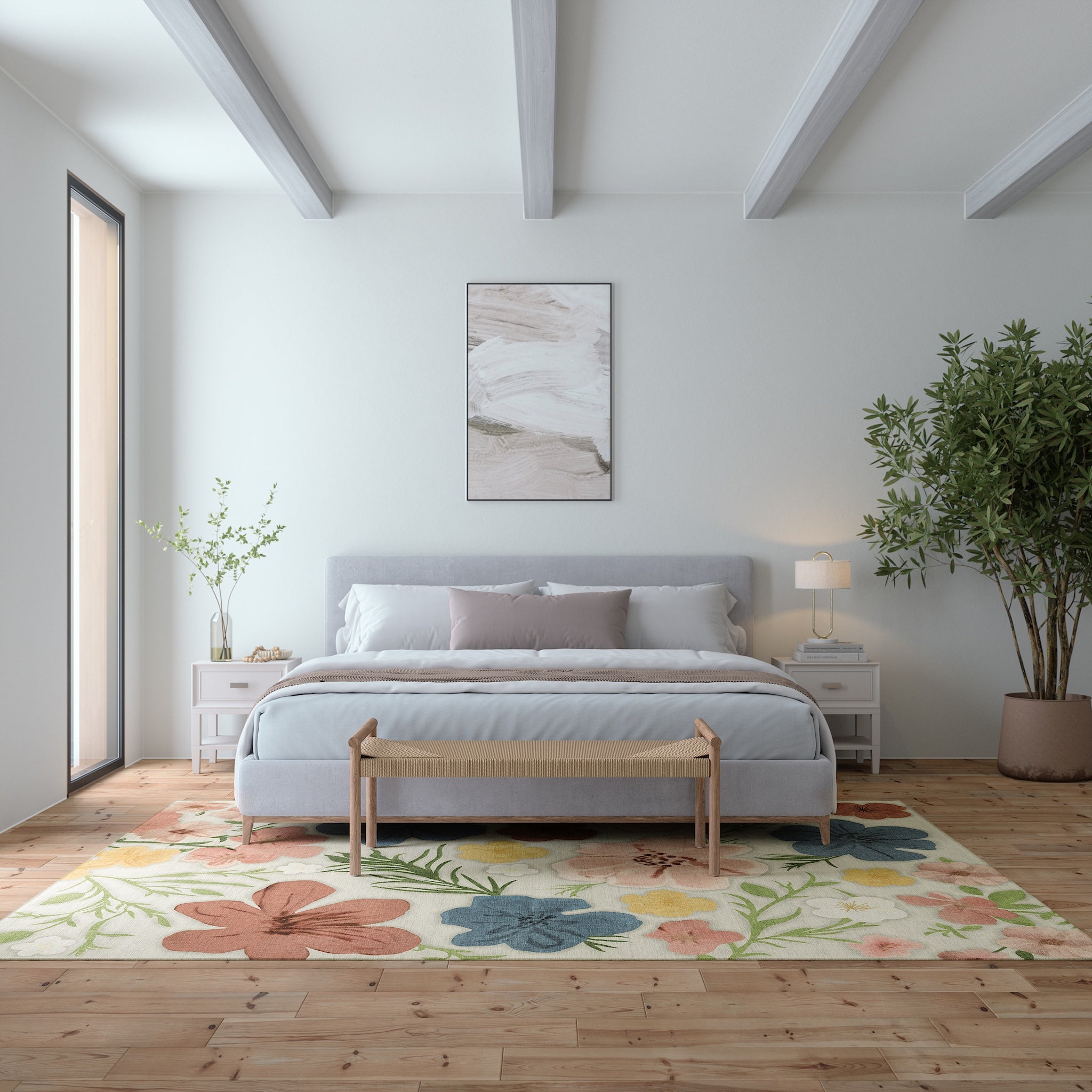
In bedrooms, rugs can add softness and warmth. A large rug may be positioned under the bed, while smaller rugs can be placed on either side. The rug should extend far enough beyond the bed to provide a comfortable surface when standing.

How to Maintain Rugs Properly
Regular maintenance can help rugs retain their appearance and structure. Vacuum rugs according to the material and pile type. High-suction settings may not be suitable for delicate or lightweight rugs.
Spills should be treated promptly using cleaning methods recommended for the rug material. Avoid rubbing stains, as this may spread the liquid or damage the fibres.
Rotate rugs periodically to encourage even wear, especially in areas exposed to sunlight or heavy foot traffic. Always follow the manufacturer’s washing and care instructions.
Conclusion
The right rug can improve comfort, protect flooring, and support the overall layout of a room. Kitchen rugs should be washable and slip-resistant, while living room and bedroom rugs can place greater emphasis on comfort and design.
Runner rugs are particularly useful for hallways, narrow kitchens, and entrances where standard rug sizes may not fit. By considering dimensions, materials, maintenance, and placement, homeowners can choose rugs that remain practical and visually suitable for everyday use.