


Cabin and Lodge Rugs: How to Choose for a Luxe Mountain Home
A mountain home should feel warm, inviting, and connected to its natural surroundings. From wooden beams and stone fireplaces to comfortable furniture and scenic views, every design element contributes to its character. Rugs play an important role in bringing these features together, adding softness, warmth, colour, and texture to different living spaces.
Choosing the right rug requires balancing appearance with practicality. Mountain homes often experience muddy footwear, changing weather, and heavy foot traffic, particularly during winter and outdoor activities. The ideal rug should complement the interior design while remaining durable enough for everyday use. Understanding materials, colours, patterns, sizes, and placement makes it easier to create a comfortable and refined retreat.
1. Choose Rug Materials That Suit Mountain Living
Material is one of the most important considerations when selecting cabin and lodge rugs. The right choice depends on the room's purpose, the amount of foot traffic, and the level of maintenance you prefer.
Wool Rugs for Natural Warmth
Wool rugs are a popular choice for mountain homes because they offer natural insulation, a soft texture, and lasting durability. Their substantial feel works particularly well in living rooms, bedrooms, and reading areas. Wool also complements natural materials such as timber, stone, leather, and linen.
For a luxurious appearance, consider a handwoven wool rug with a subtle pattern or textured finish. Regular vacuuming and prompt attention to spills help maintain its appearance.
Synthetic Rugs for High-Traffic Areas
Synthetic rugs made from materials such as polypropylene can be practical for entryways, mudrooms, and family spaces. Many options resist stains and are relatively easy to clean, making them suitable for areas exposed to dirt and moisture.
Check the manufacturer's care instructions before purchasing, particularly if the rug will be used near an exterior entrance.
Natural Fibre Rugs for Rustic Interiors
Jute and sisal rugs introduce an earthy texture that suits rustic and contemporary mountain interiors. Their neutral appearance works well beneath wooden furniture and alongside natural stone.
However, many natural fibre rugs are less suitable for persistently damp areas. Use them in dry spaces and consider a more moisture-resistant alternative for entrances or rooms where wet boots are common.

2. Select Colours That Complement the Mountain Setting
The colours of your rugs should support the surrounding landscape and interior finishes. Earthy shades, muted greens, warm browns, charcoal, cream, and soft beige create a natural foundation for mountain-inspired rooms.
For a traditional lodge, consider deep red, forest green, navy, or warm rust. These colours complement dark timber, leather seating, and stone fireplaces. In a contemporary mountain home, ivory, taupe, grey, and understated geometric patterns can create a lighter, more open atmosphere.
Consider the colour of your flooring before making a decision. A light rug can brighten dark wood floors, while a darker design can provide contrast against pale timber. If your furniture already features strong colours or patterns, choose a rug with a simpler design to maintain visual balance.
3. Find Patterns That Reflect Your Interior Style
Patterns help establish the character of a room. Traditional cabin interiors often feature plaid, stripes, geometric motifs, and nature-inspired designs. These patterns create a familiar lodge atmosphere without requiring extensive decoration.
For a more refined look, consider Persian-inspired motifs, distressed traditional designs, or understated abstract patterns. These styles can introduce detail while maintaining a sophisticated appearance.
Balance Bold Patterns with Simple Furniture
If your rug features a prominent pattern, keep nearby upholstery and accessories relatively restrained. Alternatively, a neutral rug can balance patterned curtains, decorative cushions, or textured throws.
The goal is to create a coordinated interior rather than having every element compete for attention.
4. Choose the Correct Rug Size for Each Room
A rug should fit the room's proportions and relate appropriately to the furniture. A rug that is too small can make a spacious mountain living room feel disconnected, while an oversized rug may overwhelm a compact bedroom.
In living rooms, choose a size that allows the front legs of sofas and armchairs to rest on the rug. For larger seating arrangements, a rug that accommodates all the furniture legs can create a more unified layout.
In bedrooms, place a sufficiently large rug beneath the bed so that a comfortable area extends beyond the sides and foot. Smaller rugs beside the bed are another option when a large design is impractical.
For dining areas, ensure the rug extends beyond the table enough for chairs to remain on the rug when pulled out.
5. Place Rugs Strategically Throughout the Home
Thoughtful placement improves both comfort and functionality.
-
Entryways: Choose durable, easy-to-clean rugs that help manage dirt brought indoors.
-
Living rooms: Position rugs beneath or around the main seating arrangement to define the gathering area.
-
Bedrooms: Use soft rugs to provide warmth underfoot on cold mornings.
-
Hallways: Select narrow runners that protect frequently used walking paths.
-
Reading nooks: Add a small textured rug beneath an armchair to create a comfortable retreat.
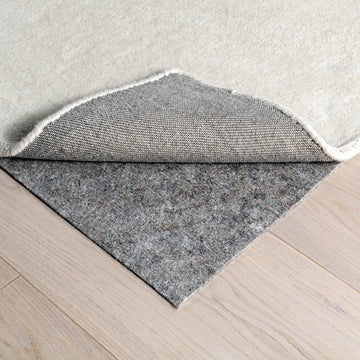
Use suitable rug pads to improve stability, protect flooring, and help prevent slipping. In homes with fireplaces or wood-burning stoves, follow appropriate clearance and fire-safety requirements when positioning rugs.
6. Maintain Your Rugs for Long-Term Use
Regular maintenance helps preserve the appearance and lifespan of cabin and lodge rugs. Vacuum according to the material's care requirements, rotate rugs periodically to distribute wear, and address spills promptly.
During snowy or rainy seasons, use designated boot trays and entry mats to reduce the amount of moisture and debris reaching interior rugs. Professional cleaning may be appropriate for wool, delicate fibres, or valuable decorative pieces.
Always follow the manufacturer's cleaning recommendations, as different fibres respond differently to water, detergents, and cleaning methods.
Conclusion
Choosing the right rug can transform a mountain property into a comfortable and well-designed retreat. By considering durability, material, colour, pattern, size, and placement, you can create interiors that feel luxurious without sacrificing practicality.
When exploring Cabin and Lodge Rug How to Choose for a Luxe Mountain Home, focus on designs that complement natural surroundings while meeting the needs of everyday living. With carefully selected rugs, your mountain home can feel warm, cohesive, and welcoming throughout every season.


