


How To Layer Rugs? Best Tips & Tricks By Interior Designers
Layering rugs is a practical way to add depth, texture, and visual structure to any space. Whether you are working with a large living room or a compact bedroom, the right combination of rugs can improve comfort while defining functional zones. This guide explains How To Layer Rugs Best Tips & Tricks By Interior Designers in a structured and easy-to-follow format.
What Does Layering Rugs Mean?
Layering rugs involves placing one rug over another to create contrast, enhance texture, and improve layout balance. It is commonly used in modern and traditional interiors to break monotony and add dimension without making permanent design changes.
Interior designers often use this approach to:
-
Define seating or dining areas
-
Add warmth to hard flooring
-
Highlight furniture arrangements
-
Introduce patterns without overwhelming the space
Why Layer Rugs in Your Space?
Improves Visual Depth
Layered rugs create multiple levels of texture, making a room feel more complete rather than flat.
Enhances Comfort
Adding an extra rug increases cushioning, especially in high-use areas like living rooms and bedrooms.
Helps Define Zones
In open layouts, layered rugs help separate functional areas such as seating, dining, and workspace zones.
Allows Flexible Styling
Layering gives you the flexibility to update interiors without replacing the base rug.
:max_bytes(150000):strip_icc()/things-to-think-about-when-layering-rugs-4092352-hero-29854f52ce2140608d27e9530a99eeb1.jpg)
How To Choose Rugs for Layering
Start with a neutral base rug.
The base rug should be larger and neutral in tone. Materials like jute, wool, or cotton work well because they provide a stable foundation.
Add a Statement Top Rug
The top rug should contrast with the base rug in terms of pattern, color, or texture. This creates a clear visual hierarchy.
Focus on Size Proportion
The bottom rug should extend beyond the edges of the top rug. A common rule is to leave at least 6–12 inches visible around the top layer.
Mix Textures Carefully
Combining different materials such as flatweave with plush or natural fiber rugs creates a balanced look.
Placement Techniques for Layered Rugs
Living Room Setup
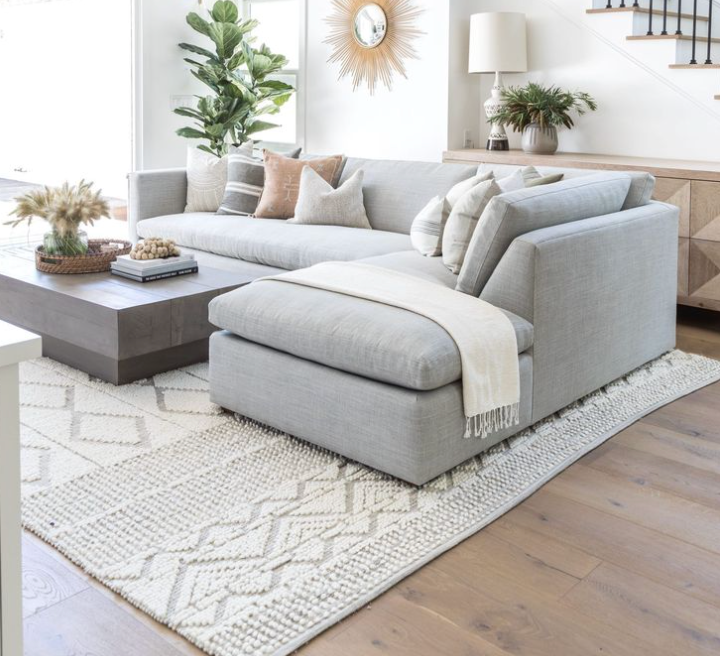
Place a large base rug under the entire seating arrangement. Then position a smaller patterned rug under the coffee table to create a focal point.
Bedroom Arrangement
Use a large rug under the bed and layer a smaller rug across the foot or side. This adds warmth and breaks uniformity.
Dining Area Styling
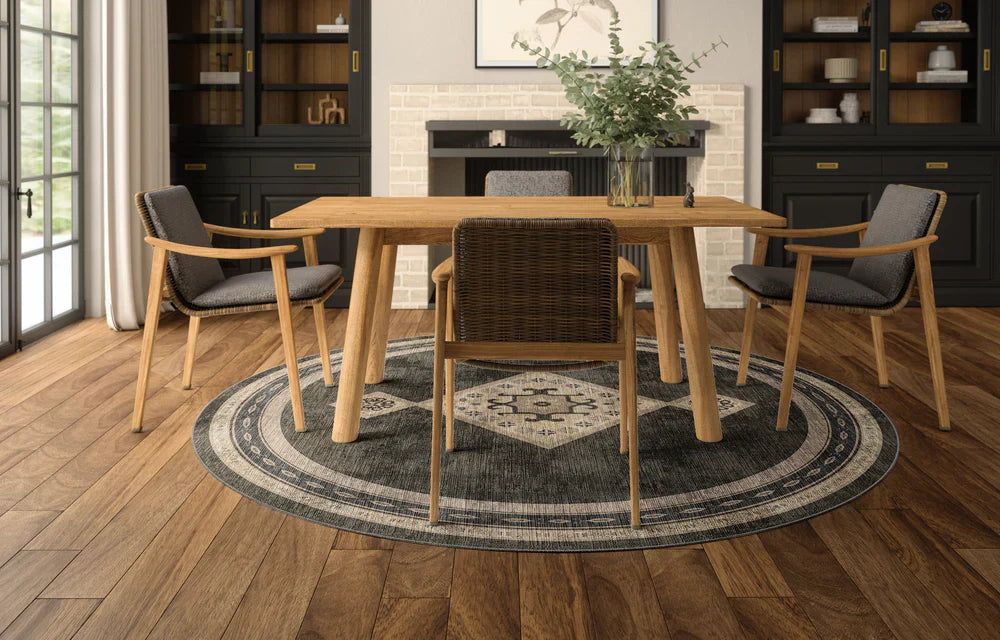
Layering in dining areas should be minimal. Use a flat base rug and avoid thick top layers to maintain stability for chairs.
Entryway Styling
In entryways, a durable base rug paired with a smaller decorative rug can create a welcoming layout without clutter.
Color and Pattern Coordination
Use complementary colors.
Choose colors that work together rather than competing. Neutral bases with patterned top rugs often work well.
Balance Bold and Subtle
If the top rug has strong patterns, keep the base rug simple. This avoids visual overload.
Maintain Consistency
Stick to a consistent palette across the room to ensure the layered rugs blend with furniture and decor.
Practical Tips from Interior Designers
Keep the Base Rug Durable
Choose materials that can handle daily wear, especially in high-traffic zones.
Secure the Layers
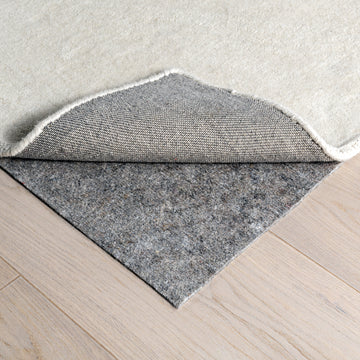
Use rug pads or anti-slip mats to keep both layers in place.
Experiment with Angles
Instead of placing rugs parallel, try slight angles for a more relaxed layout.
Update Seasonally
Switch the top rug based on seasons to refresh the space without major changes.
When Should You Layer Rugs?
Layering works well in:
-
Large living rooms needing visual structure
-
Minimal interiors that require texture
-
Rental spaces where permanent changes are limited
-
Homes with open floor plans
However, avoid layering in very small spaces where it may create a crowded appearance.
Final Thoughts
Understanding How To Layer Rugs Best Tips & Tricks By Interior Designers helps you create interiors that are both functional and visually structured. The key lies in selecting the right base, maintaining proportion, and ensuring balance between textures and patterns. With careful placement and coordination, layered rugs can improve both comfort and layout without complicating the design.