

The Nature of Home: A Deep Dive into Biophilic Design Rugs
Biophilic design has become an important part of modern interior planning because it reconnects indoor spaces with natural elements. As people spend more time inside homes, offices, and apartments, the need for calming, grounded, and nature-inspired interiors has increased. One simple yet effective way to introduce this concept is through rugs.
The Nature of Home: A Deep Dive into Biophilic Design Rugs focuses on how rugs can bring the feeling of nature into everyday living spaces. These rugs are not just decorative pieces. They help define a room’s mood through natural textures, earthy colours, organic patterns, and materials that feel closer to the outdoors.
What Are Biophilic Design Rugs?
Biophilic design rugs are floor coverings inspired by nature. They often use colours, shapes, textures, and materials that reflect natural landscapes such as forests, deserts, rivers, stones, leaves, and soil. The goal is to make indoor spaces feel warmer, calmer, and more connected to the natural world.
Unlike highly synthetic or overly decorative rugs, biophilic rugs usually have a softer visual language. They may include muted greens, browns, beige tones, clay shades, stone greys, or botanical motifs. Some rugs may also use handwoven textures, uneven patterns, or natural fibres to create a more organic appearance.
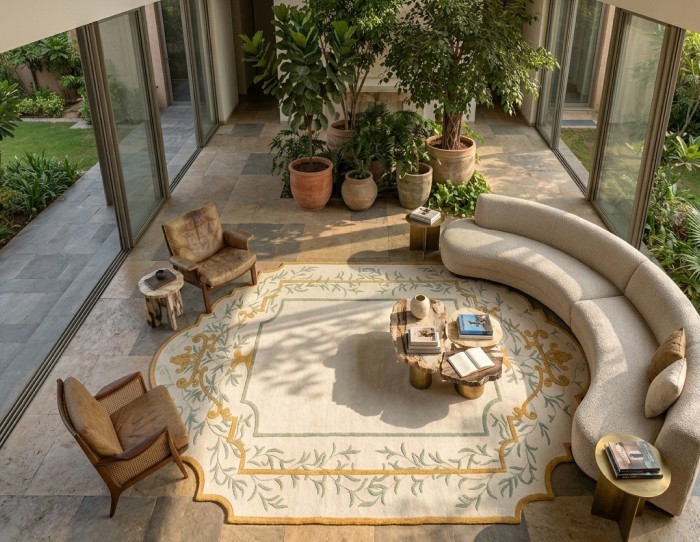
Why Rugs Matter in Biophilic Interiors
Rugs play an important role in interior design because they cover a large visual surface. A well-chosen rug can influence how a room feels immediately. In biophilic interiors, rugs help soften hard flooring, add warmth, reduce visual sharpness, and create a sense of comfort.
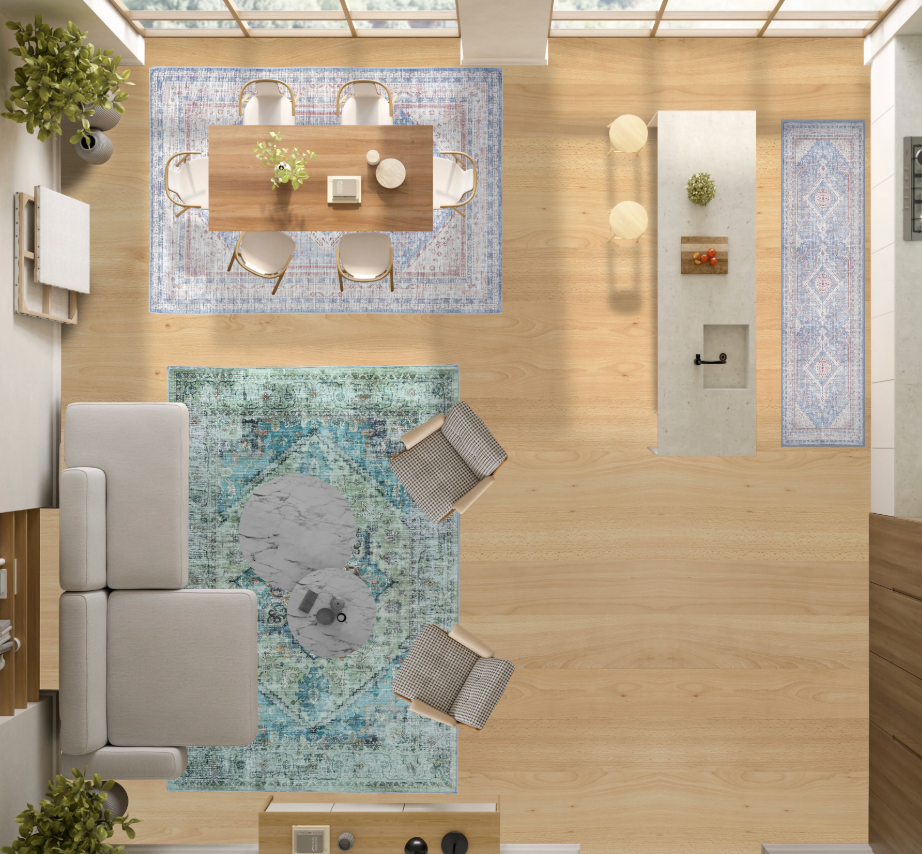
They also support zoning in open spaces. For example, a natural fibre rug under a seating area can make a living room feel more settled. A soft botanical-patterned rug in a bedroom can create a peaceful atmosphere. In workspaces, rugs with earthy tones can reduce the coldness of modern furniture and technology.
Key Features of Biophilic Design Rugs
Biophilic rugs are designed around natural inspiration. Their appeal comes from subtle details rather than loud patterns.
Natural Materials
Materials are one of the most important features of biophilic design rugs. Wool, jute, sisal, cotton, bamboo silk, and hemp are commonly used because they offer texture and comfort. These materials also bring a tactile quality that synthetic rugs often lack.
Wool rugs feel soft and durable, making them suitable for living rooms and bedrooms. Jute and sisal rugs offer a raw, earthy look that works well in casual spaces. Cotton rugs are lighter and easier to move, making them useful for relaxed interiors.
Earth-Inspired Colours
Colour selection is central to biophilic design. Rugs in this category often use shades found in nature. Common options include olive green, moss green, sand, terracotta, warm brown, cream, charcoal, and soft grey.
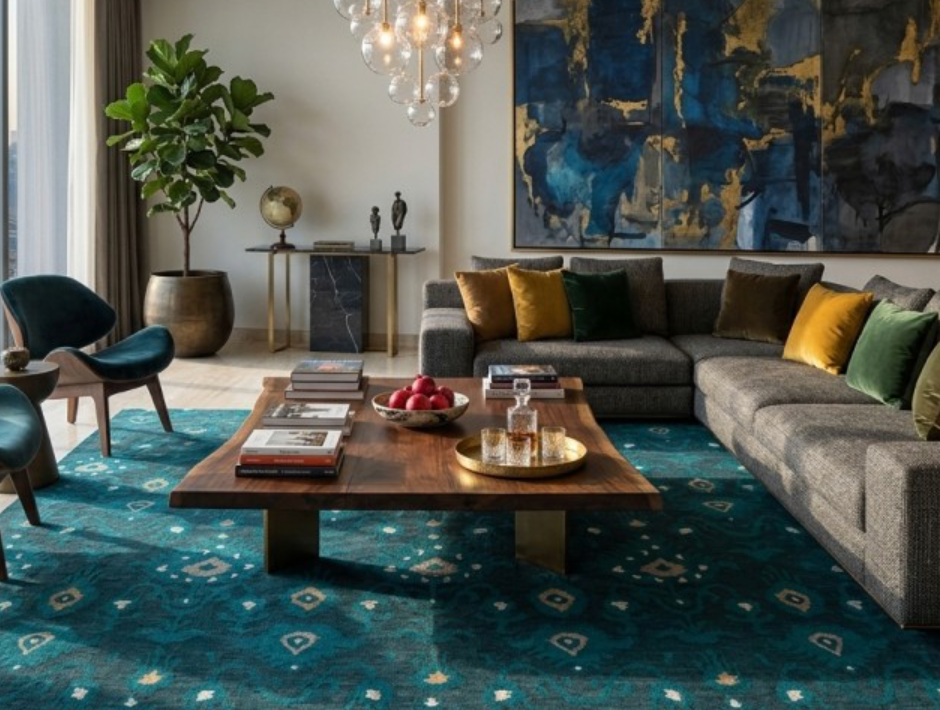
These tones help create a balanced room. They also pair well with wooden furniture, indoor plants, stone surfaces, linen curtains, and neutral walls. The result is a space that feels calm without appearing plain.
Organic Patterns
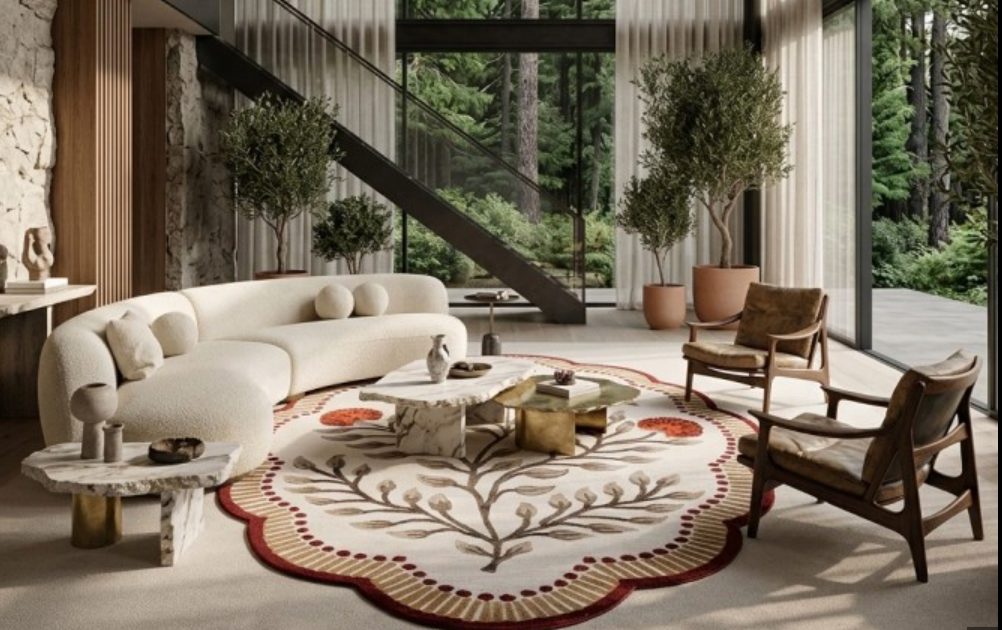
Biophilic rugs often avoid rigid, overly symmetrical designs. Instead, they use patterns inspired by leaves, water movement, tree bark, stone formations, or natural gradients. These patterns feel less formal and more relaxed.
Abstract designs can also work well when they reflect natural movement. A rug with flowing lines may remind people of rivers or wind patterns. A textured rug with uneven tones can resemble soil, sand, or rock surfaces.
Benefits of Using Biophilic Rugs at Home
Biophilic design rugs offer both visual and practical benefits. They can improve the look of a room while also supporting comfort and usability.
Creates a Calm Environment
Natural colours and textures can make a room feel more peaceful. A rug with soft green or beige tones can reduce visual stress and help create a more restful setting. This is especially useful in bedrooms, reading corners, and living rooms.
Adds Warmth and Texture
Modern homes often include hard surfaces such as tiles, concrete, glass, and metal. While these materials are practical, they can sometimes feel cold. A biophilic rug adds softness and warmth underfoot, making the space feel more inviting.
Supports a Natural Design Theme
If your home already includes plants, wooden furniture, clay décor, or neutral walls, a biophilic rug can complete the look. It acts as a connecting element between furniture, flooring, and accessories.
How to Choose the Right Biophilic Design Rug
Choosing the right rug depends on the room, lifestyle, and design goal.
Consider the Room Function
For high-traffic areas such as living rooms and hallways, choose durable materials like wool, jute, or blended natural fibres. For bedrooms, softer rugs are better because comfort matters more. For dining areas, select rugs that are easy to clean and flat enough for chairs to move smoothly.
Match the Colour Palette
A rug should support the room’s existing colour scheme. If the space already has many plants, a neutral rug can balance the greenery. If the room feels too plain, a rug with botanical or earthy patterns can add interest.
Focus on Texture
Texture is important in biophilic design. A woven, looped, or hand-knotted rug can add depth without making the room look busy. Natural irregularities in texture can make the space feel more authentic and relaxed.
Where to Use Biophilic Design Rugs
Biophilic rugs can work in many areas of the home. In the living room, they create a grounded seating zone. In the bedroom, they add softness and comfort. In a home office, they can make the space feel less formal and more balanced. Even entryways can benefit from natural fibre rugs that give guests a warm first impression.
Final Thoughts
Biophilic design is about creating interiors that feel closer to nature. Rugs are one of the easiest ways to bring this idea into a home without changing the entire space. Through natural materials, earthy colours, organic patterns, and soft textures, biophilic rugs can make rooms feel more comfortable, balanced, and visually connected to the outdoors.
The Nature of Home: A Deep Dive into Biophilic Design Rugs shows that a rug is more than a floor covering. It can shape the emotional quality of a room and support a healthier, more natural interior style.