


Carpet Buying Guide on How to Choose the Right Carpet
Choosing a carpet is a long-term decision that influences comfort, design, insulation, and maintenance requirements. The right carpet enhances the appearance of a room while also improving warmth and sound absorption. However, with multiple materials, pile styles, and pricing options available, selecting the ideal one requires careful evaluation. explains what to consider before making a purchase, including fiber type, durability, room suitability, budget, and maintenance needs.
Understand the Purpose of the Room
Before focusing on colors or patterns, evaluate where the carpet will be installed.
High-Traffic Areas
Living rooms, hallways, and staircases experience frequent foot movement. These areas require durable fibers and low-pile or tightly woven carpets that resist flattening.
Bedrooms
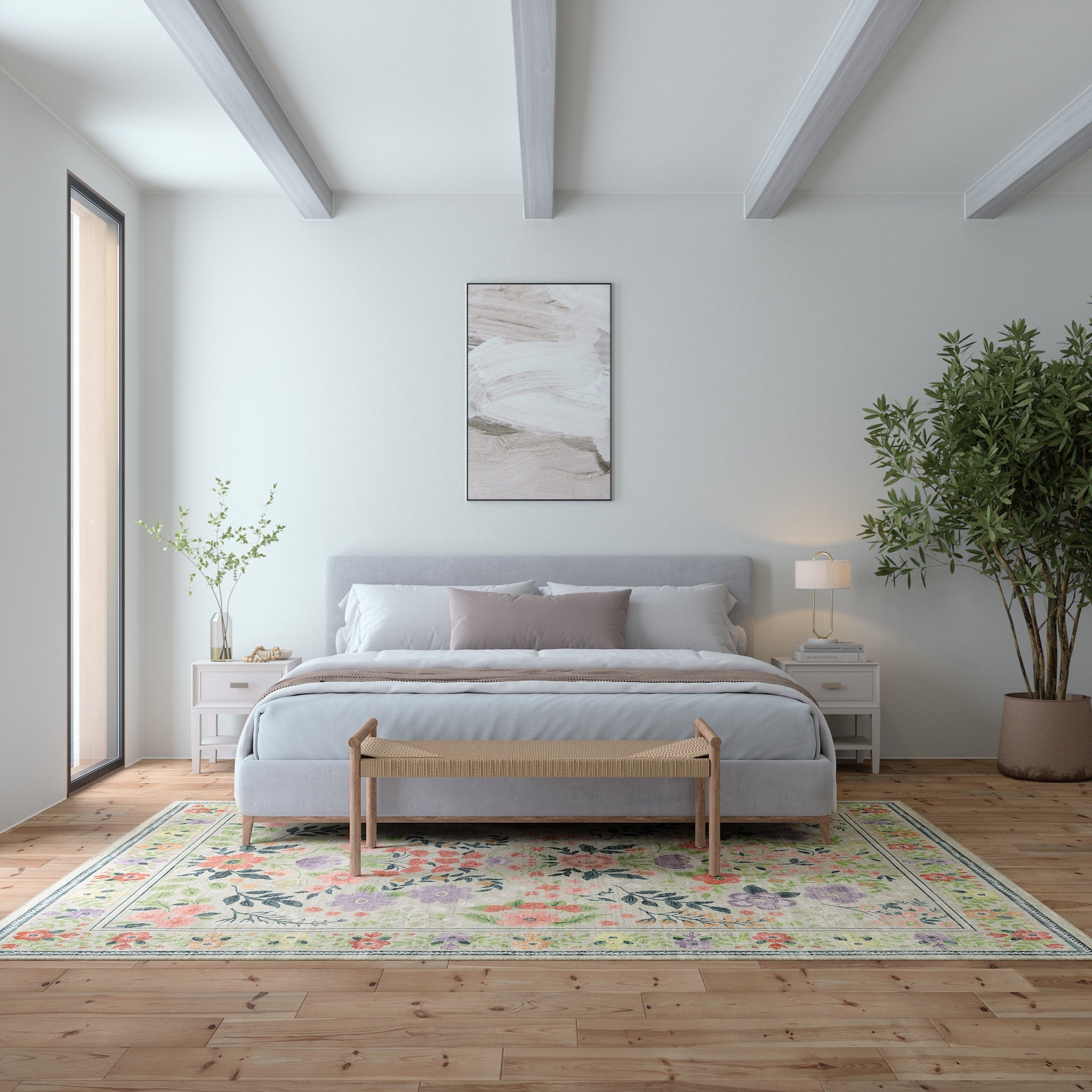
Bedrooms typically have lighter foot traffic. Softer, plush carpets provide comfort underfoot and contribute to a relaxed setting.
Home Offices
For workspaces, opt for stain-resistant materials that can withstand rolling chairs and daily use.
Choosing the right carpet based on usage ensures long-term performance and reduces replacement costs.
Select the Right Carpet Material
The fiber material determines durability, texture, stain resistance, and cost. Understanding the differences helps you make a practical decision.
Nylon
Nylon is one of the most durable synthetic fibers. It resists wear and maintains shape over time. It is suitable for high-traffic areas and offers good stain resistance when treated.
Polyester
Polyester carpets provide vibrant color options and a soft feel. They are budget-friendly but may not perform as well in heavily used spaces.
Wool
Wool is a natural fiber known for comfort and insulation. It is durable and environmentally friendly but often more expensive than synthetic alternatives.
Polypropylene (Olefin)
Polypropylene is moisture-resistant and suitable for basements or outdoor spaces. However, it may flatten under heavy furniture.
In this Carpet Buying Guide on How to Choose the Right Carpet?, fiber selection remains one of the most important steps because it directly affects lifespan and maintenance.
Choose the Right Pile Type
Carpet pile refers to how the fibers are attached and finished. Pile type influences texture and durability.
Cut Pile
Cut pile carpets have fibers cut at the ends, giving them a soft and smooth texture. Plush and Saxony carpets fall into this category and are ideal for bedrooms.
Loop Pile
Loop pile carpets keep the fibers uncut. They are durable and resist crushing, making them suitable for high-traffic areas.
Cut and Loop
This style combines both cut and loop fibers to create patterns and textures. It adds visual depth while maintaining moderate durability.
Understanding pile construction ensures that comfort and practicality are balanced correctly.
Consider Carpet Density and Weight
Density refers to how closely packed the fibers are. Higher density carpets generally last longer and maintain their shape. While heavier carpets often indicate better quality, checking fiber twist and backing strength is equally important.
When comparing options, do not rely solely on thickness. A dense carpet with shorter fibers may outperform a thick but loosely constructed one.
Evaluate Color and Design Choices
Carpet color significantly impacts the appearance of a room.
-
Light shades create a sense of openness but may show stains more easily.
-
Dark tones conceal marks and are suitable for busy households.
-
Neutral colors provide flexibility for future interior changes.
-
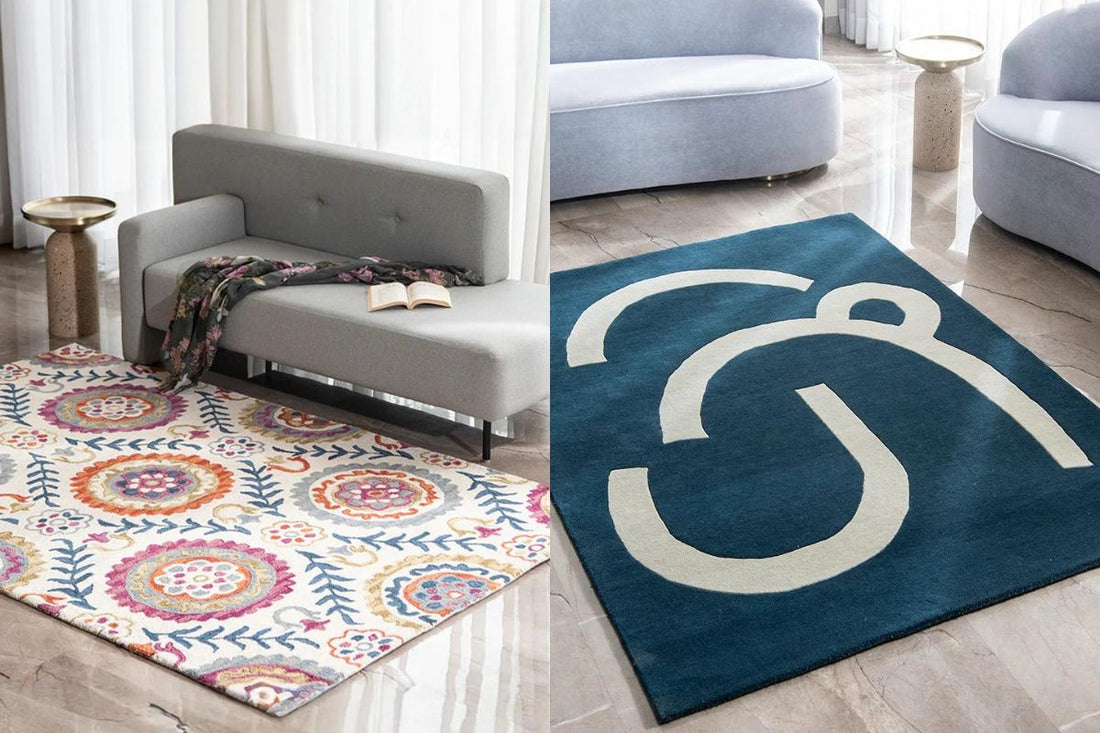
Patterned carpets help hide wear and footprints.
Always request samples and observe them under natural and artificial lighting before making a final decision.
Check Stain Resistance and Maintenance Needs
Maintenance should align with your lifestyle. Families with children or pets benefit from stain-resistant treatments. Many modern carpets come with protective coatings that prevent spills from penetrating fibers.
Regular vacuuming and periodic professional cleaning extend the carpet’s lifespan. Ask the retailer about cleaning guidelines and warranty conditions to avoid voiding coverage.
Measure the Space Accurately
Proper measurement prevents unnecessary expense. Calculate the total square footage and account for extra material required for fitting and trimming.
Professional installers can assist with measurements to minimize waste. Installation quality directly influences durability, so consider certified installers for better results.
Set a Practical Budget
Carpet pricing varies depending on material, construction, brand, and installation costs. Instead of focusing only on initial price, consider long-term value. A slightly higher investment in durable material may reduce replacement frequency.
Budget planning should include:
-
Carpet cost per square foot
-
Underlay or padding
-
Installation charges
-
Future maintenance expenses
This approach ensures financial clarity and avoids unexpected costs.
Don’t Overlook Carpet Padding
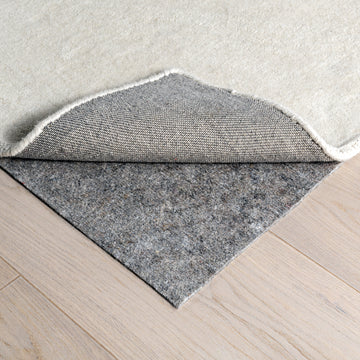
Padding enhances comfort and increases durability by absorbing impact. High-quality underlay improves insulation and reduces noise.
Selecting the correct padding thickness and density supports carpet performance and contributes to overall longevity.
Review Warranty and Manufacturer Details
Carpet warranties differ across brands. Check coverage for wear, stain resistance, and manufacturing defects. Understanding warranty terms helps protect your investment.
Request written documentation and clarify maintenance requirements to maintain warranty validity.
Conclusion
Selecting the right carpet requires attention to material, construction, room suitability, and maintenance expectations. By following this Carpet Buying Guide on How to Choose the Right Carpet, homeowners can choose options that balance durability, comfort, and budget.
A well-chosen carpet enhances both function and appearance while offering long-term value. Careful planning, product comparison, and professional installation contribute to satisfactory results that last for years.